
Drug Crime Defense Lawyers in Wichita
Connect with skilled drug crime defense lawyers in Wichita, KS. Dedicated Sedgwick County attorneys fight narcotics charges, challenge searches, and protect your freedom. Retaining qualified local counsel ensures aggressive constitutional defense against unlawful vehicle stops and provides access to SB 123 treatment diversion programs before trial dockets are set. Explore our verified directory below to schedule an immediate confidential consultation.
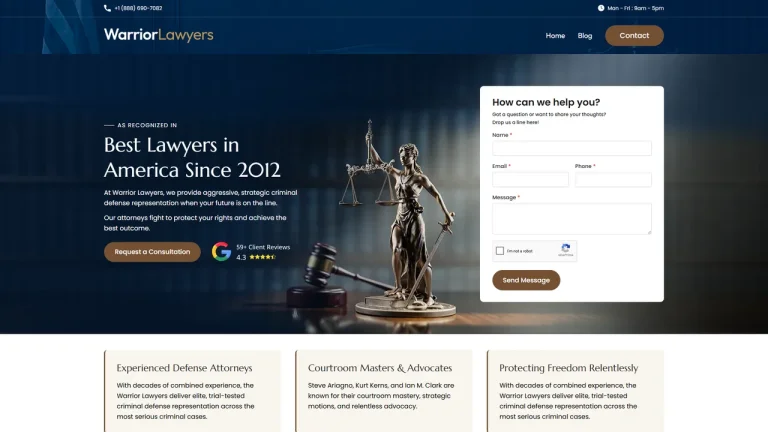
Warrior Lawyers - Wichita, KS
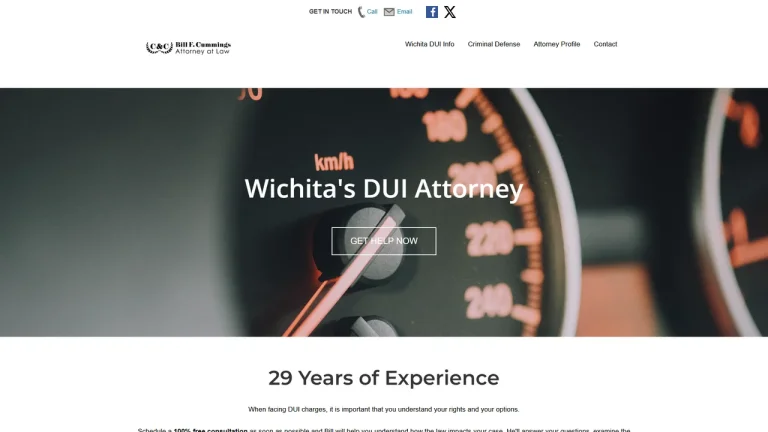
Bill F. Cummings - Wichita, KS
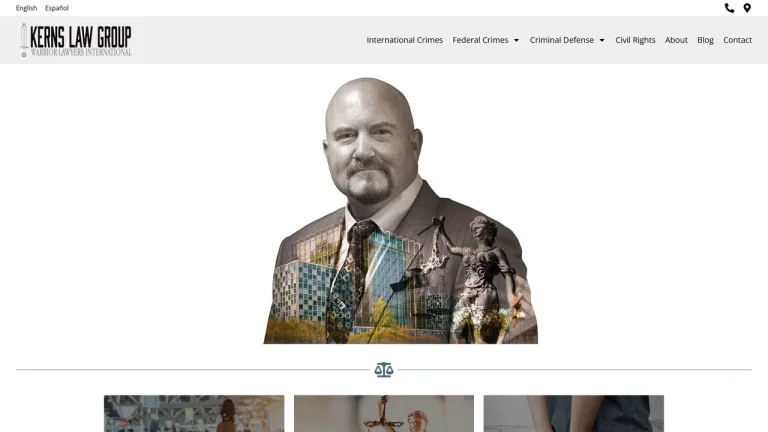
Kerns Law Group - Wichita, KS

James R. Pratt Attorney - Wichita, KS

Conlee Schmidt & Emerson - Wichita, KS
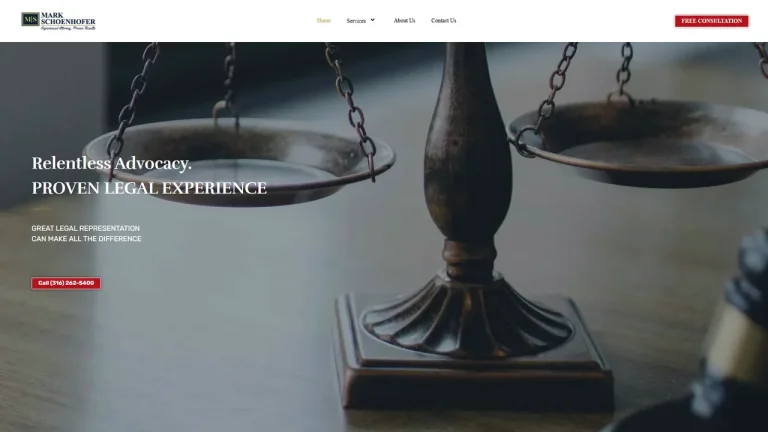
Law Office of Mark T. Schoenhofer - Wichita, KS

McConnell Law Firm - Wichita, KS
O'Hara & O'Hara Law Offices, LLC - Wichita, KS
Weiser Law Group - Wichita, KS
Hulnick, Stang, Gering & Leavitt, P.A. - Wichita, KS
Federal Public Defender - Wichita, KS
Nika Cummings, Attorney at Law - Wichita, KS

Triad Legal - Wichita, KS

Davis Marc C - Wichita, KS
Beall & Mitchell LLC - Wichita, KS
Narcotics Defense in Wichita and Sedgwick County Courts
Facing state narcotics charges in Wichita places your liberty, employment, and future at immediate risk. Drug crime arrests conducted by the Wichita Police Department or the Sedgwick County Sheriff's Office are prosecuted in the 18th Judicial District Court at the Sedgwick County Courthouse on North Main Street, or in the Wichita Municipal Court on North Market Street for city ordinance infractions. Retaining an experienced criminal defense lawyer who regularly advocates before Sedgwick County judges provides an indispensable procedural advantage.
Controlled substance allegations in Wichita range from misdemeanor marijuana possession in neighborhoods like Delano and College Hill to high-level felony distribution charges along transit corridors such as I-35 and US-54 (Kellogg Avenue). Following an arrest, individuals are processed through the Sedgwick County Adult Detention Facility on West 2nd Street. Securing legal counsel immediately following booking allows your attorney to contest bail conditions, preserve video evidence, and shield you from coercive police interrogations.
Effective drug crime defense centers on rigorous constitutional challenges. Rather than accepting an early plea offer, an experienced Wichita drug defense attorney investigates the legality of the initial traffic stop, questions drug-detection canine alerts, and challenges the validity of search warrants, frequently securing charge reductions, diversion, or case dismissals outside the courtroom.
Drug Defense Representation Fees and Case Estimates
| Case Scenario | Fee Structure | Estimated Cost (USD) | Key Cost Determinants |
|---|---|---|---|
| Misdemeanor Possession & Drug Paraphernalia | Flat Legal Fee | $1,500 - $3,500 | Municipal versus district court docket, first-offender diversion eligibility, search validity |
| Felony Controlled Substance Possession (Opiates/Stimulants) | Hourly or Staged Flat Fee | $3,500 - $8,500 | KBI lab testing verification, SB 123 program eligibility, preliminary hearing litigation |
| Felony Distribution / Intent to Distribute (Levels 1-4) | Staged Retainer | $7,500 - $25,000+ | Drug quantity thresholds on Kansas grid, confidential informants, wiretap evidence |
| Motion to Suppress Evidence & Fourth Amendment Hearings | Flat Fee or Hourly | $2,500 - $7,000 | Illegal search arguments, prolonged traffic stop duration, canine sniff challenges |
Critical Kansas Drug Statutes & Mandatory Treatment Rules
Controlled substances in Kansas are strictly regulated under the Kansas Uniform Controlled Substances Act. Simple possession of narcotics or opiates is charged as a felony under Kan. Stat. Ann. § 21-5706, while distribution or possession with intent to distribute is penalized according to strict drug quantity thresholds codified at Kan. Stat. Ann. § 21-5705.
Kansas sentencing law provides alternative avenues for nonviolent drug offenders. Under the landmark Senate Bill 123 alternative sentencing statute, Kan. Stat. Ann. § 21-6824, eligible individuals convicted of simple drug possession receive community-based certified substance abuse treatment rather than prison incarceration. Furthermore, criminal prosecutions must comply with the statute of limitations under Kan. Stat. Ann. § 21-5107, which imposes an 18-month deadline for misdemeanors and five years for felonies. Eligible defendants may also apply for pretrial diversion under Kan. Stat. Ann. § 22-2907, which must generally be submitted prior to the preliminary hearing.
Small Claims Limitations vs. Professional Criminal Defense
The Kansas Small Claims Procedure Act, codified at Kan. Stat. Ann. § 61-2701, restricts civil claims to $4,000 pursuant to Kan. Stat. Ann. § 61-2703. While civil asset forfeiture proceedings involving seized cash or property may touch on dollar values, small claims courts have zero authority over state criminal prosecutions.
State drug convictions carry life-altering penalties, including mandatory prison terms under the Kansas drug sentencing grid, driver's license revocations, and permanent felony records that eliminate professional licensing. Attempting to navigate the criminal justice system without counsel exposes defendants to severe statutory consequences. A seasoned Wichita drug defense lawyer evaluates laboratory test results from the Kansas Bureau of Investigation (KBI), identifies Fourth Amendment search violations, and aggressively advocates for dismissals in the 18th Judicial District Court.
Red Flags to Avoid When Retaining a Wichita Drug Defense Attorney
- Guaranteed dismissal promises: Ethical attorneys cannot promise specific case outcomes or guarantee an outright dismissal under Kansas professional conduct rules.
- Pressure for immediate guilty pleas: Avoid attorneys who advise pleading guilty without obtaining and reviewing police body-worn camera footage and chemical lab reports.
- Unfamiliarity with SB 123 sentencing: Your lawyer must understand the statutory criteria governing alternative community drug treatment programs under Kansas law.
- Opaque fee structures: Ensure your retainer agreement explicitly details whether pretrial motions, suppression hearings, and trial dockets are included in the quoted fee.
Frequently Asked Questions
What is the SB 123 drug treatment program in Kansas?
Senate Bill 123 is a Kansas statutory program codified at K.S.A. 21-6824 that mandates community-based substance abuse treatment instead of prison for eligible nonviolent offenders convicted of drug possession.
Can a drug charge be dismissed if the police performed an illegal search?
Yes, if the court finds that law enforcement conducted an unlawful traffic stop, vehicle search, or home entry in violation of the Fourth Amendment, the seized narcotics can be suppressed, often forcing a dismissal.
What is the difference between simple possession and possession with intent to distribute?
Simple possession involves having drugs solely for personal use, whereas distribution charges require the state to prove an intent to sell, frequently inferred from large quantities, packaging baggies, scales, or cash.
Where are felony drug charges heard in Wichita?
All felony drug charges and state misdemeanor offenses in Wichita are filed and adjudicated at the 18th Judicial District Court inside the Sedgwick County Courthouse at 510 N. Main Street.