
IRS Dispute Lawyers in Boston
Facing federal tax enforcement in Boston demands strategic legal defense to protect your personal and corporate assets. Experienced IRS dispute attorneys halt bank levies, resolve high-stakes audits, and negotiate debt compromises directly with federal revenue officers. Review our directory below to schedule an evaluation with verified Boston federal tax lawyers.

Partners Tax & Accounting Group - Boston, MA
G. Gilbert Law Office - Boston, MA

Miner Siddall LLP - Boston, MA

The W Tax Group - Boston, MA
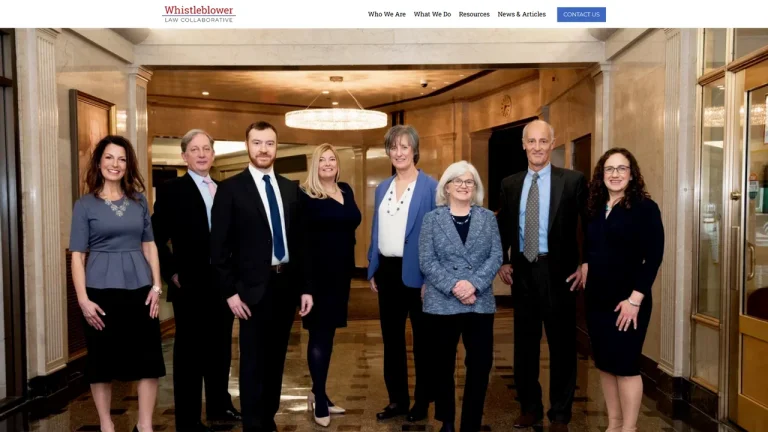
Whistleblower Law Collaborative - Boston, MA

Lovett O'Brien LLP - Boston, MA
DeFranceschi & Klemm, PC - Boston, MA
Morgan, Lewis & Bockius LLP - Boston, MA
Wakrim Law Firm - Boston, MA

Hinckley Allen - Boston, MA
Law Office of BL Hazelton - Boston, MA
Shapiro Haber & Urmy LLP - Boston, MA

Skadden, Arps, Slate, Meagher & Flom LLP - Boston, MA
Thorn Law Group - Boston, MA

McMahon & Tivnan, PC - Boston, MA

Rights Protection Law Group, PLLC - Boston, MA

JDBears Law, LLC - Boston, MA
Greater Boston Legal Services - Boston, MA

Eckert Seamans - Boston, MA
The Levy Group IRS Tax Help - Boston, MA
Navigating Federal Tax Enforcement and IRS Defense in Boston
Receiving an audit notice, formal notice of deficiency, or immediate threat of an administrative levy from the Internal Revenue Service creates immediate financial jeopardy. For individual wage earners, corporate officers, and business owners throughout Boston and Suffolk County, retaining an IRS dispute lawyer establishes a vital protective shield between you and aggressive federal revenue officers.
Federal tax controversies originating in the Greater Boston area are managed through regional IRS examination offices or transferred to the IRS Independent Office of Appeals. When administrative negotiations do not achieve resolution, legal counsel initiates judicial proceedings in the United States Tax Court-which conducts designated trial calendars in Boston-or files refund litigation in the U.S. District Court for the District of Massachusetts at the John Joseph Moakley Courthouse.
Whether you need to resolve unfiled tax returns, challenge payroll Trust Fund Recovery Penalties, or address international asset reporting disputes across the Financial District, South Boston, East Boston, or Newton, local counsel admitted to practice before federal tribunals ensures your statutory rights are asserted and financial disruptions are minimized.
Legal Fee Framework for Boston IRS Dispute Representation
| Case Scenario | Fee Structure | Estimated Cost (USD) | Key Cost Determinants |
|---|---|---|---|
| IRS Field or Office Audit Defense | Hourly Rate | $325 - $600 / hr | Complexity of returns, schedule classifications, corporate balance sheets, and substantiation documentation. |
| Offer in Compromise (OIC) Submission | Fixed Flat Fee | $3,500 - $7,500 | Reasonable Collection Potential (RCP) calculations, asset equity evaluations, and IRS Appeals negotiations. |
| Emergency Bank Levy or Wage Garnishment Release | Expedited Flat Fee or Hourly | $1,500 - $3,500 | Notice severity, immediate hardship documentation, and rapid submission of delinquent returns. |
| U.S. Tax Court Petition & Litigation | Retainer + Hourly | $5,000 - $15,000+ Retainer ($375 - $650/hr) | Drafting formal petitions, stipulation of facts, discovery motions, and trial presentation in Boston. |
Critical Legal Deadlines & Statutes in Massachusetts
Federal tax litigation adheres to strict statutory deadlines established by the Internal Revenue Code. When the IRS issues a Statutory Notice of Deficiency, the taxpayer has strictly 90 days from the mailing date to file a petition with the U.S. Tax Court under 26 U.S. Code § 6213(a). This deadline is jurisdictional and cannot be extended by federal courts under any circumstance.
Taxpayers facing enforced collection actions, such as bank levies or seizures, have 30 days following the receipt of a Final Notice of Intent to Levy to file for a Collection Due Process (CDP) Hearing pursuant to 26 U.S. Code § 6330(d). Timely filing for a CDP hearing suspends all collection actions and preserves judicial appeal rights. Under 26 U.S. Code § 6502(a), the IRS maintains a statutory 10-year Collection Statute Expiration Date (CSED) to collect assessed taxes, though certain filings can toll this period. Additionally, under 26 U.S. Code § 6501(a), the general assessment statute of limitations is three years from the date the return is filed, and refund claims must be brought within three years of filing or two years of payment pursuant to 26 U.S. Code § 6511(a).
Small Claims Limits vs. Professional Representation in Boston
State small claims courts in Massachusetts, governed by Mass. Gen. Laws ch. 218 § 21 with a jurisdictional ceiling of $7,000, have zero legal authority over federal tax controversies. While the U.S. Tax Court maintains a simplified Small Tax Case procedure ("S-Cases") under 26 U.S. Code § 7463 for disputes of $50,000 or less, electing this track waives the taxpayer's legal right to appeal the decision to a higher federal court.
Engaging professional counsel provides critical safeguards against the sweeping collection authorities of federal revenue officers. Unlike accountants or enrolled agents, licensed tax attorneys provide absolute attorney-client privilege under federal law, preventing compelled testimony in complex tax investigations.
Red Flags When Hiring a Boston IRS Dispute Lawyer
- National telemarketing operations promising debt elimination for pennies on the dollar without assessing your IRS collection potential.
- Advisers who do not inform you of the strict 90-day jurisdictional filing deadline under the Internal Revenue Code.
- Firms that do not maintain licensed attorneys authorized to practice before the U.S. Tax Court or the U.S. District Court for the District of Massachusetts.
- Lack of transparent written engagement agreements detailing hourly rates, retainer handling, and associated litigation fees.
Frequently Asked Questions
What should I do immediately after receiving an IRS Notice of Deficiency in Boston?
You must contact an attorney immediately. You have an absolute deadline of 90 days from the date stamped on the notice to file a formal petition with the U.S. Tax Court. Missing this deadline forfeits your ability to contest the tax without paying it in full first.
Can an IRS dispute attorney stop an active wage garnishment or bank levy?
Yes. Counsel can contact the assigned revenue officer or file for an emergency Collection Due Process hearing to establish financial hardship, set up an installment agreement, or negotiate an Offer in Compromise to secure an immediate levy release.
What is an Offer in Compromise (OIC)?
An Offer in Compromise is a formal agreement under federal law that allows eligible taxpayers to resolve their tax liability for less than the full amount owed, based on their income, assets, and overall collection potential.
Why is attorney-client privilege important during an IRS tax dispute?
Federal statutes provide limited confidentiality for non-attorney tax preparers, but this does not apply to criminal tax matters or formal litigation. Only a licensed attorney provides absolute attorney-client privilege, shielding your discussions and disclosures.
Where are federal tax trials conducted for Boston taxpayers?
U.S. Tax Court trials for Boston residents are held during periodic trial sessions in federal courtroom facilities in Boston. Refund lawsuits against the United States are litigated at the John Joseph Moakley U.S. Courthouse.