
Trusts Lawyers in Boston
Consulting a trusted Boston trust lawyer protects your assets and ensures full compliance with the Massachusetts Uniform Trust Code. Experienced local counsel navigates complex fiduciary administration, assists with nominee trusts, and resolves potential disputes through structured mediation before litigation arises. Browse our directory to connect with a qualified attorney in Suffolk County today.

Law Office of M.J. Lee - Boston, MA

Law Office of Vesper Gibbs Barnes & Associates, P.C. - Boston, MA
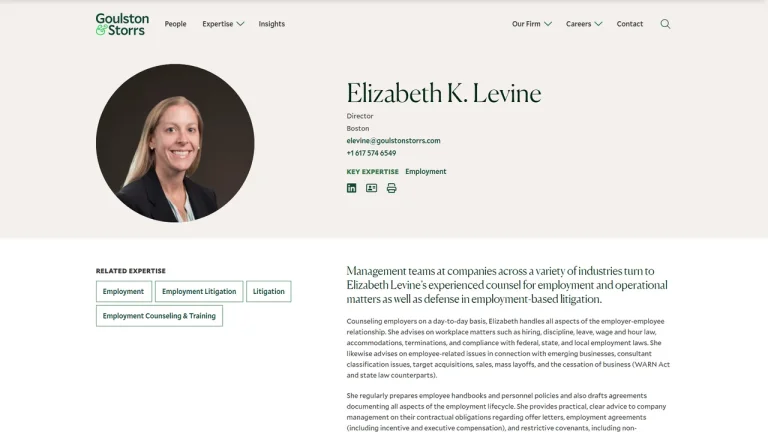
Elizabeth Levine, J.D. - Boston, MA

Magda Fleckner, J.D. - Boston, MA

Gold, Albanese & Barletti, L.L.C. - Boston, MA

Heeg Law, PLLC - Boston, MA

Shield Law, PC - Boston, MA
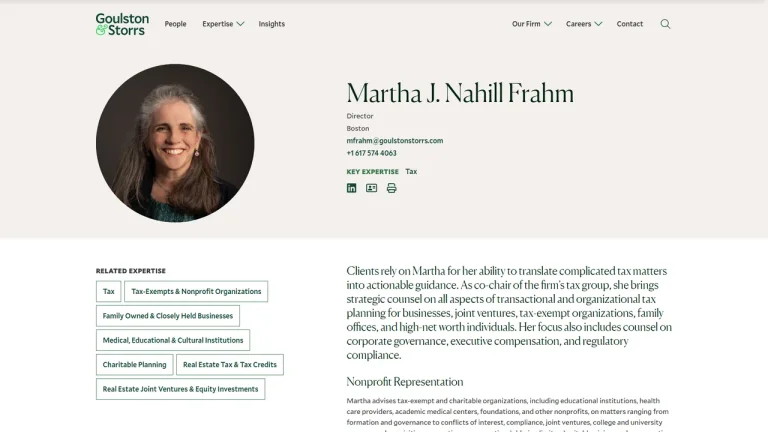
Martha Nahill Frahm, J.D. - Boston, MA

Moriarty Bielan & Malloy LLC - Boston, MA

Callanan Law LLP - Boston, MA

Sassoon Cymrot Law, LLC - Boston, MA

Hinckley Allen - Boston, MA

Pierce Atwood LLP - Boston, MA

Duane Morris LLP - Boston, MA
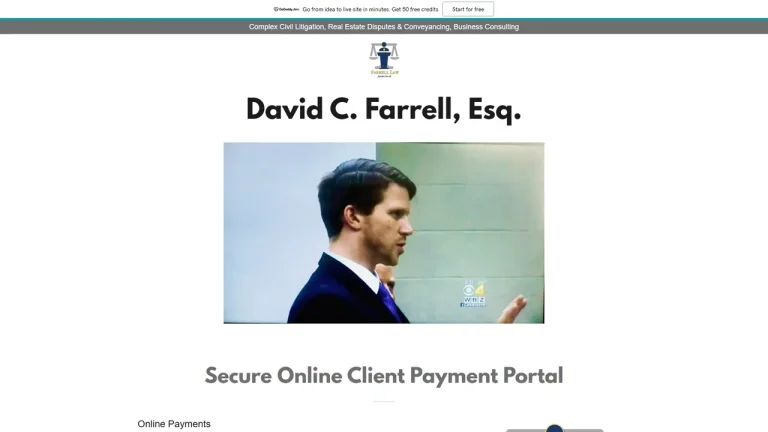
Farrell Law, P.C. - Boston, MA

Nancy Samiljan, J.D. - Boston, MA
Law Office of Joseph J. Martino, Jr. - Boston, MA

Ligris + Associates, PC - Boston, MA

DarrowEverett LLP - Boston, MA
Fletcher Tilton PC - Boston, MA

McKenzie & Associates, P.C. - Boston, MA

Fox Rothschild LLP - Boston, MA

Yuanshu Deng, J.D. - Boston, MA

Navigating Boston Trust Law and Suffolk County Jurisdiction
Establishing a trust or managing fiduciary administration in Boston demands strict adherence to the Massachusetts Uniform Trust Code (Mass. Gen. Laws ch. 203E, § 101). Whether you are structuring a revocable living trust for a brownstone in Beacon Hill, managing commercial assets in the Financial District, or preserving generational family property in Back Bay, local legal guidance shields settlors and beneficiaries from expensive procedural pitfalls.
Trust oversight, equity petitions, and fiduciary litigation in the city fall within the primary jurisdiction of the Suffolk Probate and Family Court, situated inside the Edward W. Brooke Courthouse at 24 New Chardon Street. Judicial proceedings-ranging from petitions to modify irrevocable trusts under Mass. Gen. Laws ch. 203E, § 411 to formal actions seeking trustee removal or accounting surcharges-are adjudicated before the justices in this courthouse.
Beyond formal court intervention, seasoned Boston trust attorneys frequently utilize non-judicial settlement agreements under Massachusetts statutes to interpret ambiguous terms, approve fiduciary compensation, or decant principal without contentious litigation. Retaining verified Boston counsel ensures that your trust governance satisfies statutory requirements while safeguarding multi-generational wealth from unnecessary exposure.
Legal Fee Structures for Boston Trust Matters
| Case Scenario | Fee Structure | Estimated Cost (USD) | Key Cost Determinants |
|---|---|---|---|
| Basic Revocable Living Trust Package | Flat Fee | $2,000 - $4,500 | Number of assets, inclusion of pour-over wills, power of attorney, and real property deeds. |
| Complex Irrevocable or Special Needs Trust | Flat Fee or Hybrid | $4,500 - $9,500 | MassHealth eligibility provisions, generation-skipping transfer tax terms, and asset protection. |
| Fiduciary Trust Administration & Accounting | Hourly Billing ($350 - $650/hr) | $3,500 - $12,000+ | Beneficiary reporting requirements under MUTC, asset liquidations, and formal fiduciary accounts. |
| Contested Trust Litigation & Fiduciary Surcharge | Hourly with Retainer ($5,000 - $15,000 upfront) | $15,000 - $60,000+ | Court hearings at Brooke Courthouse, discovery volume, forensic valuations, and trial length. |
Critical Legal Deadlines & Statutes in Massachusetts
Under Mass. Gen. Laws ch. 203E, § 604, a judicial proceeding contesting the validity of a trust that was revocable at the settlor's death must be filed within the earlier of one year after the date of death or sixty days after the trustee sent the beneficiary a copy of the trust instrument and formal notice. Fiduciary reporting rules under Mass. Gen. Laws ch. 203E, § 813 require trustees to notify qualified beneficiaries within thirty days of accepting a trusteeship or learning of the trust's irrevocability and to furnish annual accounts of receipts and disbursements.
When conveying real property into a trust within Suffolk County, trustees must record a certificate of trust or nominee schedule pursuant to Mass. Gen. Laws ch. 184, § 35 at the Suffolk County Registry of Deeds to maintain clear title. In addition, trustees administering estates with taxable assets exceeding the $2,000,000 threshold must coordinate with the personal representative to ensure Form M-706 is submitted to the Massachusetts Department of Revenue within nine months of the settlor's passing under Mass. Gen. Laws ch. 65C, § 4.
Small Claims Limitations vs. Retaining Boston Trust Counsel
Under Mass. Gen. Laws ch. 218, § 21, the Small Claims session of the Boston Municipal Court handles general contract and debt disputes with a strict statutory claim ceiling of $7,000. However, the Small Claims session lacks equitable jurisdiction over trusts, trustee removals, trust reformations, or breach of fiduciary duty actions. Trust matters must be addressed within the equitable jurisdiction of the Massachusetts Trial Court system.
Fiduciary administration involves complicated legal duties, interpretation of settlor intent, and sophisticated tax ramifications that cannot be handled through informal court claims. Attempting self-representation in trust disputes or drafting trusts through internet templates regularly triggers catastrophic defects, unintended tax exposure, or trustee personal liability. Retaining an attorney registered with the Massachusetts Board of Bar Overseers protects fiduciary autonomy and safeguards beneficiary rights throughout the administration process.
Red Flags When Hiring a Boston Trust Attorney
- Generic Trust Mills: Steer clear of non-attorney promoters or generalized legal document services that provide one-size-fits-all revocable trust forms without addressing the $2,000,000 Massachusetts estate tax threshold under Mass. Gen. Laws ch. 65C, § 2A.
- Failure to Complete Trust Funding: Avoid law practices that draft trust paperwork but abandon the funding process, leaving Boston real estate deeds unrecorded at the Suffolk County Registry of Deeds and financial accounts out of the trust.
- Inadequate Probate & Family Court Experience: If facing trust disputes or contested accountings, ensure your counsel has direct courtroom experience handling matters before the judges at the Edward W. Brooke Courthouse on New Chardon Street.
- Unclear Fee Agreements: Reject firms that refuse to outline hourly billing rates, initial retainer expectations, paralegal fees, and ancillary costs in a written fee agreement.
Frequently Asked Questions
What is the difference between a revocable trust and an irrevocable trust in Massachusetts?
A revocable trust allows the settlor to alter, amend, or revoke the trust terms during their lifetime while retaining full control over trust property. An irrevocable trust generally cannot be amended or terminated unilaterally once executed, but it offers enhanced asset protection, removes assets from the taxable estate under Massachusetts law, and can assist with long-term healthcare eligibility.
How does a Nominee Trust work for real estate in Boston?
A Massachusetts Nominee Trust is a unique title-holding mechanism where the trustee holds legal title to real estate solely as an agent for undisclosed beneficiaries listed on a private schedule. It is widely used across Suffolk County to keep ownership private on public land records and streamline real property transfers without recording deeds for every change of beneficial interest.
Where are trust lawsuits and petitions heard in Boston?
Trust disputes, petitions for trust modification, and fiduciary surcharge actions involving Boston properties or residents are heard in the Suffolk Probate and Family Court, located on the third floor of the Edward W. Brooke Courthouse at 24 New Chardon Street in Boston.
What are a trustee's annual reporting duties under Massachusetts law?
Under Mass. Gen. Laws ch. 203E, § 813, a trustee is legally obligated to keep qualified beneficiaries reasonably informed about trust administration and must provide an annual accounting of all trust property, receipts, disbursements, and trustee compensation upon request.
Can an irrevocable trust be modified without going to court in Massachusetts?
Yes. Under Mass. Gen. Laws ch. 203E, § 111, interested persons can enter into a non-judicial settlement agreement to resolve administrative matters, clarify ambiguities, or approve fiduciary accounts, provided the agreement does not violate a material purpose of the trust.