
Financial & IP Lawyers in Michigan
Safeguarding proprietary innovations and structuring financial transactions in Michigan requires sophisticated intellectual property and corporate counsel. An accomplished Michigan financial and IP attorney protects proprietary assets, manages state banking compliance, and defends patents in federal court. Explore our directory below to connect with a trusted Michigan attorney.

Sadek Law PLC - Grand Rapids, MI

Fairmax Law™, a Debt Relief Law Firm - Grand Rapids, MI

Barrett Law, PLLC - Lansing, MI
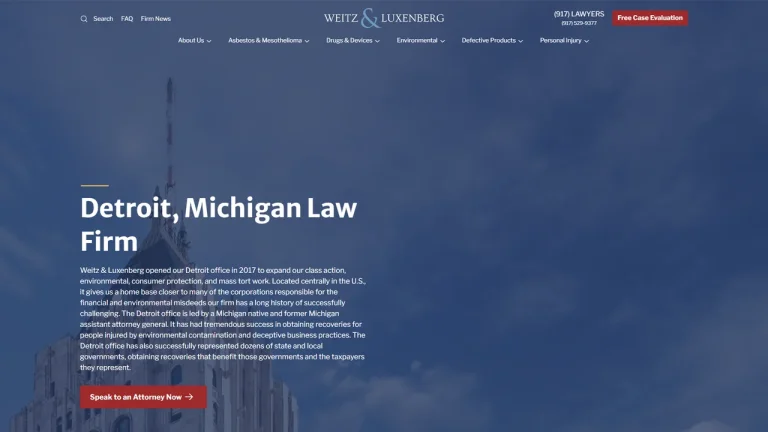
Weitz & Luxenberg Detroit - Detroit, MI
Bruce C. Thelen - Dickinson Wright PLLC - Detroit, MI

Jameson & Langlois, P.C. ; Joseph Langlois - Attorney - Warren, MI
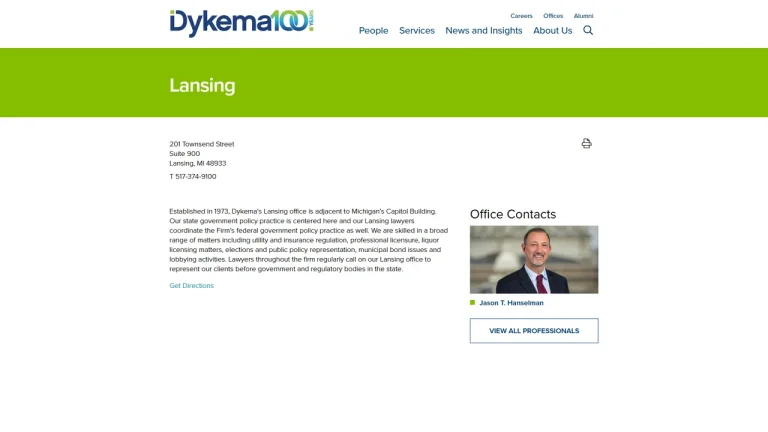
Dykema Gossett PLLC - Lansing, MI
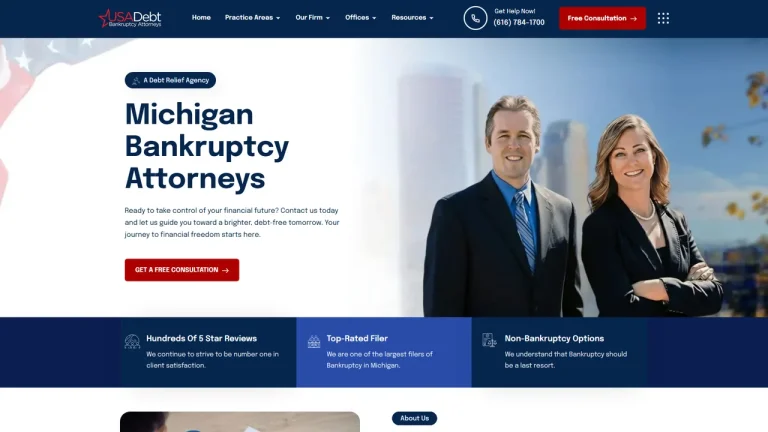
USADebt Bankruptcy Attorneys - Lansing, MI
Washtenaw Legal Center - Ann Arbor, MI
Reeder Murphy, P.C. - Grand Rapids, MI

Lee, Lee & Associates, P.C. - Ann Arbor, MI
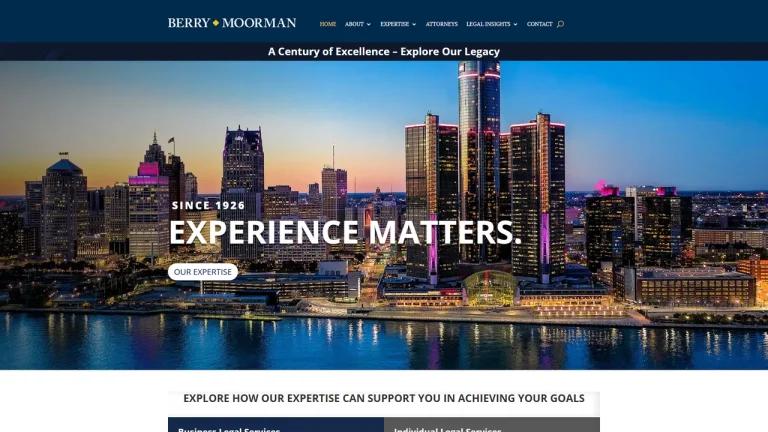
Berry Moorman PC - Detroit, MI
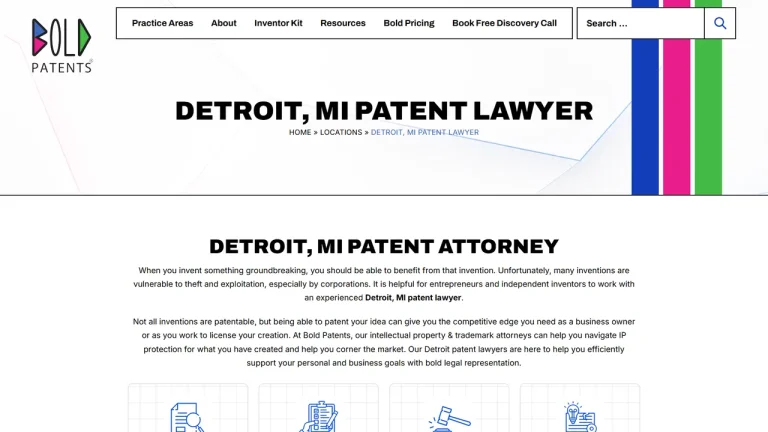
Bold Patents Law Firm - Detroit, MI

Gardner, Linn, Burkhart & Ondersma, LLP - Grand Rapids, MI
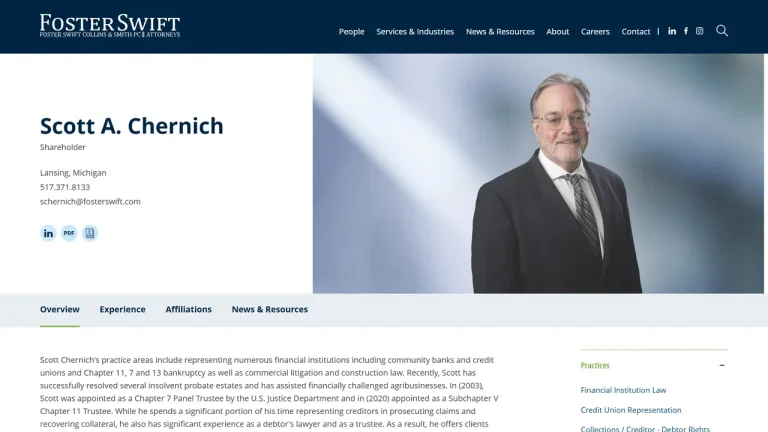
Scott A. Chernich, Attorney - Lansing, MI
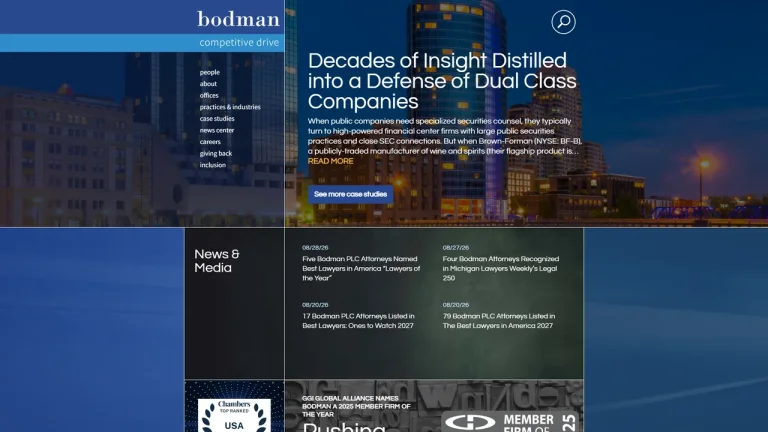
Bodman PLC - Detroit, MI

Russell Law Firm, P.C. - Grand Rapids, MI
Nora Lee Wright, Attorney at Law - Ann Arbor, MI
Bejjani Law PLLC - Dearborn, MI
Bohnhoff and Mahoney, PLC - Lansing, MI

Grand Law - Grand Rapids, MI
Stacy L. Van Dyken, P.C. - Grand Rapids, MI
Austin and Larson Tax Resolution - Lansing, MI

Securing Proprietary Assets in Michigan's Innovation Ecosystem
Protecting intellectual property and navigating complex commercial financial regulations are vital for businesses operating across Michigan's industrial and technological corridors. From the automotive engineering and advanced mobility sectors in Detroit, Troy, and Ann Arbor to manufacturing and FinTech enterprises in Grand Rapids, safeguarding proprietary assets requires focused legal counsel.
Patent, trademark, and copyright litigation is adjudicated through the federal court system in the U.S. District Court for the Eastern District of Michigan in Detroit or the Western District of Michigan in Grand Rapids. Inventors also benefit from the USPTO Elijah J. McCoy Midwest Regional Office located in Detroit, while commercial disputes and trade secret misappropriation claims are heard in specialized Michigan Business Courts established in county Circuit Courts under MCL § 600.8031.
Financial institutions, private lenders, and emerging tech companies must also comply with state banking and consumer credit laws enforced by the Michigan Department of Insurance and Financial Services (DIFS) under the Michigan Banking Code (MCL § 487.11101). Retaining dedicated counsel ensures that licensing agreements, credit transactions, and proprietary technological assets remain fully compliant and protected against infringement.
Michigan Financial and IP Legal Fees and Retainer Ranges
| Case Scenario | Fee Structure | Estimated Cost (USD) | Key Cost Determinants |
|---|---|---|---|
| Comprehensive Trademark Search & USPTO Filing | Flat Fee | $1,200 - $2,800 | Class count, comprehensive clearance search, office action response complexity. |
| Patent Application Prosecution (Utility / Mobility Tech) | Staged Flat / Hourly ($350 - $650/hr) | $6,000 - $15,000+ | Claim complexity, prior art volume, software vs. mechanical engineering design. |
| FinTech Regulatory Compliance & DIFS Licensing | Hourly Retainer ($325 - $575/hr) | $5,000 - $18,000 | Consumer lending disclosures, money transmitter compliance, data privacy framework. |
| Federal IP Infringement & Business Court Litigation | Complex Litigation Retainer | $25,000 - $100,000+ | Temporary restraining orders, patent Markman hearings, trade secret forensic audits. |
Critical Legal Deadlines & Statutes in Michigan
Intellectual property matters are subject to strict federal statutory deadlines. Under 35 U.S. Code § 102(b), an inventor has a one-year grace period following public disclosure, commercial offer for sale, or public use of an invention to file a patent application; missing this deadline forfeits patentability in the United States.
For copyright infringement claims filed in federal court, 17 U.S. Code § 507(b) establishes a three-year statute of limitations running from the date the infringement was discovered or reasonably should have been discovered. In patent infringement litigation, monetary damages are limited by 35 U.S. Code § 286 to infringements committed within the six years prior to the filing of the complaint.
State-level trade secret protections are governed by the Michigan Uniform Trade Secrets Act (MUTSA). Under MCL § 445.1907, an action for misappropriation of a trade secret must be brought within three years after the misappropriation is discovered or should have been discovered by the exercise of reasonable diligence. In commercial financial disputes, motions to transfer complex business litigation to the specialized Michigan Business Court must be filed promptly pursuant to MCL § 600.8035.
Small Claims Limitations vs. Federal and Business Court Advocacy
The Small Claims Division of the Michigan District Court is strictly restricted to simple monetary actions not exceeding $7,000 under MCL § 600.8401. Small claims courts have no legal authority to issue preliminary injunctions, order trademark cancellations, or adjudicate patent or copyright infringement claims.
Exclusive federal subject-matter jurisdiction over patents and copyrights is codified in 28 U.S. Code § 1338, requiring formal representation in the Eastern or Western Districts of Michigan. Similarly, high-value trade secret litigation, commercial lending conflicts, and non-disclosure violations fall under the jurisdiction of county Circuit Courts and their specialized Michigan Business Court dockets under MCL § 600.8031.
An experienced Michigan IP and financial attorney conducts comprehensive patent clearance searches, drafts non-disclosure and licensing agreements, handles administrative office actions before the USPTO, and protects commercial balance sheets from trade secret theft.
Red Flags to Avoid When Selecting a Michigan Financial & IP Lawyer
- Non-USPTO registered patent attorneys: Patent drafting and prosecution before the USPTO requires registration under 37 C.F.R. § 11.6; verify that your patent counsel is registered on the USPTO roster.
- Lack of Michigan Business Court trial experience: If your trade secret or financing dispute involves state litigation, choose an attorney experienced with the business docket under MCL § 600.8031.
- Skipping comprehensive clearance searches: Filing trademark or patent applications without a thorough clearance search risks infringement lawsuits and wasted agency fees.
- Unclear billing models for USPTO office actions: Ensure your legal agreement clearly outlines whether administrative office action responses are billed on a flat-fee or hourly basis.
Frequently Asked Questions
What is the role of the Michigan Business Court?
Established under MCL § 600.8031, Michigan Business Courts are specialized dockets within county Circuit Courts designed to resolve complex commercial, financing, and trade secret disputes efficiently through experienced business judges.
What is the statute of limitations for trade secret misappropriation in Michigan?
Under the Michigan Uniform Trade Secrets Act, specifically MCL § 445.1907, a claim for trade secret misappropriation must be initiated within three years from the date the misappropriation was discovered or reasonably should have been discovered.
What is the on-sale bar rule for patents in the United States?
Under 35 U.S. Code § 102(b), an inventor must file a patent application within one year of publicly disclosing, offering for sale, or publicly using the invention, or they will permanently forfeit patent rights.
Which state agency regulates financial institutions and consumer lenders in Michigan?
Financial institutions, consumer credit companies, and money transmitters in Michigan are regulated and licensed by the Michigan Department of Insurance and Financial Services (DIFS) under the Michigan Banking Code (MCL § 487.11101).
Can intellectual property disputes be resolved in Michigan small claims court?
No. Small claims courts in Michigan are limited to money damages up to $7,000 under MCL § 600.8401 and cannot hear patent or copyright claims, which are under exclusive federal jurisdiction under 28 U.S. Code § 1338.