
Immigration Lawyers in Minneapolis
Navigating complex U.S. immigration laws in Minneapolis requires strategic guidance from licensed immigration counsel familiar with local federal agency procedures. Experienced immigration attorneys protect foreign nationals from deportation risks, streamline corporate visas, and handle family-based petitions with accuracy. Explore our trusted directory below to schedule a case review with dedicated Minneapolis immigration lawyers.

AMA LAW GROUP PLLC - Minneapolis, MN
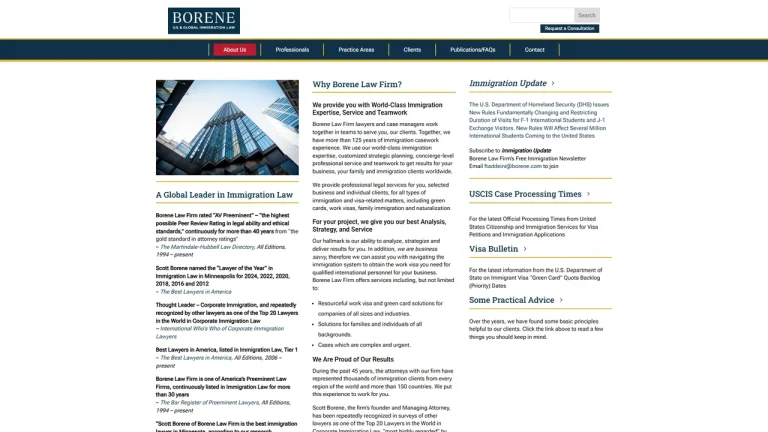
Borene Law Firm - Minneapolis, MN

Davis Immigration Lawyers, PLLC - Minneapolis, MN
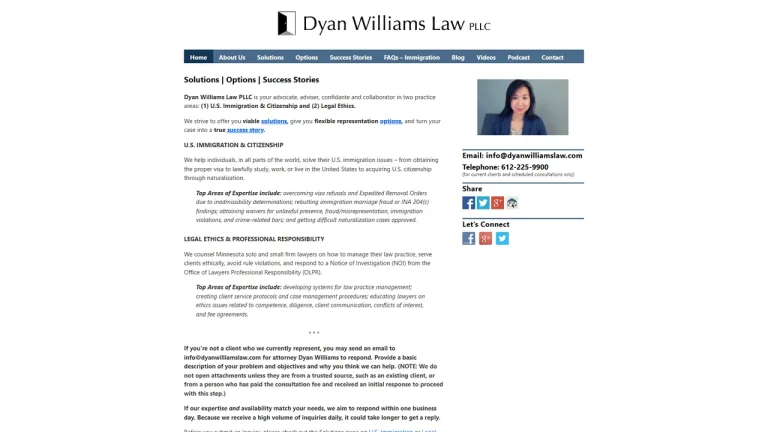
Dyan Williams Law PLLC - Minneapolis, MN

Puerta Grande Law Firm LLC - Minneapolis, MN
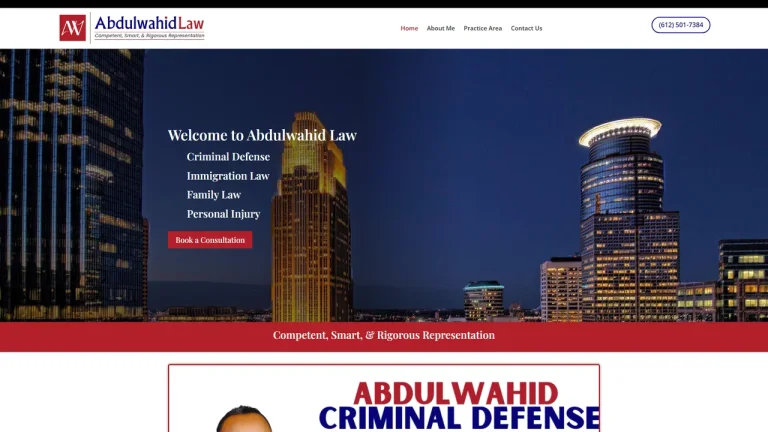
Abdulwahid Law Firm, PLLC - Minneapolis, MN

Mid-Minnesota Legal Aid - Minneapolis, MN
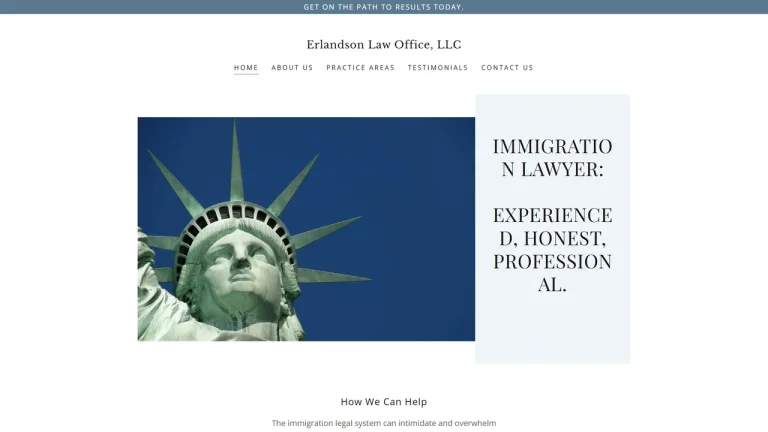
Erlandson Law Office, LLC - Minneapolis, MN

Aust Schmiechen, P.A. - Minneapolis, MN

David Immigration Law PLLC - Minneapolis, MN

Volunteer Lawyers Network - Minneapolis, MN

Top Law, LLC. - Minneapolis, MN
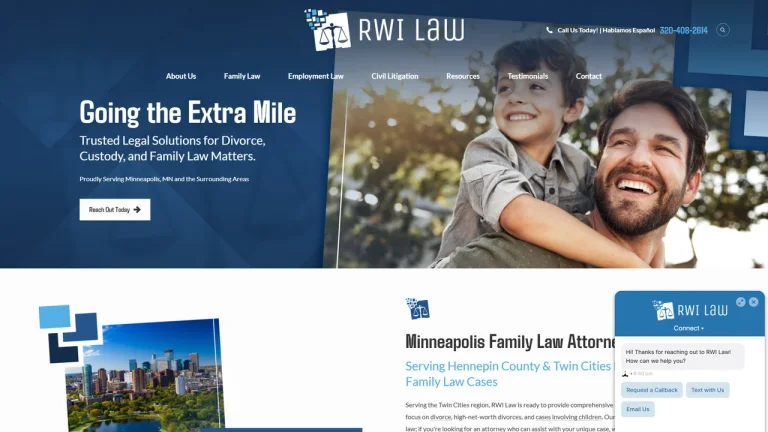
RWI Law - Minneapolis, MN

Goss Law - Minneapolis, MN

De León & Nestor, LLC - Minneapolis, MN
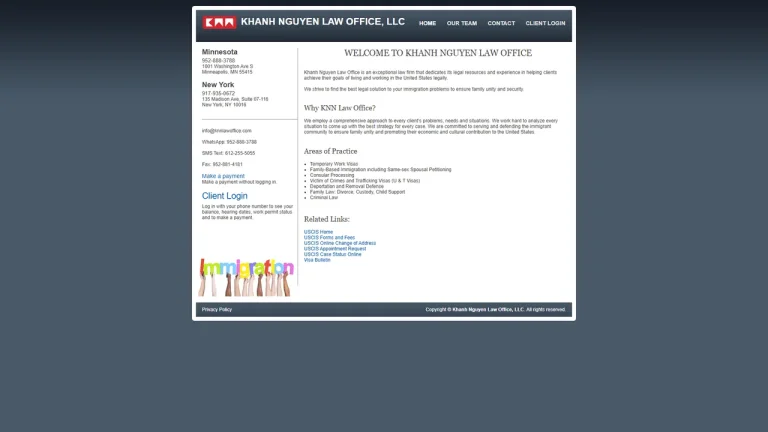
Khanh Nguyen Law Office - Minneapolis, MN

Wilson Law Group - Minneapolis, MN
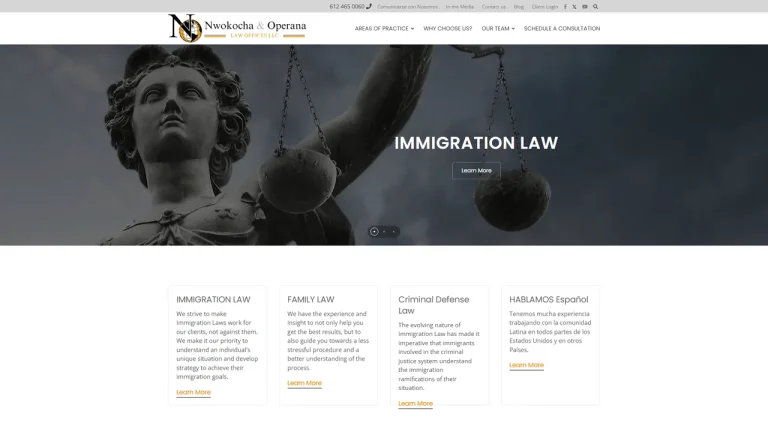
Nwokocha & Operana Law Offices - Minneapolis, MN

Ostrom Law Office - Minneapolis, MN

Chaudhary Immigration Attorneys - Minneapolis, MN

The Law Office of Iris Ramos - Minneapolis, MN
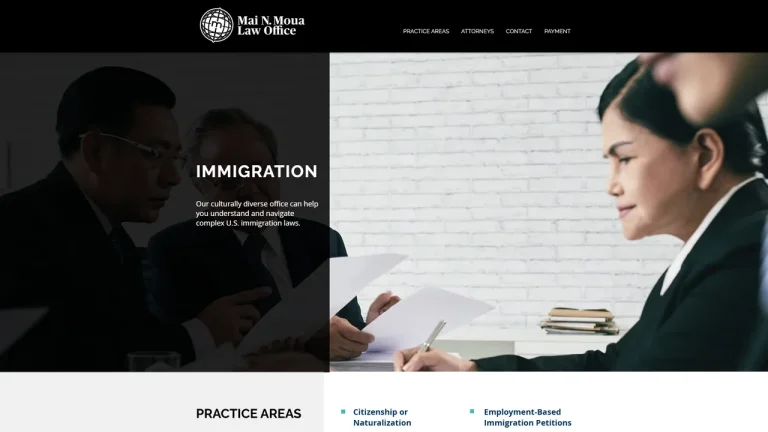
Navigating Immigration Law and Federal Agencies in Minneapolis
Immigration matters in Minneapolis and surrounding Hennepin County are governed strictly by federal statutory law and processed through dedicated regional administrative facilities. Foreign nationals, multinational corporations, and mixed-status families residing throughout Minneapolis, Bloomington, Eden Prairie, and Brooklyn Park interface with key federal hubs, including the U.S. Citizenship and Immigration Services (USCIS) Minneapolis-St. Paul Field Office located in Hennepin County, and the Fort Snelling Immigration Court (Executive Office for Immigration Review - EOIR).
Adjudications before the Fort Snelling Immigration Court operate under the federal statutory framework of the Immigration and Nationality Act, including removal defense hearings under 8 U.S.C. § 1229a. Retaining an attorney admitted to practice federal immigration law ensures competent handling of master calendar hearings, individual merits hearings, and defensive asylum applications under 8 U.S.C. § 1158.
Local immigration counsel also coordinate with regional detention authorities, including federal immigration holds across Minnesota facilities, while handling appeals before the Board of Immigration Appeals (BIA) and petitions for review before the U.S. Court of Appeals for the Eighth Circuit. From employment-based H-1B, L-1, and EB-category visas to family unification, local legal advocacy ensures compliance with rigorous evidentiary standards.
Minneapolis Immigration Legal Fee Structures & Service Costs
| Case Scenario | Fee Structure | Estimated Cost (USD) | Key Cost Determinants |
|---|---|---|---|
| Family-Based Adjustment of Status (Green Card) | Flat Legal Fee (Plus USCIS Fees) | $2,500 - $5,500 | Lawful entry status, affidavit of support sufficiency, waiver requirements, and USCIS interview attendance. |
| Affirmative or Defensive Asylum Application | Staged Flat Fee or Hourly Retainer | $4,000 - $9,500 | Country condition documentation, expert witness declarations, individual merits hearing prep at Fort Snelling EOIR. |
| Removal Defense & Cancellation of Removal | Flat Fee per Hearing Stage | $5,000 - $12,000 | Criminal history analysis, exceptional hardship threshold proofs, bond redetermination motions, and appeal briefs. |
| Naturalization & Citizenship Petition (N-400) | Flat Legal Fee | $1,200 - $2,800 | Continuous residence queries, past tax compliance, moral character issues, and field office interview accompaniment. |
Critical Legal Deadlines & Statutes in Minnesota Immigration Practice
Immigration proceedings are bound by unyielding federal statutory deadlines where a single procedural delay can lead to an order of removal in absentia. Under federal immigration statutes, an applicant for asylum must file Form I-589 within one year of arrival in the United States pursuant to 8 U.S.C. § 1158, unless extraordinary circumstances or changed country conditions are formally established.
If an immigration judge at the Fort Snelling Immigration Court issues an adverse decision, a respondent has strictly 30 calendar days from the date of the decision to file a Notice of Appeal with the Board of Immigration Appeals (BIA) under 8 C.F.R. § 1003.38. The BIA strictly enforces this physical receipt deadline, and tardy filings result in automatic dismissal of the appeal.
For petitions pending with USCIS, responses to Requests for Evidence (RFE) or Notices of Intent to Deny (NOID) are subject to non-extendable deadlines typically ranging from 30 to 87 days under 8 C.F.R. § 103.2. Failure to tender responsive legal briefs and supporting affidavits within the allotted statutory window results in petition denial without further review.
State Conciliation Courts vs. Federal Immigration Representation
The Hennepin County Conciliation Court possesses jurisdiction limited to civil disputes involving monetary damages up to $15,000. It has absolutely no legal authority or jurisdictional competence to adjudicate immigration status, visa classifications, asylum claims, or deportation proceedings. Immigration law is solely governed by federal statutes enacted by Congress and executed through federal administrative agencies.
Representing oneself before USCIS or the Executive Office for Immigration Review creates acute vulnerabilities. Government trial attorneys from Immigration and Customs Enforcement (ICE) represent the Department of Homeland Security in removal hearings to enforce federal immigration laws. An experienced immigration attorney identifies paths for relief, negotiates prosecutorial discretion, prepares complex statutory waiver applications under 8 U.S.C. § 1182, and preserves an accurate appellate record.
Red Flags When Selecting an Immigration Legal Representative
- Relying on Non-Attorney Notarios or Document Preparers: In the United States, a notary public is not a licensed legal professional. Utilizing unaccredited consultants leads to catastrophic filing errors, missed statutory deadlines, and potential deportation.
- Promises of Guaranteed Visas or Expedited Green Cards: No ethical immigration lawyer can guarantee an approval from USCIS, the Department of State, or an immigration judge at the Fort Snelling EOIR court.
- Failure to Provide a Clear, Written Fee Agreement: Reputable immigration law practices furnish itemized retainer contracts that distinguish between legal services and mandatory federal filing fees payable to the Department of Homeland Security.
- Submitting Incomplete or Fraudulent Asylum Claims: Unethical practitioners who fabricate persecution claims expose applicants to permanent statutory bars for frivolous asylum filings under federal law.
Frequently Asked Questions
Where is the immigration court located for Minneapolis residents?
Immigration court proceedings for individuals residing in Minneapolis and throughout Minnesota are conducted at the Fort Snelling Immigration Court (Executive Office for Immigration Review), located at Fort Snelling, adjacent to Minneapolis in Hennepin County.
What is the one-year asylum filing rule?
Under 8 U.S. Code section 1158, asylum seekers must submit their application within one year of their physical arrival in the United States. Limited exceptions apply for changed circumstances in the applicant's home country or extraordinary circumstances directly related to the delay in filing.
Can a criminal citation in Minneapolis affect my immigration status?
Yes, criminal convictions-including certain gross misdemeanors and misdemeanors under Minnesota law-can trigger grounds of inadmissibility or deportability under federal immigration law. Non-citizens facing criminal charges in Hennepin County should immediately seek counsel experienced in both criminal defense and immigration law.
Can non-attorneys or notarios represent me in immigration proceedings?
No. Under federal regulations, only attorneys licensed to practice in a U.S. jurisdiction or representatives accredited by the Department of Justice (DOJ) through recognized non-profit organizations may provide legal advice and represent individuals before USCIS or the Immigration Court.
What happens if I miss my court date at the Fort Snelling Immigration Court?
Failing to appear for a scheduled hearing at the immigration court typically results in an immigration judge issuing an in absentia removal order under federal law, rendering you immediately deportable and triggering statutory bars to future immigration relief.