
Child Support Lawyers in Nebraska
Retaining a knowledgeable Nebraska child support attorney ensures monthly obligations are calculated accurately under the Nebraska Child Support Guidelines. Experienced legal counsel advocates for fair income determinations, petitions for modifications upon a material change of circumstances, and resolves enforcement disputes. Review our verified directory below to consult a qualified family law attorney in your region.

Vacanti Shattuck Finocchiaro Attorneys - Omaha, NE

Sandra Stern Law Office - Omaha, NE

Higgins Law - Omaha, NE

Stange Law Firm PC Lincoln, NE

Law Office of Willow T. Head, P.C., L.L.O. - Omaha, NE

Kennedy Law Firm - Omaha, NE
Carlson Family Law - Lincoln, NE

Cordell & Cordell - Lincoln, NE
Rodell Law Office, Lincoln, NE

Hathaway Law Group, P.C. L.L.O. - Omaha, NE

Koenig|Dunne - Omaha, NE

London Law Office P.C., L.L.O. - Lincoln, NE
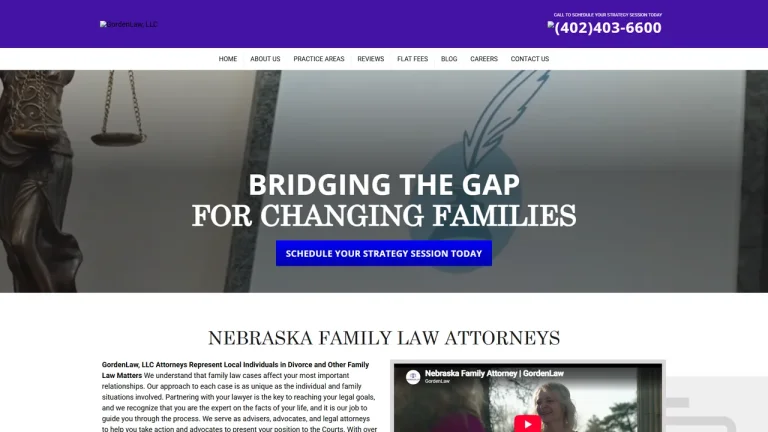
GordenLaw, LLC - Lincoln, NE

The Law Offices of James A. Adams, P.C., L.L.O. - Omaha, NE

Stephanie Milone Law Office - Omaha, NE
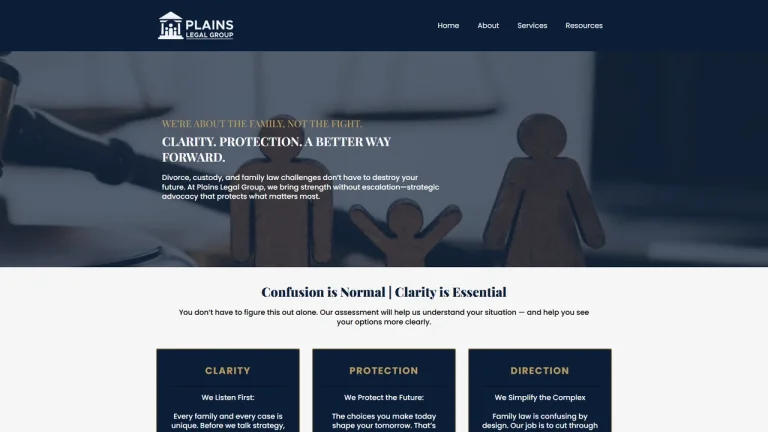
Plains Legal Group - Omaha, NE

Lowe Laura A - Lincoln, NE
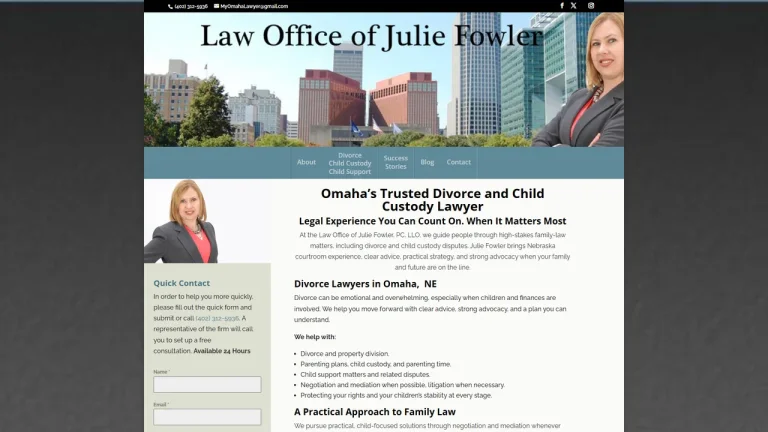
Law Office of Julie Fowler - Omaha, NE

Nebraska Legal Group - Lincoln, NE

Slowiaczek Albers & Whelan - Omaha, NE
Philip Katz - Family Law Attorney - Omaha, NE

Navigating Nebraska Child Support Determinations in District Courts
Child support in Nebraska is a legal duty shared by both parents to ensure their children receive adequate financial resources following parental separation, divorce, or paternity establishment. Child support matters are adjudicated primarily within the Nebraska District Courts across 12 judicial districts, with significant case dockets in Douglas County (Omaha), Lancaster County (Lincoln), Sarpy County (Papillion), and Hall County (Grand Island). Administrative enforcement and collection actions are concurrently supported through the Nebraska Department of Health and Human Services (DHHS) Child Support Enforcement division under Title IV-D.
Nebraska calculates child support using the Income Shares model, established under the Nebraska Child Support Guidelines promulgated by the Nebraska Supreme Court. Support calculations consider the combined net monthly income of both parents, the allocation of parenting time, healthcare premiums, and mandatory daycare costs. Accurately determining income is particularly nuanced when dealing with self-employed business owners, independent contractors, or fluctuating agricultural income common across Nebraska communities.
Hiring a child support attorney admitted to the Nebraska State Bar Association ensures that financial calculations are accurate and lawful. A skilled attorney audits tax returns, identifies improperly deducted depreciation, petitions for deviation when unique child needs arise, and ensures support decrees protect your financial stability while fulfilling parental responsibilities.
Nebraska Child Support Legal Fees & Representation Models
| Case Scenario | Fee Structure | Estimated Cost (USD) | Key Cost Determinants |
|---|---|---|---|
| Initial Child Support Calculation & Worksheet Submission | Flat Fee / Limited Scope | $1,000 - $2,500 | W-2 wage verification, daycare and health insurance proof, uncontested worksheet approval. |
| Child Support Modification Petition (10% Variance) | Hourly Retainer ($225 - $400/hr) | $2,500 - $6,500 | Demonstrating material change of circumstances, income change duration, contested hearings. |
| Enforcement / Contempt of Court for Willful Nonpayment | Hourly Retainer ($250 - $425/hr) | $2,000 - $5,500 | Arrears calculation, asset tracing, purgative conditions negotiation, license suspension defense. |
| High-Income / Complex Self-Employed Imputed Income Dispute | Hourly Retainer ($275 - $500/hr) | $5,000 - $15,000+ | Forensic accounting, corporate tax return analysis, business depreciation disputes in District Court. |
Critical Legal Deadlines & Statutes in Nebraska
Child support obligations and enforcement procedures in Nebraska are strictly governed by statutory law and judicial guidelines. Under Neb. Rev. Stat. § 42-364.16, child support must be calculated in accordance with the Nebraska Child Support Guidelines, which create a rebuttable presumption that the calculated amount is correct unless specific equitable grounds for deviation are proven.
A unique and critical aspect of Nebraska law is the statutory age of majority: under Neb. Rev. Stat. § 43-2101, the age of majority in Nebraska is 19 years old. Consequently, child support obligations continue until the child reaches age 19, marries, or becomes legally emancipated, unless the decree provides otherwise. Modification of existing child support decrees is governed by Neb. Rev. Stat. § 42-364, which requires proof of a material change of circumstances. Under judicial standards, a material change is generally presumed when application of the guidelines results in a variance of at least 10% (and at least $25) that has lasted or is expected to last for at least three months. Mandatory income withholding mechanisms operate under Neb. Rev. Stat. § 43-1718.01, while paternity establishment actions may be commenced at any time prior to the child's eighteenth birthday pursuant to Neb. Rev. Stat. § 43-1411.
Nebraska Small Claims Court Limitations vs. District Court Support Practice
In Nebraska, Small Claims Courts maintain jurisdiction over minor debt actions capped at $7,500 under Neb. Rev. Stat. § 25-2802. In addition, attorneys are statutorily prohibited from representing litigants during Small Claims Court hearings pursuant to Neb. Rev. Stat. § 25-2803. Small Claims Courts possess zero jurisdiction over child support awards, paternity determinations, or decree modifications.
Attempting to handle child support disputes pro se in the District Court frequently leads to chronic financial miscalculations. Self-represented parents often fail to properly document health insurance deductions, misunderstand how joint physical custody calculations alter support obligations, or face unexpected contempt citations for unpaid arrearages. Retaining a child support attorney from our directory ensures your financial worksheets are prepared accurately, statutory deviations are argued effectively, and support orders reflect real economic conditions.
Red Flags When Selecting a Nebraska Child Support Lawyer
- Misstating the Age of Majority: Nebraska child support terminates at age 19 under Neb. Rev. Stat. § 43-2101, not age 18; avoid practitioners who rely on generic multi-state assumptions regarding termination dates.
- Promising to Hide Cash Business Income: Attorneys who suggest underreporting agricultural or cash receipts violate professional ethics; Nebraska judges readily impute earning capacity based on historical revenue.
- Advising Voluntary Underemployment: Intentionally quitting a job or taking a low-paying position will not lower child support; Nebraska courts will calculate obligations based on earning potential.
- Failing to Provide Official Child Support Worksheets: A proper child support evaluation requires running official Supreme Court guideline worksheets; beware of lawyers who quote monthly support numbers without running formal software calculations.
Frequently Asked Questions
At what age does child support end in Nebraska?
Under Neb. Rev. Stat. § 43-2101, child support obligations in Nebraska generally continue until the child reaches the age of 19 (the state age of majority), marries, or is legally emancipated.
What is considered a material change of circumstances for child support modification?
Under Neb. Rev. Stat. § 42-364 and court guidelines, a material change is generally recognized when a financial change results in at least a 10% variation in monthly support that has lasted or will last at least three months.
Can parents agree to waive child support in Nebraska?
No. Child support belongs to the child, not the parents. District Courts will not approve private stipulations to waive child support unless strict statutory guidelines and adequate child support alternatives are demonstrated.
How is child support calculated if parents share physical custody?
Under Nebraska Child Support Guidelines, if each parent has physical custody of the child for at least 142 days per year (or roughly 39% of the time), a specialized joint physical custody worksheet is utilized to adjust support proportionately.
What happens if a parent refuses to pay court-ordered child support?
The non-paying parent faces enforcement remedies under Neb. Rev. Stat. § 43-1718.01 and Neb. Rev. Stat. § 42-358, including income withholding, tax refund intercept, driver's license suspension, and potential jail time for civil contempt.