
Debt Relief Lawyers in Nebraska
Struggling with overwhelming debt in Nebraska requires strategic legal advocacy to stop predatory collection tactics, wage garnishments, and judicial lawsuits. Experienced debt relief attorneys negotiate binding settlements, defend against debt-buyer litigation, and protect your hard-earned wages under state exemption laws. Search our verified directory to consult with a reputable Nebraska debt defense lawyer today.
Burke Smith Law - Omaha, NE
Caldwell Law, LLC, Lincoln, NE

The Law Center - Omaha, NE

Ronald A. Hunter, Attorney at Law - Omaha, NE
Gamm Legal Services - Omaha, NE

Law Office of Tregg Lunn - LINCOLN, NE

McGuire Law Offices - Lincoln, NE

Locher Pavelka Dostal Braddy & Hammes LLC - Omaha, NE

The Law Office of Paul W. Rea - Lincoln, NE

Lentz Law - Omaha, NE

McGuire Law Offices - Omaha, NE

Barnhart Law Office - Omaha, NE
Skrupa Law Bankruptcy Attorney - Lincoln, NE
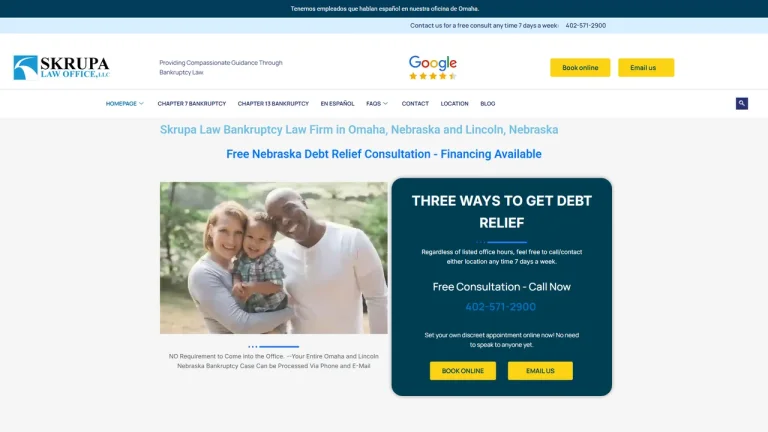
Skrupa Law Bankruptcy Attorney - Omaha, NE
Thompson Law PC LLO - Lincoln, NE
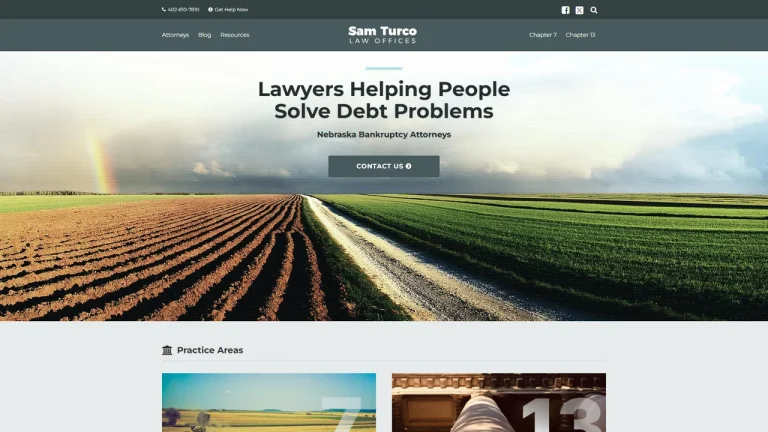
Sam Turco Law Offices, Lincoln, NE
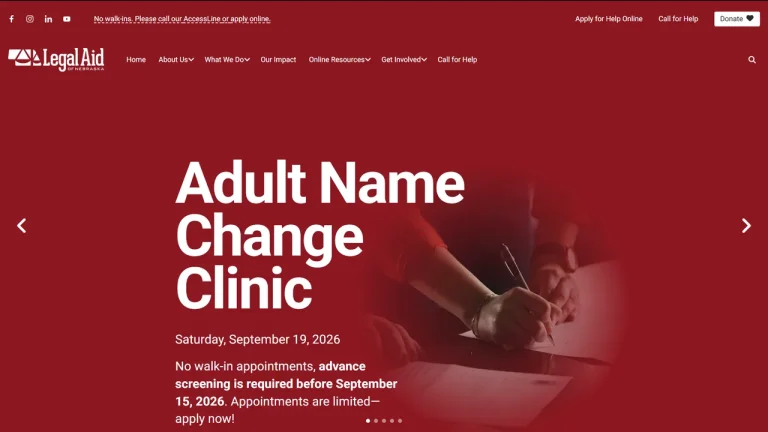
Legal Aid of Nebraska - Lincoln, NE

James Polack P.C. Law Office - Omaha, NE

Lentz Law - Lincoln, NE
Turco Law Offices - Omaha, NE
Navigating Debt Relief & Consumer Defense Across Nebraska Courts
Consumer debt controversies and debt-buyer lawsuits in Nebraska are litigated primarily through County Courts (for claims up to $57,000) and District Courts (for larger disputes) across the state's twelve judicial districts. High-volume debt collection dockets are concentrated in Douglas County (Omaha), Lancaster County (Lincoln), Sarpy County (Bellevue), Hall County (Grand Island), and Buffalo County (Kearney), where national debt buyers frequently file collection actions through the state's JUSTICE electronic court system.
When consumers fall behind on credit accounts, medical obligations, or personal loans, creditors frequently employ aggressive collection tactics. Retaining an attorney admitted to the Nebraska State Bar Association provides immediate protection. Skilled counsel evaluates whether third-party collectors have violated the federal Fair Debt Collection Practices Act (FDCPA), challenges whether debt buyers have sufficient evidence to prove chain-of-title ownership, and asserts statutory limits to protect earned wages from execution.
A debt relief lawyer provides structured alternatives to formal bankruptcy. Experienced Nebraska counsel can negotiate lump-sum settlements for a fraction of outstanding balances, quash improper garnishment summonses, defend against non-judicial foreclosure under state trust deed laws, and protect agricultural families from devastating creditor judgments.
Nebraska Debt Relief & Defense Legal Costs
Legal fees for debt defense and settlement representation in Nebraska generally involve flat fees for lawsuit defense or contingency-based savings fees for negotiated settlements.
| Case Scenario | Fee Structure | Estimated Cost (USD) | Key Cost Determinants |
|---|---|---|---|
| County Court Collection Lawsuit Defense | Flat Fee / Hourly | $950 - $2,500 | Original creditor vs. junk debt buyer, total claim amount, standing challenges, discovery needs |
| Out-of-Court Debt Settlement Negotiation | Percentage of Savings (15% - 25%) / Flat Fee | $1,500 - $4,000 | Total enrolled debt volume, liquidity for lump-sum settlements, creditor litigation posture |
| Wage Garnishment Exemption & Quashal Motion | Flat Fee | $600 - $1,500 | Head of family status verification, disposable earnings calculations, court hearing attendance |
| Trust Deed Foreclosure Defense & Workouts | Hourly ($250 - $450/hr) / Retainer | $2,500 - $7,500 | Notice of default stage, loan modification negotiations, trustee sale injunction filings |
Critical Legal Deadlines & Statutes in Nebraska
Debtors targeted by wage execution are protected by statutory garnishment caps. Under Neb. Rev. Stat. § 25-1558, wage garnishments cannot exceed the lesser of twenty-five percent of disposable earnings (reduced to fifteen percent if the individual qualifies as a head of a family) or the amount by which weekly earnings exceed thirty times the federal minimum wage.
Creditors face strict limitation periods to file lawsuits. Under Neb. Rev. Stat. § 25-205, an action upon any agreement, contract, or promise in writing must be brought within five years. For unwritten contracts and open store accounts, Neb. Rev. Stat. § 25-206 enforces a four-year statute of limitations.
Once a creditor obtains a money judgment, statutory time limits govern its validity. Pursuant to Neb. Rev. Stat. § 25-1515, a civil judgment becomes dormant if five years elapse without execution being issued, requiring formal revivor proceedings before collections can resume.
Homeowners facing foreclosure under the Nebraska Trust Deeds Act have a limited window to cure arrears. Under Neb. Rev. Stat. § 76-1012, the trustor has one month from the recording of the notice of default to pay the delinquent balance and reinstate the deed of trust prior to a public auction.
Consumers are safeguarded against abusive debt practices under federal law. Pursuant to 15 U.S. Code § 1692 of the Fair Debt Collection Practices Act, debt collectors are prohibited from using deceptive, unfair, or abusive collection tactics.
Small Claims Limitations vs. Formal County Court Defense
Under Neb. Rev. Stat. § 25-2802, Nebraska Small Claims Courts handle civil monetary claims up to $7,500. Under Neb. Rev. Stat. § 25-2803, attorneys are prohibited from appearing in small claims trials. Consequently, collection agencies and institutional debt buyers rarely file in small claims court; instead, they file on the regular County Court docket, where full formal rules of civil procedure apply.
Attempting to handle a County Court collection lawsuit without an attorney puts consumers at severe risk. Debtors who fail to file a formal written response within thirty days face automatic default judgments, leading to frozen bank accounts and ongoing wage garnishments. Retaining an attorney allows consumers to challenge chain-of-title defects, enforce the head of family fifteen percent garnishment limit under Neb. Rev. Stat. § 25-1558, and negotiate favorable dismissals or structured settlements.
Red Flags When Choosing a Nebraska Debt Settlement Service
- Out-of-State Non-Attorney Telemarketers: Avoid unlicensed debt settlement companies that collect monthly fees while instructing you to stop communicating with creditors, which often accelerates collection lawsuits in Nebraska County Courts.
- Upfront Fee Demands for Settlement: Steer clear of non-lawyer settlement agencies demanding upfront fees before debts are settled, in violation of federal consumer protection rules.
- Ignoring Canceled Debt Tax Liabilities: Be cautious of advisers who fail to explain that forgiven debt over $600 may generate taxable income reported to the IRS on Form 1099-C.
- Inability to Represent You in Court: Never hire a debt relief firm whose staff cannot file appearances or represent you before Nebraska judges when a formal collection petition is served.
Frequently Asked Questions
What is the head of family wage garnishment limit in Nebraska?
Under Nebraska law, if you qualify as the head of a family-meaning you support and maintain dependents closely connected by blood, marriage, or adoption-a creditor can garnish no more than fifteen percent of your disposable weekly earnings. For individuals who are not heads of families, the maximum statutory limit is twenty-five percent.
What is the statute of limitations on debt collection lawsuits in Nebraska?
In Nebraska, creditors have five years to file a lawsuit on written contracts, promissory notes, and credit cards. For oral agreements and open store accounts, the statute of limitations is four years. If a creditor sues you after the statutory period has expired, your attorney can file a motion to dismiss the lawsuit.
How does non-judicial foreclosure work under the Nebraska Trust Deeds Act?
Under Nebraska trust deed statutes, a lender does not need to file a formal court lawsuit to foreclose. The trustee records a Notice of Default with the county register of deeds. The borrower has a statutory one-month cure period to pay the default. If uncured, the trustee publishes notice of sale for five consecutive weeks before conducting a public auction.
Can a debt collector freeze my bank account in Nebraska?
A private debt collector cannot freeze your bank account without first filing a lawsuit, serving you with court papers, and obtaining a valid money judgment. Once a judgment is entered in County or District Court, the creditor can file interrogatories in aid of execution and issue a bank garnishment summons.
What is the advantage of hiring a debt relief attorney over a settlement company?
A licensed Nebraska debt defense attorney can file legal answers, assert affirmative defenses, and represent you in court if a creditor sues. Non-attorney settlement companies cannot provide legal advice, defend you in court, or protect you from default judgments and wage garnishments.