
Patent Attorneys in Lincoln
Securing patent protection in Lincoln safeguards your technological breakthroughs and provides vital commercial advantages under federal intellectual property law. Registered patent attorneys assist inventors and businesses with patent searches, non-provisional applications, and USPTO prosecution to protect valuable inventions. Explore our directory below to connect with a qualified patent attorney today.
Michael Best & Friedrich LLP, Lincoln, NE
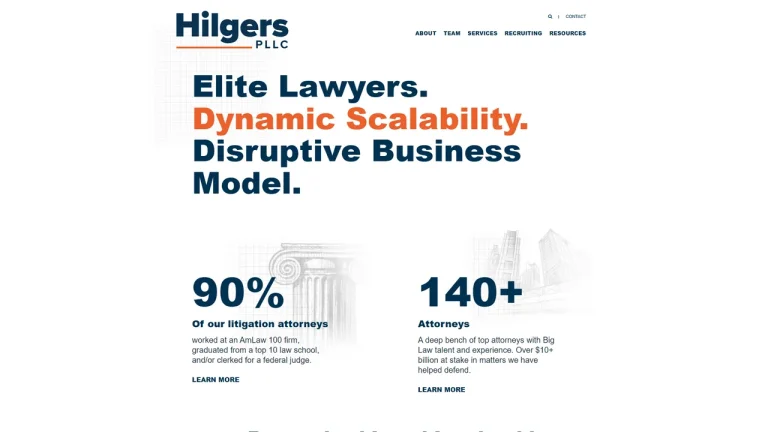
Hilgers Graben PLLC - LINCOLN, NE
Securing Federal Patent Rights for Lincoln Innovators
Securing and defending patent rights in Lincoln requires deep technical fluency and extensive knowledge of federal patent law governed by Title 35 of the United States Code. As a major research and commercial center-spurred by agricultural technology, engineering initiatives at the University of Nebraska-Lincoln (UNL), and growing biotechnology startups-Lincoln fosters significant intellectual property development.
Patent law is exclusively federal, with patent grants issued by the United States Patent and Trademark Office (USPTO). Practicing patent prosecution requires specialized admission to the USPTO Patent Bar, distinct from general state bar licensing. When patent disputes or infringement claims arise, formal litigation falls under the exclusive jurisdiction of the federal courts, heard locally at the U.S. District Court for the District of Nebraska, located at the Robert V. Denney Federal Building in Lincoln, with appellate review handled by the U.S. Court of Appeals for the Federal Circuit.
Retaining a registered Lincoln patent attorney ensures your technological discoveries are protected through broad, defensible claims, safeguarding your investments against commercial infringement and unauthorized exploitation.
Legal Fee Structures for Patent Services in Lincoln
Patent prosecution services are typically structured as fixed-fee flat packages for drafting and filing, while patent infringement defense and federal court litigation are billed at specialized hourly rates.
| Case Scenario | Fee Structure | Estimated Cost (USD) | Key Cost Determinants |
|---|---|---|---|
| Comprehensive Patentability Search & Legal Opinion | Flat Fee | $1,200 - $2,500 | Prior art database complexity, scope of invention, and formal patentability evaluation. |
| Provisional Patent Application Preparation | Flat Fee | $2,000 - $4,500 | Technical specification depth, informal drawings, and priority date establishment. |
| Non-Provisional Utility Patent Application | Flat / Blended | $6,000 - $12,000 | Independent claim count, complex technical schematics, and USPTO filing tier. |
| Federal Patent Infringement Litigation | Hourly Retainer | $375 - $650/hr | Markman claim construction hearings, expert technical witness fees, and federal trial length. |
Critical Legal Deadlines & Statutes in Federal Patent Law
Patent procurement and enforcement are dictated by non-negotiable statutory timelines codified in federal patent statutes:
- America Invents Act (AIA) One-Year Grace Period: Under 35 U.S. Code § 102(b), an inventor must file a patent application within one year of any public disclosure, commercial sale, or public use of the invention, or all patent rights are permanently forfeited.
- Provisional Application Conversion Window: Pursuant to 35 U.S. Code § 119(e), a non-provisional application claiming the benefit of a provisional application must be filed within exactly 12 months; this statutory deadline cannot be extended.
- Patent Application Requirements: Formal specifications, claims, and oath requirements for patent filings are mandated under 35 U.S. Code § 111.
- Six-Year Statute of Limitations on Damages: Under 35 U.S. Code § 286, a patent owner cannot recover damages for any infringement committed more than six years prior to the filing of the complaint.
- USPTO Patent Bar Admission Mandate: Practitioners preparing patent applications must be registered under 37 C.F.R. § 11.6, verifying technical qualifications and legal competence before the USPTO.
Small Claims Court vs. Federal Patent Representation
Under Neb. Rev. Stat. § 25-2802, Nebraska small claims courts are limited to $3,900. Crucially, pursuant to 28 U.S. Code § 1338(a), federal courts maintain exclusive jurisdiction over civil actions arising under any Act of Congress relating to patents, completely barring state and small claims courts from hearing patent disputes.
Inventors attempting to draft their own patent applications inevitably fall into fatal claim-drafting errors. A poorly written patent application may be rejected under 35 U.S. Code § 102 or 35 U.S. Code § 103 for failing to distinguish the invention from prior art, or result in issued claims so narrow that competitors can replicate the technology without infringing. A registered patent attorney in Lincoln crafts precise claim language that provides robust legal protection during commercialization.
Red Flags When Selecting a Patent Practitioner
Safeguarding valuable technological innovations requires partnering with qualified patent counsel. Be vigilant regarding these common red flags:
- Unregistered "Invention Promotion" Companies: Avoid predatory marketing firms that solicit inventors with promises of manufacturing and licensing without providing legal claim drafting by a registered patent attorney.
- Absence of USPTO Registration: Confirm that your attorney possesses a USPTO registration number verifying admission under 37 C.F.R. § 11.6; general litigation lawyers cannot draft patent applications before the patent office.
- Skipping Prior Art Novelty Searches: Beware of practitioners who offer to file a utility patent without first conducting a thorough prior art search to assess patentability.
- Guaranteed Patent Issuance Claims: The USPTO independently decides patentability; any firm guaranteeing that an application will issue as a patent is engaging in deceptive conduct.
Frequently Asked Questions
What is the difference between a provisional and non-provisional patent application?
A provisional application acts as an affordable placeholder that secures a priority filing date under 35 U.S. Code § 119(e) for 12 months without formal claims. A non-provisional application filed under 35 U.S. Code § 111 is formally examined by the USPTO and can issue as an enforceable patent.
What is the America Invents Act (AIA) one-year grace period?
Under 35 U.S. Code § 102(b), the United States provides a limited one-year grace period from the date an inventor first publicly discloses, publishes, or offers the invention for sale to file a patent application before the invention enters the public domain.
Why must a patent attorney be registered with the USPTO?
Under 37 C.F.R. § 11.6, only individuals with recognized technical or scientific degrees who pass the USPTO Patent Bar examination are authorized to prepare and prosecute patent applications on behalf of inventors.
How long does patent protection last in the United States?
Under federal patent law, a standard utility patent generally grants exclusive rights for 20 years from the original filing date of the non-provisional application, subject to the timely payment of statutory maintenance fees.
Where are patent infringement lawsuits filed in Lincoln?
Because patent litigation is strictly within federal jurisdiction under 28 U.S. Code § 1338(a), infringement lawsuits involving Lincoln parties are filed with the U.S. District Court for the District of Nebraska at the Robert V. Denney Federal Building in Lincoln.