
Citizenship Lawyers in Omaha
Pursuing American citizenship in Omaha? Connect with top citizenship lawyers to guide your naturalization, prepare for USCIS interviews, and protect your status. Experienced local immigration attorneys navigate continuous residency requirements, resolve good moral character complications, and expedite delayed petitions. Explore our verified directory below to schedule a strategic case review with trusted Omaha counsel.

Law Office of Ivan Velasco, Jr. - Omaha, NE
Yamamoto & Kitchens PC LLO - Omaha, NE
Kendall, Crawford & Reeker PC LLO - Omaha, NE

Lopez Wilson Law Office - Omaha, NE

Law Office of Sylvia Rodriguez - Omaha, NE
Li Law Group - Omaha, NE

IQLaw, LLC - Omaha, NE

Banwo and Igbokwe Law Firm - Omaha, NE

Lucia Marquez Law, LLC - Omaha, NE
Assignon Law LLC - Omaha, NE
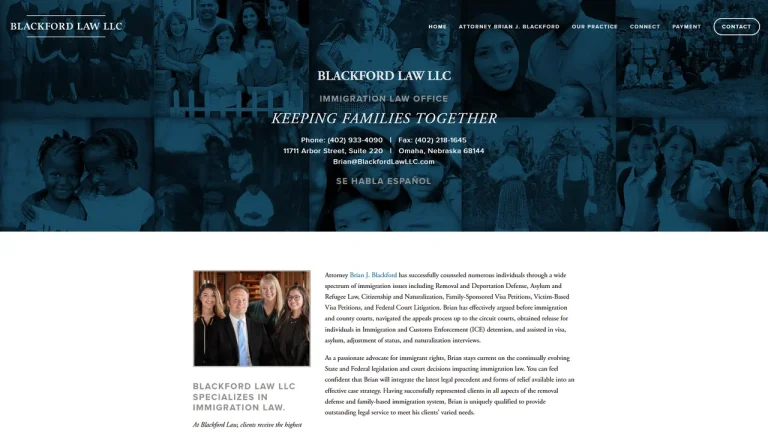
Blackford Law LLC - Omaha, NE

Curley Immigration Law, PC LLO - Omaha, NE
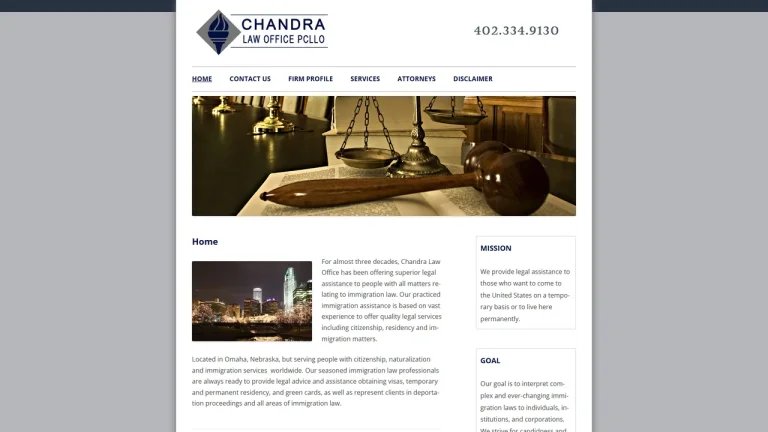
Chandra Law Office, PCLLO - Omaha, NE
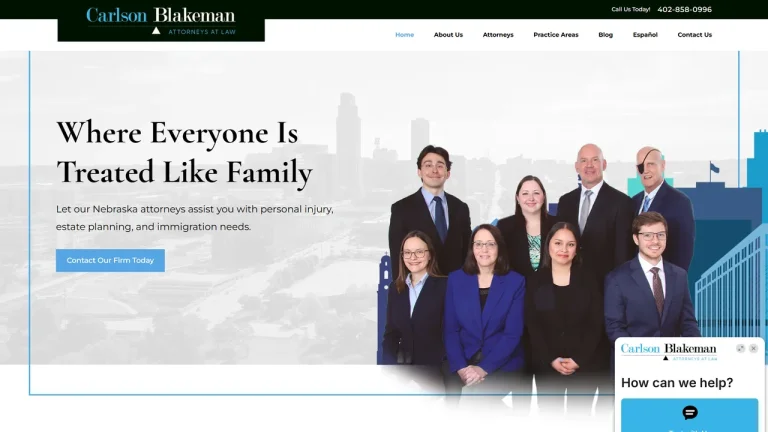
Carlson & Blakeman, LLP - Omaha, NE
Securing U.S. Citizenship Through Omaha Legal Counsel
Becoming a United States citizen is a transformative milestone for foreign-born professionals, meatpacking workers, and multi-generational families residing throughout Omaha and Douglas County. From historic cultural corridors in South Omaha and Downtown to suburban communities in Benson, Dundee, and West Omaha, lawful permanent residents face intricate federal regulations on their path to naturalization.
Naturalization matters in Omaha are administered by the Department of Homeland Security through the USCIS Omaha Field Office, located at 1717 S 10th Street. For contested applications, naturalization appeals, or federal lawsuits regarding excessive administrative delays, jurisdiction rests with the U.S. District Court for the District of Nebraska at the Roman L. Hruska Federal Courthouse on South 18th Plaza in Downtown Omaha.
Retaining an experienced Omaha citizenship lawyer ensures that Form N-400 filings are meticulously prepared. Skilled legal counsel helps applicants navigate prior tax complications, address minor criminal citations from Douglas County Court, and prepare for rigorous civics and English examinations, minimizing the threat of procedural delays or denials.
Omaha Citizenship & Naturalization Legal Fee Benchmarks
| Case Scenario | Fee Structure | Estimated Cost (USD) | Key Cost Determinants |
|---|---|---|---|
| Routine Form N-400 Naturalization (Standard five-year or three-year marital naturalization) | Flat Fee ($1,200 - $2,500) | $1,200 - $2,500 | Physical presence verification, foreign travel history, civics and English interview preparation. |
| Naturalization with Criminal or Tax Complexities (Past Douglas County misdemeanors, IRS tax liens, child support audits) | Flat Fee or Hourly ($250 - $425/hr) with Retainer | $2,500 - $6,000+ | Good moral character evidence assembly, certified court docket analysis, tax repayment plan filings. |
| N-648 Medical Disability Waiver Filings (Physical, developmental, or mental impairment test exemptions) | Flat Fee ($1,500 - $3,500) | $1,500 - $3,500 | Clinical medical documentation, coordination with Omaha physicians, attorney interview appearance. |
| Administrative Denials & Federal Court Review (Form N-336 Hearings & 8 U.S. Code § 1447(b) Federal Litigation) | Hourly ($300 - $525/hr) with Retainer ($5,000 - $12,500) | $6,000 - $18,000+ | Legal error briefing, federal complaint filings in Roman L. Hruska Courthouse, trial hearings. |
Critical Legal Deadlines & Statutes in Nebraska
Navigating the naturalization process requires strict compliance with federal statutory guidelines. Under 8 U.S. Code § 1427, lawful permanent residents must reside continuously in the United States for five years (or three years if married to a U.S. citizen under 8 U.S. Code § 1430), with at least 30 months of physical presence (18 months for spouses) and three months in Nebraska prior to filing.
Under 8 U.S. Code § 1101, applicants must demonstrate good moral character during the statutory residency period. Unpaid taxes, unpaid child support, or criminal convictions can trigger mandatory statutory bars. When an application is denied by USCIS, 8 C.F.R. § 336.2 establishes that the applicant must file a Form N-336 request for an administrative review hearing before an immigration officer within 30 calendar days of receiving the decision.
Furthermore, if USCIS conducts your examination but fails to render an adjudication within 120 days, 8 U.S. Code § 1447 gives the applicant the statutory right to file a lawsuit in the U.S. District Court for the District of Nebraska in Omaha to compel a judicial decision. Applicants with physical or developmental disabilities can request a waiver of the English and civics requirements under 8 U.S. Code § 1423 by submitting Form N-648 certified by a licensed physician.
Small Claims Limits vs. Professional Representation in Citizenship Cases
Nebraska small claims courts operate under Neb. Rev. Stat. § 25-2802 with a monetary cap of $7,500. These courts handle strictly private civil property disputes and possess zero jurisdiction over federal naturalization, immigration petitions, or USCIS appeals.
Attempting to complete the naturalization process pro se is fraught with risk. An innocent omission regarding travel history, a poorly documented prior arrest in Douglas County Court, or an inaccurate answer regarding selective service registration can be construed as false testimony by USCIS adjudicators under 8 U.S. Code § 1101. A denial not only results in lost application fees but can lead to a Notice to Appear (NTA) in immigration court under 8 U.S. Code § 1227. A dedicated Omaha citizenship lawyer reviews your background thoroughly, accompanies you to the USCIS Omaha Field Office, and safeguards your legal status.
Red Flags When Hiring an Omaha Citizenship Lawyer
- Promises of Guaranteed Approvals or Insider Processing: Ethical rules enforced by the Nebraska State Bar Association forbid guaranteeing case outcomes; USCIS adjudicators review each petition on its individual merits.
- Non-Attorney Notarios and Document Preparers: In Nebraska, only attorneys licensed by a state bar or Department of Justice accredited representatives may provide legal advice on immigration forms; relying on unaccredited consultants often leads to devastating filing errors.
- Failure to Review Complete Criminal and Tax Dispositions: An attorney who files Form N-400 without obtaining certified copies of all Douglas County Court records and IRS tax transcripts risks subjecting you to immediate denial.
- Opaque Retainer Agreements with Hidden Interview Fees: Ensure your written contract explicitly details whether in-person representation at the USCIS Omaha Field Office on 10th Street is included in the initial flat fee.
Frequently Asked Questions
Where do Omaha residents attend their naturalization interview and exam?
Naturalization interviews, civics exams, and initial biometric processing are held at the USCIS Omaha Field Office located at 1717 S 10th Street in Omaha. Legal counsel can accompany you to this interview to protect your rights.
Can past criminal citations in Douglas County prevent me from becoming a citizen?
Certain offenses-including domestic assault, drug infractions, or crimes involving moral turpitude-can bar a finding of good moral character under 8 U.S. Code § 1101. An attorney must review certified court dispositions from the Douglas County Courthouse before submitting Form N-400.
What should I do if USCIS takes more than 120 days to decide my naturalization case?
Under 8 U.S. Code § 1447, if USCIS fails to adjudicate your application within 120 days of your interview, your attorney can file a federal complaint in the U.S. District Court for the District of Nebraska in Omaha, asking a federal judge to decide your case.
Are there age-based exemptions for the English language naturalization test?
Yes. Applicants aged 50 or older who have held a green card for at least 20 years, or aged 55 or older with at least 15 years of permanent residency, are exempt from the English language requirement and may take the civics exam in their native language.
How does continuous residence differ from physical presence under immigration law?
Continuous residence under 8 U.S. Code § 1427 refers to maintaining a primary domicile in the United States without extended absences of six months or more. Physical presence requires being physically on U.S. soil for at least 30 months out of the statutory five-year period.