
Theft & Burglary Defense Lawyers in Manchester
Charged with theft or burglary in Manchester? Connect with top Hillsborough County defense lawyers to challenge the prosecution and protect your clean record. Skilled legal counsel can dispute property valuations, challenge unlawful searches, and negotiate restitution or diversion agreements to avoid jail time. Browse our directory below to schedule a confidential case consultation with a local defense attorney today.

The DWI Defense Legal Group - Manchester, NH

New Hampshire Public Defender - Manchester, NH
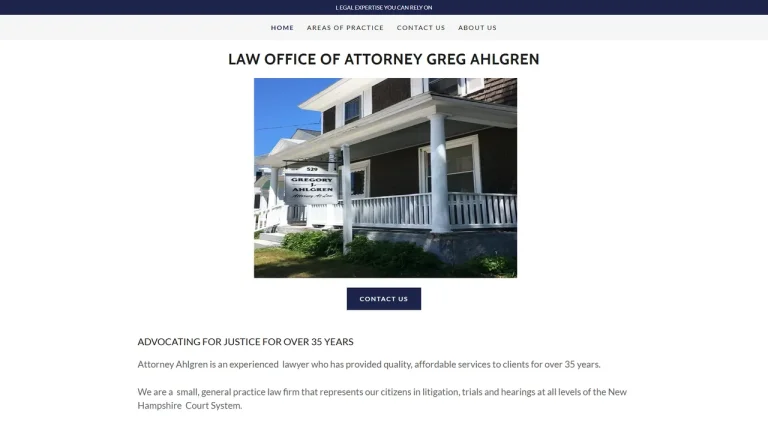
Gregory Ahlgren - Manchester, NH

Attorney Richard Monteith - Manchester, NH

Cynthia P Gilman Law Office - Manchester, NH

Brennan Lenehan Iacopino & Hickey - Manchester, NH

Keith Mathews, Attorney at Law - Manchester, NH

Tamayo Law Firm, PLLC - Manchester, NH

George T. Campbell, Attorney at Law - Manchester, NH

Navigating Theft and Burglary Defense in Manchester and Hillsborough County
Facing theft or burglary accusations in Manchester can result in profound disruptions to your career, civil rights, and personal liberty. As New Hampshire's primary commercial hub-featuring heavy retail activity along South Willow Street, commercial warehouses in the Millyard, and dense residential housing throughout the Center City-the Queen City experiences strict property crime enforcement by the Manchester Police Department and Hillsborough County prosecutors.
Property crime offenses are routed through specific judicial divisions based on alleged property values and unlawful entry elements. Misdemeanor shoplifting, willful concealment, and low-level theft charges are handled in the 9th Circuit Court - District Division - Manchester at 35 Amherst Street. More serious property felonies-such as grand theft, commercial burglary, or residential burglary-are prosecuted by the Hillsborough County Attorney's Office in the Hillsborough County Superior Court Northern District at 300 Chestnut Street.
Retaining a dedicated Manchester theft and burglary defense attorney provides critical protection from the moment of arrest or investigation. An attorney can challenge whether the prosecution can prove criminal intent, challenge unlawful vehicle or residential searches under state search and seizure protections, negotiate restitution agreements with property owners, and explore pretrial diversion programs to prevent a permanent criminal conviction.
Common Fee Structures for Theft & Burglary Defense in Manchester
| Case Scenario | Fee Structure | Estimated Cost (USD) | Key Cost Determinants |
|---|---|---|---|
| Shoplifting & Willful Concealment (District Division) | Flat Fee | $2,000 - $4,500 | Store surveillance video review, diversion program negotiation, merchant restitution |
| Misdemeanor Theft by Unauthorized Taking (Under $1,000) | Flat Fee | $2,500 - $5,000 | Proof of intent, civil compromise discussions, City Solicitor negotiations |
| Felony Grand Theft / Identity Theft (Superior Court) | Retainer + Hourly ($275 - $500/hr) | $6,000 - $16,000+ | Property valuation challenges under RSA 637:11, accounting records, grand jury defense |
| Residential or Commercial Burglary Defense (Class A/B) | Retainer + Hourly ($325 - $550/hr) | $8,500 - $25,000+ | Unlawful entry disputes, lack of felonious intent, forensic fingerprint and DNA review |
Critical Legal Deadlines & Statutes in New Hampshire
Property offenses in Manchester are categorized under New Hampshire's Criminal Code based on precise statutory thresholds. Theft by unauthorized taking or transfer is codified under N.H. Rev. Stat. Ann. § 637:3, which prohibits obtaining or exercising unauthorized control over property with purpose to deprive the owner. Grading of theft offenses is governed by N.H. Rev. Stat. Ann. § 637:11: theft is classified as a Class A felony if the value exceeds $1,500 or involves a firearm; a Class B felony if the value exceeds $1,000 or the defendant has two prior theft convictions; and a Class A misdemeanor if the property is valued at $1,000 or less. Retail shoplifting is penalized under the willful concealment statute codified at N.H. Rev. Stat. Ann. § 644:17.
Burglary charges involve separate statutory elements governed by N.H. Rev. Stat. Ann. § 635:1, which defines burglary as entering an occupied structure without license with purpose to commit a crime therein. Burglary is elevated to a Class A felony if committed at night, in a dwelling, or while armed with a deadly weapon. Prosecutions must comply with statutory deadlines: felony theft and burglary indictments must be filed within 6 years under N.H. Rev. Stat. Ann. § 625:8(1)(a), while misdemeanor theft charges must be brought within 1 year under N.H. Rev. Stat. Ann. § 625:8(1)(c). Once an eligible sentence is satisfied, individuals may seek to clear their record through an annulment petition under N.H. Rev. Stat. Ann. § 651:5.
Small Claims Limitations vs. Professional Criminal Defense
The 9th Circuit Court - District Division - Manchester adjudicates small claims matters up to $10,000 pursuant to N.H. Rev. Stat. Ann. § 503:1. While a merchant or property owner may file a civil suit in small claims to recover economic losses, that venue has zero jurisdiction over criminal theft charges, bail determinations, or burglary indictments.
Attempting self-representation in criminal court against experienced city or county prosecutors introduces substantial peril. A theft conviction creates an indelible crime of moral turpitude on your record, severely damaging employment prospects, professional licensing, and housing opportunities. An experienced Manchester theft defense attorney scrutinizes valuation appraisals to reduce felony charges to misdemeanors, identifies gaps in eyewitness identification, and advocates for diversion or dismissed charges through negotiated civil compromises.
Red Flags to Avoid When Selecting a Theft & Burglary Lawyer
- Attorneys who fail to review store surveillance video or police bodycam recordings before counseling you to accept a plea agreement.
- Lawyers who do not challenge inflated retail valuation appraisals submitted by merchants under RSA 637:11.
- Firms lacking recent defense experience in both the 9th Circuit Court and the Hillsborough County Superior Court Northern District.
- Unclear retainer contracts that do not disclose whether costs for private investigator interviews or forensic auditing are included in the initial fee.
Frequently Asked Questions
What is the dollar threshold for felony theft in New Hampshire?
Under N.H. Rev. Stat. Ann. § 637:11, theft is a Class B felony if the value of property stolen exceeds $1,000, and a Class A felony if the value exceeds $1,500. Thefts of $1,000 or less are classified as Class A misdemeanors.
What constitutes burglary under New Hampshire law?
Under N.H. Rev. Stat. Ann. § 635:1, burglary occurs when an individual enters a building or occupied structure without license with the purpose to commit a crime therein.
Can a first-time shoplifting charge be dismissed in Manchester?
Yes. First-time offenders charged with willful concealment under N.H. Rev. Stat. Ann. § 644:17 may qualify for a diversion program or civil compromise, resulting in dismissed charges upon restitution and community service.
Where are property crime cases heard in Manchester?
Misdemeanor cases are heard at the 9th Circuit Court - District Division at 35 Amherst Street. Felony charges and jury trials are heard at the Hillsborough County Superior Court Northern District at 300 Chestnut Street.
Can a theft conviction be annulled from my New Hampshire record?
Yes. Under N.H. Rev. Stat. Ann. § 651:5, eligible individuals can petition the court to annul a theft conviction after completing all sentencing requirements and fulfilling the mandatory waiting period.