
Workplace Discrimination Lawyers in New Hampshire
Retaining an experienced New Hampshire workplace discrimination lawyer protects your career and ensures compliance with strict state administrative deadlines. Qualified counsel can often resolve contentious disputes through confidential negotiations, severance agreements, or mediation without trial. Explore our verified directory below to schedule a case evaluation with trusted local attorneys.

Devine Millimet | Attorneys at Law - Manchester, NH

Law Offices of Michael R. St. Louis - Manchester, NH
Hinckley Allen - Manchester, NH
Hinman, Howard & Kattell, LLP - Manchester, NH
McLane Middleton, Professional Association - Concord, NH
Nixon Peabody LLP - Manchester, NH
Drummond Woodsum - Manchester, NH

Alfano Law, PLLC - Concord, NH
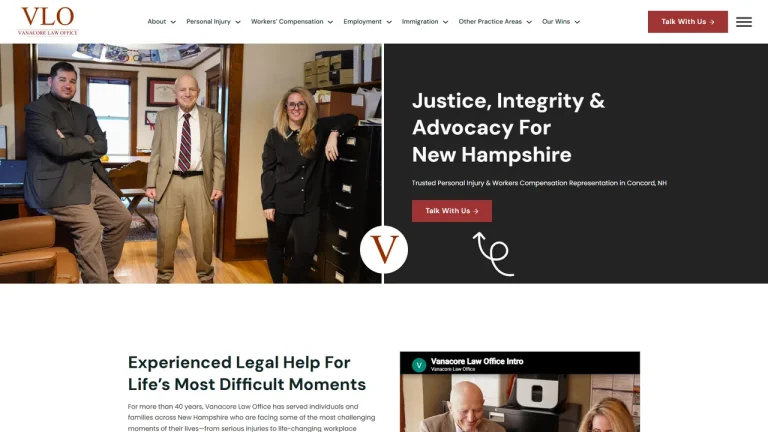
Vanacore Law Office - Concord, NH

Shaheen & Gordon, P.A. - Concord, NH
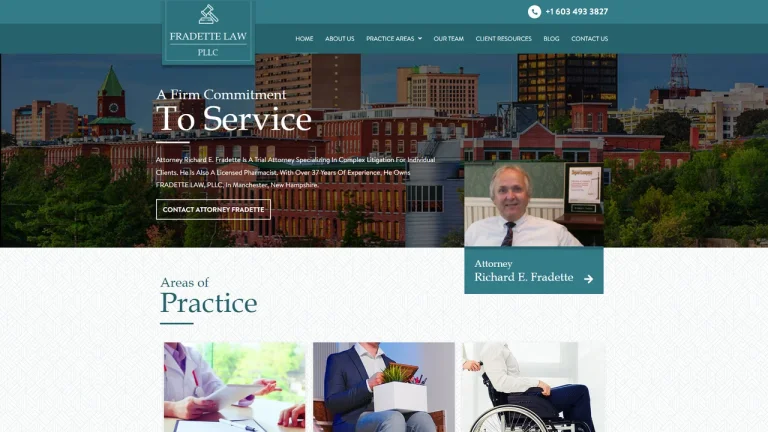
Fradette Law Office, PLLC - Manchester, NH

Sheehan Phinney Bass & Green, PA - Manchester, NH

Upton & Hatfield, LLP - Concord, NH
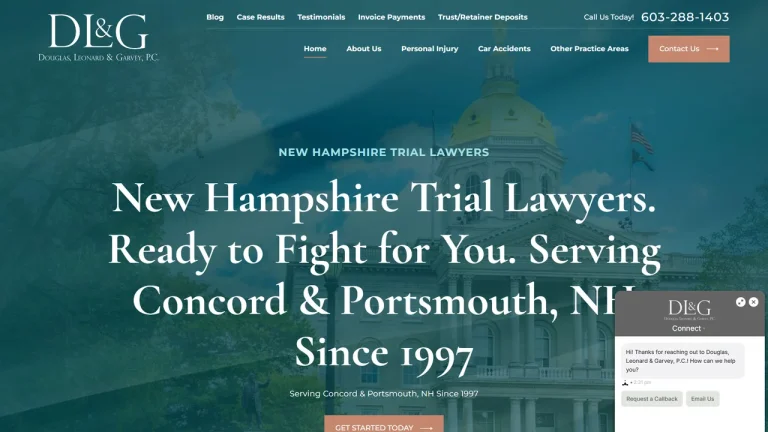
Douglas, Leonard & Garvey, P.C. - Concord, NH
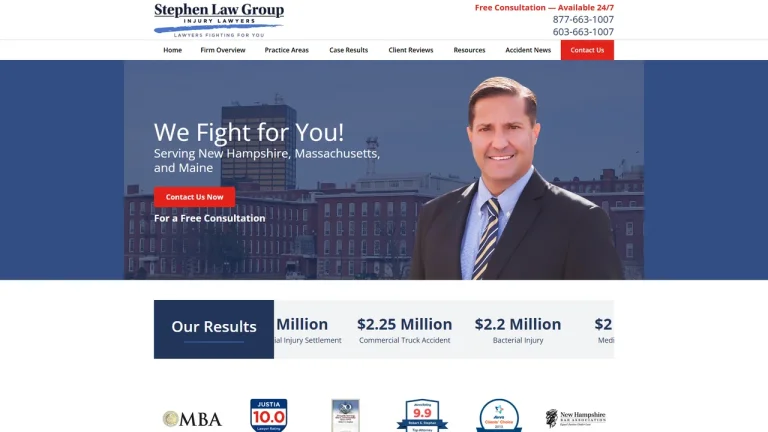
Stephen Law Group Injury Lawyers - Manchester, NH
Pastori Krans | Attorneys at Law - Concord, NH

Sheehan Phinney Bass & Green PA - Concord, NH

Ken Barnes Law Office - Concord, NH
Roy S. McCandless, Esq., PLLC - Concord, NH

Upton & Hatfield, LLP - Concord, NH
McLane Middleton, Professional Association - Manchester, NH
Navigating Workplace Discrimination Laws Across New Hampshire
Employment discrimination matters in New Hampshire demand an in-depth understanding of state administrative mandates and court operations. Before an aggrieved employee can file a civil action in court, they must generally exhaust administrative remedies through the New Hampshire Commission for Human Rights (NHCHR), located in Concord, or dual-file with the federal Equal Employment Opportunity Commission (EEOC). Navigating this mandatory process requires meticulous preparation of factual statements, witness lists, and employer communications.
Disputes that are not resolved through administrative conciliation or mediation proceed into state judicial venues, primarily the New Hampshire Superior Court. Major caseloads are handled in high-volume venues such as the Hillsborough County Superior Court (divided between Northern Division in Manchester and Southern Division in Nashua), the Merrimack County Superior Court in Concord, and the Rockingham County Superior Court in Brentwood. Federal questions are heard at the Warren B. Rudman U.S. Courthouse in Concord.
Under state statute, employers are barred from adverse employment decisions based on protected characteristics including race, color, religion, sex, disability, age, national origin, marital status, sexual orientation, or gender identity pursuant to N.H. Rev. Stat. Ann. § 354-A:7. Working with an attorney knowledgeable in local bench practices and state regulations ensures your claims are preserved and defended under New Hampshire legal standards.
New Hampshire Workplace Discrimination Legal Fee Structures
| Case Scenario | Fee Structure | Estimated Cost (USD) | Key Cost Determinants |
|---|---|---|---|
| Severance Review & Pre-Filing Settlement | Flat Fee or Hourly | $750 - $2,500 | Review of release clauses, executive status, employer willingness to negotiate |
| NHCHR Administrative Charge & Conciliation | Contingency or Hourly | $2,000 - $6,000 (or 33.3%) | Witness interview volume, rebuttal complexity, investigative conference attendance |
| Superior Court Civil Discrimination Litigation | Contingency Fee | 33.3% - 40% of Recovery | Deposition counts, expert economic loss analysis, summary judgment defense |
| Federal ADA or Title VII Jury Trial | Contingency or Hybrid | 33.3% - 40% + Case Costs | Extensive electronic discovery, motion practice, multi-day federal trial |
Critical Legal Deadlines & Statutes in New Hampshire
Strict administrative deadlines dictate the viability of workplace discrimination claims throughout New Hampshire. An aggrieved employee must file an administrative complaint with the New Hampshire Commission for Human Rights within 180 days of the alleged discriminatory act under N.H. Rev. Stat. Ann. § 354-A:21. While dual-filing under federal law can extend the EEOC window up to 300 days pursuant to 42 U.S. Code § 2000e-5, failing to satisfy the 180-day state statutory window permanently precludes state law remedies and damages.
Once the NHCHR issues a determination or a right-to-sue letter, or if the case is removed after the statutory waiting period, claimants face strict time limitations to file an action in the New Hampshire Superior Court, typically within 90 days of the agency notice. General civil torts such as intentional infliction of emotional distress or wrongful discharge are governed by the three-year personal injury limitation under N.H. Rev. Stat. Ann. § 508:4, yet statutory employment claims cannot bypass administrative agency exhaustion.
Small Claims Court vs. Retaining Legal Counsel
The New Hampshire Circuit Court, District Division maintains jurisdiction over small claims actions up to a statutory limit of $10,000 under N.H. Rev. Stat. Ann. § 503:1. While small claims offers an accessible option for isolated wage debts, it lacks the legal jurisdiction to handle workplace discrimination disputes. Small claims courts cannot grant equitable remedies, such as ordering an employer to expunge disciplinary records, enforce job reinstatement, or implement workplace anti-bias policies.
Corporate employers routinely hire experienced defense firms to dismiss unrepresented worker complaints. Successfully proving an unlawful employment action requires meeting evidentiary standards under established legal frameworks, demonstrating that the employer's stated business justification was a pretext for unlawful bias. Retaining experienced legal counsel allows you to utilize statutory discovery tools, demand personnel files under N.H. Rev. Stat. Ann. § 275:56, and pursue compensatory damages, back pay, and attorney fees.
Red Flags to Avoid When Selecting an Employment Attorney
- Guaranteed Settlement Numbers: Beware of any practitioner who guarantees specific payout figures or trial verdicts, as outcomes depend on documented damages and liability determinations.
- Unreasonable Upfront Retainers for Clear Claims: Exercise caution when a firm demands excessive upfront hourly retainers for actionable discrimination matters without evaluating contingency or fee-shifting potential.
- Lack of Direct NHCHR Experience: Avoid counsel unfamiliar with the Concord offices of the Commission for Human Rights, as procedural errors can forfeit claims before court litigation begins.
- Rushing to Sign Premature Releases: Avoid lawyers who encourage signing early settlement agreements without reviewing complete internal personnel records and comparative employee data.
Frequently Asked Questions
What is the filing deadline for workplace discrimination in New Hampshire?
Under N.H. Rev. Stat. Ann. § 354-A:21, complaints must be submitted to the New Hampshire Commission for Human Rights within 180 days of the alleged discriminatory act. Federal EEOC filings may allow up to 300 days for federal claims, but missing the 180-day state window bars state-level statutory relief.
Can an employer retaliate against me for reporting discrimination?
No. Both state statute under N.H. Rev. Stat. Ann. § 354-A:19 and federal civil rights laws strictly prohibit retaliation. It is unlawful for an employer to demote, fire, discipline, or reduce the pay of an employee who files a charge, participates in an investigation, or opposes discriminatory practices.
Does New Hampshire law protect remote workers from discrimination?
Yes. If your employment is based in New Hampshire or the adverse employment action originates from a company operating within the state, New Hampshire anti-discrimination protections apply regardless of whether you perform your work remotely or at a physical facility.
Am I entitled to inspect my personnel file before filing a complaint?
Yes. Under N.H. Rev. Stat. Ann. § 275:56, New Hampshire employees have a statutory right to inspect their complete personnel records upon written request. Employers must provide a reasonable opportunity for review and provide copies within established statutory guidelines.
How are attorney fees managed in New Hampshire discrimination cases?
Most employee-side discrimination attorneys work on a contingency fee basis, receiving a percentage of the financial recovery only if the case resolves successfully. Additionally, state and federal laws allow prevailing employees to seek court-awarded legal fees and costs directly from the employer.