
Residential Real Estate Lawyers in New Jersey
Retaining an experienced New Jersey residential real estate lawyer protects your financial investment throughout attorney review, title clearance, and closing. Qualified local attorneys negotiate property inspection repairs, resolve municipal title clouds, and secure favorable terms while keeping transactions out of contentious litigation. Browse our statewide directory to connect with verified New Jersey residential real estate attorneys and schedule your contract review today.

The Law Offices of Levitt and Kazan - Newark, NJ

HANS & Associates LLC - Edison, NJ

Alison E. Kosberg, Esq. - Edison, NJ
Central Jersey Legal Services - Trenton, NJ
Andrew Koppel, Esq - Woodbridge, NJ

Welt & Kuzemczak, LLC - Clifton, NJ

Iannarella Law, LLC - Clifton, NJ
Law Offices of Michael V. Calabro - Newark, NJ
Theodore Grezlak III, Lawyer - Jersey City, NJ

The Law Office of Savio D. Figaro, LLC - Jersey City, NJ

Admani Law - Jersey City, NJ
Law Office of Lawrence Callegari, Esq. - Paterson, NJ
Chioma Nelson PC Law Office - Jersey City, NJ
Leonard V. Cupo Attorney At Law - Jersey City, NJ
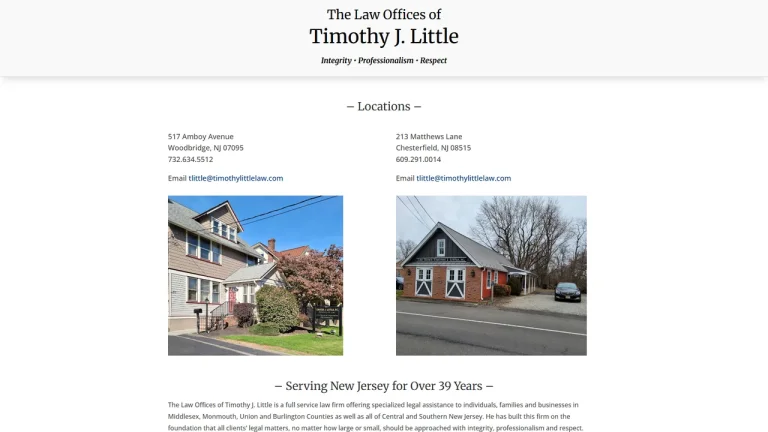
Timothy J. Little, P.C. - Woodbridge, NJ

John T. Coyle, Attorney at Law - Jersey City, NJ
Chadwick Law Firm - Newark, NJ

Seth C. Addo-Yobo, Attorney At Law - Newark, NJ

The Law Office Of Hisham Hamed, Esq - Woodbridge, NJ

Shackil Law, LLC - Paterson, NJ
Jean Baptiste & Associates LLC - Clifton, NJ
Lawrence E. Bathgate, II - Lakewood, NJ

Joseph Chang LLC - Paterson, NJ
Navigating New Jersey Residential Real Estate Practice and Procedures
Buying or selling a home in New Jersey involves distinctive statutory protections, municipal clearance rules, and strict contractual timelines. Whether purchasing a single-family home in Bergen or Morris County, closing on an urban condominium in Jersey City or Hoboken, or acquiring coastal property along the Jersey Shore in Monmouth or Ocean County, retaining dedicated residential real estate counsel is essential to safeguarding your legal title and capital.
New Jersey real estate practice is defined by a mandatory, court-established 3-day Attorney Review process. Once a standard broker contract is executed, buyers and sellers rely on legal counsel to disapprove, modify, and restructure essential terms regarding mortgage contingencies, property condition representations, and closing timelines. Transactional disputes are settled through negotiation, while formal title and boundary actions fall under the jurisdiction of the New Jersey Superior Court, Chancery Division (General Equity Part) across county vicinages.
Property recordings, mortgage instruments, and notices of settlement are filed through County Clerks or dedicated County Registers of Deeds and Mortgages in counties such as Essex, Hudson, Camden, Union, and Passaic. Licensed attorneys admitted to the New Jersey State Bar Association examine municipal lien searches, verify flood hazard designations, and ensure full compliance with the New Jersey Division of Taxation transfer fee mandates.
Common Residential Real Estate Legal Fees in New Jersey
| Case Scenario | Fee Structure | Estimated Cost (USD) | Key Cost Determinants |
|---|---|---|---|
| Single-Family Home Purchase or Sale Closing | Flat Legal Fee | $1,200 - $2,500 | Attorney review negotiation, title commitment clearance, inspection repair rider drafting, closing attendance |
| Condominium or Townhome Purchase Due Diligence | Flat Legal Fee | $1,500 - $3,000 | HOA master deed review, reserve study analysis, pending association assessments, bylaws compliance |
| Residential Title Defect Clearance & Boundary Action | Retainer + Hourly ($300 - $475/hr) | $3,500 - $10,000 | Superior Court quiet title petition, municipal encroachment surveys, uncancelled prior mortgage releases |
| Residential Lease Review & Security Deposit Dispute | Flat / Hourly | $800 - $2,500 | Anti-Eviction Act compliance, lease drafting, Special Civil Part possessory action or security deposit claim |
Critical Legal Deadlines & Statutes in New Jersey
Residential real estate purchases, sales, and residential tenancies in New Jersey must adhere to strict statutory rules and court-mandated deadlines:
- The Mandatory 3-Day Attorney Review Period: Under N.J. Admin. Code § 13:45A-16.2, both buyer and seller have 3 business days from the date the signed contract is delivered to all parties to have the contract reviewed by an attorney. An attorney can cancel or disapprove the contract for any reason during this period.
- Notice of Settlement Protection: Pursuant to N.J. Stat. Ann. § 46:26A-11, filing a formal Notice of Settlement with the County Clerk or Register preserves buyer priority against intervening encumbrances or judgments for 60 days, with a single 60-day renewal option.
- Residential Security Deposit Return Window: Under N.J. Stat. Ann. § 46:8-21.1, landlords must return a residential tenant's security deposit, plus accrued interest, within 30 calendar days of lease termination. Failure to comply can result in statutory double damages and mandatory attorney fees.
- Statute of Limitations on Real Estate Contracts: Lawsuits for breach of a residential real estate purchase and sale contract carry a 6-year statute of limitations under N.J. Stat. Ann. § 2A:14-1.
- Mansion Tax Payment: Under N.J. Stat. Ann. § 46:15-7.2, buyers purchasing residential real property where the total consideration exceeds $1,000,000 are subject to a 1% state transfer fee payable to the New Jersey Division of Taxation at the time of deed recordation.
Small Claims Limitations vs. Superior Court Real Estate Representation
Under N.J. Ct. R. 6:1-2, the Small Claims Section handles monetary disputes up to $5,000, while the Special Civil Part hears contract claims up to $20,000 and summary landlord-tenant dispossess actions. These forums are designed for discrete monetary issues, such as a tenant seeking the return of a withheld security deposit or a buyer seeking reimbursement for a minor post-closing repair.
However, small claims courts have no legal jurisdiction over real property title disputes, boundary declarations, or specific performance actions (compelling a reluctant seller to convey title). Such equitable actions fall under the exclusive jurisdiction of the New Jersey Superior Court, Chancery Division (General Equity Part) under N.J. Stat. Ann. § 2A:62-1. Furthermore, attempting to purchase a home in New Jersey without legal representation leaves buyers vulnerable once the 3-day attorney review period lapses, transforming standard broker forms into binding commitments without protections for environmental hazards or financing contingencies.
Red Flags When Hiring a Residential Real Estate Lawyer
- Missing the 3-Day Attorney Review Deadline: If an attorney fails to deliver formal written disapproval within the 3-day window under N.J. Admin. Code § 13:45A-16.2, the initial broker contract becomes fully binding, stripping away critical legal protections for mortgage underwriting and home inspection repairs.
- Overlooking Underground Storage Oil Tanks (USTs): Unregistered or abandoned underground oil tanks pose catastrophic environmental liability in New Jersey. Avoid counsel who fails to mandate an oil tank sweep and municipal records check during the inspection period.
- Unclear Settlement Charges and Pass-Through Surcharges: Ensure your lawyer provides a transparent closing retainer detailing legal fees separate from title insurance premiums, county deed recording fees, and municipal tax adjustments on the Closing Disclosure.
- Lack of Familiarity with Local Municipal Requirements: Many New Jersey municipalities enforce local Certificate of Continued Occupancy (CCO) inspections, lead-based paint certifications, and sump pump compliance ordinances before title transfer can legally occur.
Frequently Asked Questions
What is the 3-day attorney review period in New Jersey real estate?
The attorney review period is a mandatory 3-business-day window created under New Jersey Supreme Court case law and codified at N.J. Admin. Code § 13:45A-16.2. During this time, an attorney representing the buyer or seller can review, modify, or disapprove the realtor-prepared contract. If neither party's attorney acts within 3 days, the contract becomes legally binding as written.
What is the New Jersey Mansion Tax and who pays it?
Under N.J. Stat. Ann. § 46:15-7.2, a 1% fee is levied on residential property transactions with a purchase price exceeding $1,000,000. In standard New Jersey residential sales, the buyer pays this tax at closing to the County Clerk or Register on behalf of the New Jersey Division of Taxation.
What happens if an underground oil tank is found on a New Jersey property?
If an active or abandoned underground storage tank is discovered, real estate attorneys typically negotiate for the seller to professionally remove the tank, conduct soil testing, and obtain a clean No Further Action (NFA) or response action outcome letter prior to closing, avoiding severe environmental cleanup liability.
Why is a Notice of Settlement filed in New Jersey real estate closings?
Pursuant to N.J. Stat. Ann. § 46:26A-11, a Notice of Settlement is recorded with the County Clerk or Register shortly before closing. It creates a 60-day window of legal priority that protects the buyer and lender against intervening mortgages, judgments, or tax liens against the seller.
Can a residential landlord in New Jersey evict a tenant without a lawyer?
Individual landlords owning residential property in their personal name may represent themselves in the Special Civil Part under N.J. Stat. Ann. § 2A:18-61.1. However, if the rental property is owned by a corporate entity or LLC, New Jersey court rules require representation by a licensed New Jersey attorney under N.J. Ct. R. 1:21-1.