
Estate Planning Lawyers in Woodbridge
Creating a tailored estate plan in Woodbridge safeguards your assets, designates healthcare proxies, and ensures your loved ones are protected under New Jersey statutory law. Skilled Middlesex County estate planning lawyers design wills, powers of attorney, and healthcare directives to prevent court-mandated guardianships and probate disputes. Review our directory below to schedule an initial consultation with a trusted local attorney.
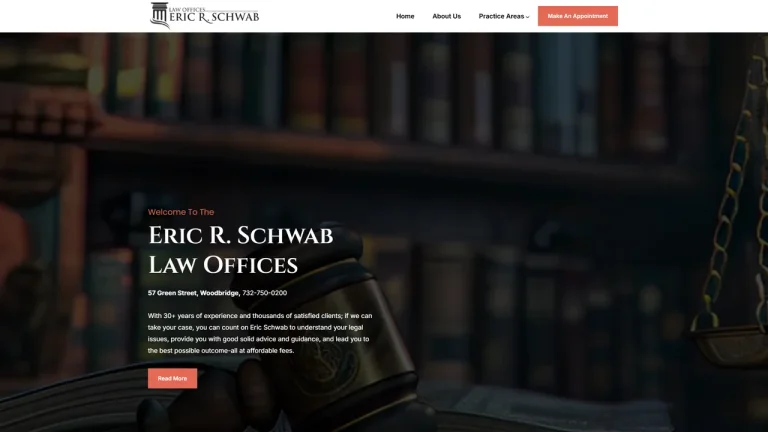
Eric Schwab Law - Woodbridge, NJ
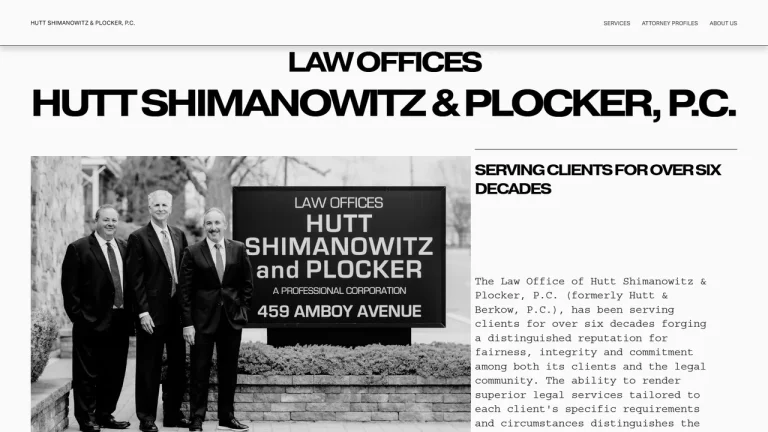
Hutt & Shimanowitz P.C. - Woodbridge, NJ
Falk, Flotteron & Davidson, LLP - Woodbridge, NJ

Wilentz, Goldman & Spitzer P.A. - Woodbridge, NJ

Scott Alevras, Attorney at Law - Woodbridge, NJ

Greenberg & Schulman - Woodbridge, NJ
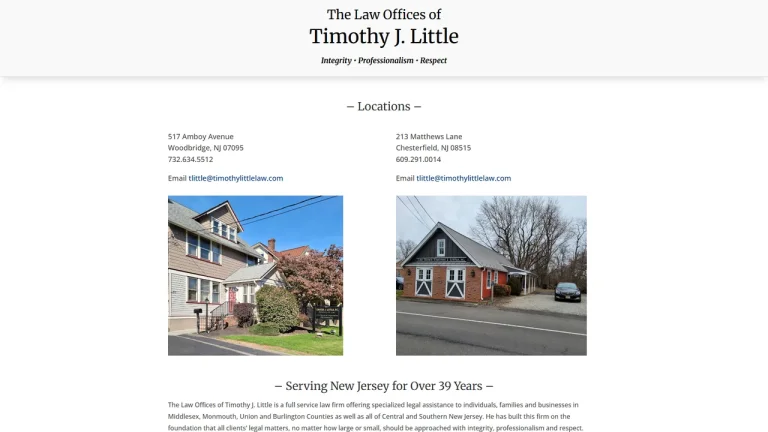
Timothy J. Little, P.C. - Woodbridge, NJ

Carrasco Quintana Law LLC - Woodbridge, NJ
Adams, Cassese & Papp L.L.C. - Woodbridge, NJ
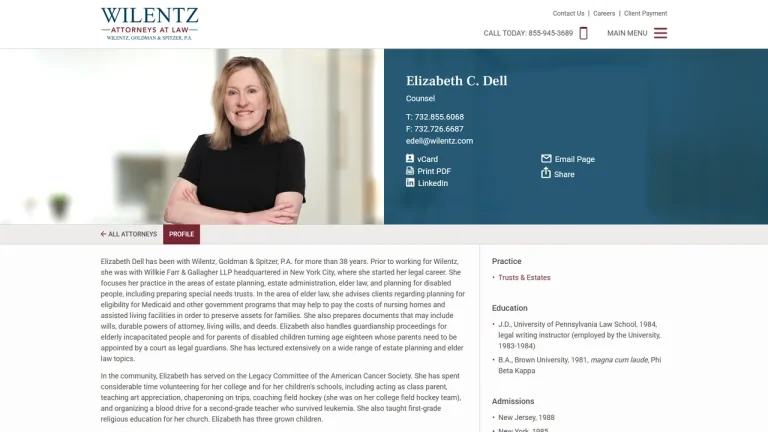
Elizabeth Connolly Dell - Woodbridge, NJ
Venezia & Nolan PC - Woodbridge, NJ

Comprehensive Estate Planning for Woodbridge Families
Estate planning is a vital legal process for residents across Woodbridge Township, including Colonia, Iselin, Fords, Avenel, Port Reading, and Hopelawn. Proactive planning ensures that your healthcare decisions are respected during medical emergencies, your financial affairs remain managed without court interruption, and your real estate and personal assets transfer smoothly to chosen beneficiaries.
Estate documents must comply strictly with New Jersey statutory requirements and the procedural expectations of the Middlesex County Surrogate's Court, located at 75 Bayard Street in New Brunswick. Without a clear and enforceable plan, unforeseen incapacity can force your loved ones into costly, stressful adult guardianship proceedings in the Superior Court of New Jersey, Chancery Division, Probate Part at 56 Paterson Street in New Brunswick.
An experienced Woodbridge estate planning attorney crafts an integrated set of core documents, including a Last Will and Testament, Durable Financial Power of Attorney, and Advance Healthcare Directive (Living Will and Healthcare Proxy). Local counsel ensures your designations reflect current New Jersey law, protecting your family against statutory inheritance taxes and unnecessary administrative hurdles.
Estate Planning Packages and Legal Cost Determinants
Estate planning services in Woodbridge are typically provided on predictable, transparent flat-fee arrangements tailored to the size and complexity of your family's assets.
| Case Scenario | Fee Structure | Estimated Cost (USD) | Key Cost Determinants |
|---|---|---|---|
| Individual Estate Plan (Will, POA, Healthcare Directive) | Flat Fee | $1,200 - $2,500 | Specific beneficiary bequests, minor child guardian designations, living will healthcare choices. |
| Married Couple Reciprocal Plan (Joint Wills, POAs, Directives) | Flat Fee | $1,800 - $3,500 | Contingent beneficiary designations, testamentary minor trusts, digital asset authorization. |
| High-Net-Worth / Blended Family Planning Package | Blended Flat / Hourly | $3,500 - $7,500 | QTIP trusts for blended families, business succession terms, inheritance tax minimization clauses. |
| Adult Guardianship Application (Incapacity Relief) | Retainer / Hourly | $350 - $600 per Hour ($4,000 - $8,000 Retainer) | Chancery Division petition, court-appointed independent attorney, dual physician certifications. |
Critical Legal Deadlines & Statutes in New Jersey
Estate planning documents in New Jersey must adhere to exacting statutory formal requirements. Under N.J.S.A. § 3B:3-2, a valid will must be in writing, signed by the testator, and witnessed by at least two individuals who sign within a reasonable time. To avoid witness tracking issues decades later, wills should include a self-proving affidavit executed before a notary public under N.J.S.A. § 3B:3-4.
Financial decision-making authority during incapacity is governed by the Revised Durable Power of Attorney Act, N.J.S.A. § 46:2B-8.1, which requires specific enumerated powers for real estate and banking transactions. Medical decision-making is authorized under the New Jersey Advance Directives for Health Care Act, N.J.S.A. § 26:2H-53. Upon a testator's death, New Jersey law protects surviving spouses from total disinheritance under the elective share statute, N.J.S.A. § 3B:8-1, which must be formally claimed within 6 months of the appointment of a personal representative. Furthermore, any applicable New Jersey Inheritance Tax return (Form IT-R) must be filed and paid within 8 months under N.J.S.A. § 54:35-1.
Holographic / Generic Wills vs. Attorney-Drafted Estate Plans
Although New Jersey recognizes holographic (handwritten) wills under N.J.S.A. § 3B:3-3, attempting to validate a handwritten or generic DIY internet will at the Middlesex County Surrogate's Court frequently causes severe delay and substantial expense. Without an official self-proving affidavit under N.J.S.A. § 3B:3-4, the Surrogate cannot immediately admit the will; the executor must track down subscribing witnesses or obtain sworn affidavits from family members familiar with the handwriting.
Furthermore, generic document templates frequently fail to address the New Jersey Inheritance Tax, codified at N.J.S.A. § 54:34-1. While spouses, parents, and children (Class A beneficiaries) are completely exempt, transfers to siblings, nieces, nephews, and domestic partners are subject to state taxes between 11% and 16%. In addition, DIY templates regularly fail to establish testamentary trusts under N.J.S.A. § 3B:12-13 to manage inheritances for minor children, leading to court-managed funds that distribute outright at age 18. An experienced lawyer structures protective terms that protect your beneficiaries and respect your precise intentions.
Red Flags When Choosing an Estate Planning Attorney
- Failing to execute a formal Self-Proving Affidavit at the time of will signing, which forces witnesses to appear in person before the Middlesex County Surrogate's Court years later.
- Drafting generic powers of attorney that lack explicit statutory authorizations for real estate conveyance, digital asset management, or banking transactions in New Jersey.
- Overlooking New Jersey Inheritance Tax implications for siblings, nieces, nephews, and non-relative beneficiaries.
- Pushing expensive, convoluted revocable trust systems for modest estates where a streamlined will and updated beneficiary designations achieve identical objectives.
Frequently Asked Questions
What core legal documents are included in a standard Woodbridge estate plan?
A comprehensive estate plan includes a Last Will and Testament, a Durable Financial Power of Attorney under N.J.S.A. § 46:2B-8.1, and an Advance Directive for Health Care (Living Will and Healthcare Proxy) under N.J.S.A. § 26:2H-53.
Does New Jersey still have an estate tax or inheritance tax?
The New Jersey Estate Tax was repealed in 2018. However, the New Jersey Inheritance Tax remains active under N.J.S.A. § 54:34-1. Transfers to Class A beneficiaries (spouse, children, grandchildren) are completely exempt, but transfers to siblings, friends, and other relatives are taxed between 11% and 16%.
What happens if a Woodbridge resident dies without an estate plan?
If you die without a will (intestate), your property is distributed according to New Jersey intestacy statutes under N.J.S.A. § 3B:5-3. The Middlesex County Surrogate appoints an administrator, and statutory formulas determine who receives your assets, regardless of your personal wishes.
Can an Advance Healthcare Directive prevent a court guardianship?
Yes. By designating a trusted healthcare proxy under N.J.S.A. § 26:2H-53 while you have legal capacity, your designated agent can make medical decisions on your behalf without family members having to file an expensive guardianship lawsuit in Chancery Court.