
Trusts Lawyers in New Mexico
Working with an experienced New Mexico trusts lawyer ensures your family assets are protected and smoothly transferred outside of public probate proceedings. Qualified legal counsel can resolve trustee and beneficiary disputes through negotiation and mediation, avoiding prolonged courtroom litigation. Explore our directory below to connect with trusted New Mexico trust attorneys.

Bischoff & Bischoff Law, P.A. - Albuquerque, NM
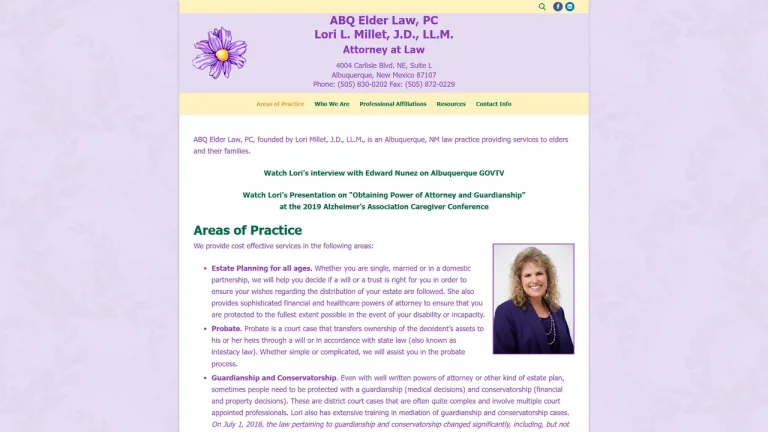
ABQ Elder Law PC - Albuquerque, NM

Matthew Watson Civil Law Attorney LLC - Las Cruces, NM

The Law Offices of Dana M. Kyle, P.A. - Las Cruces, NM
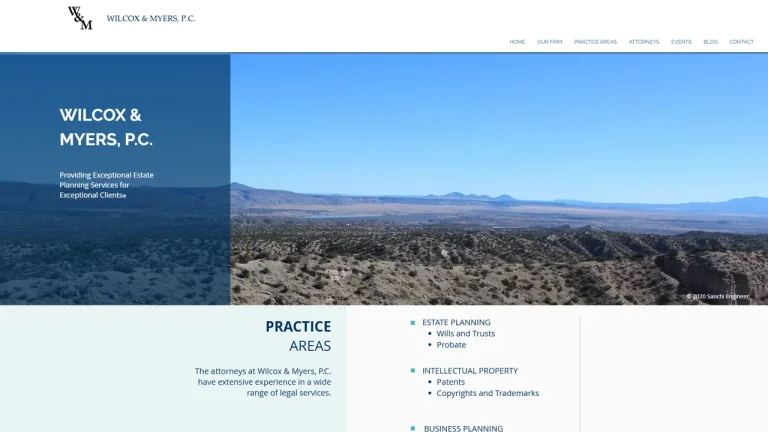
Wilcox & Myers, P.C. - Albuquerque, NM

Romero Legal Group PC - Albuquerque, NM

Walk-In Wills - Santa Fe, NM

Rio Grande Estate Planning, LLC - Las Cruces, NM

Karen E. Wootton Legal Services, P.C. - Las Cruces, NM

ScottHulse PC - Las Cruces, NM

Baker Law Group, PLLC - Albuquerque, NM

Lighthouse Law LLC - Albuquerque, NM

Bates Law Firm - Las Cruces, NM

Joshua Dwyer | Attorney at ScottHulse PC - Las Cruces, NM

Streeter Law Firm - Las Cruces, NM
E-Law P.C. - Las Cruces, NM

Robert Richards, Esq. - Santa Fe, NM

Gluth Law, Attorney - Las Cruces, NM
Albuquerque Legal & Fiduciary - Albuquerque, NM

New Mexico Probate and Estate Lawyers - Albuquerque, NM

Catron, Catron & Glassman PA, Santa Fe, NM

The Law Office of Charles A. Scott, LLC, Santa Fe, NM
Hurley, Toevs, Styles, Hamblin & Panter, PA - Albuquerque, NM

Trust Administration and Judicial Oversight in New Mexico
Trust creation, management, and litigation across New Mexico operate under the comprehensive framework of the New Mexico Uniform Trust Code codified under N.M. Stat. Ann. § 46A-1-101. Whether establishing a revocable living trust in Albuquerque, administering an irrevocable asset protection instrument in Santa Fe, or managing family ranch holdings in Doña Ana County, trusts provide private asset control and bypass court administration when properly funded.
Unlike simple wills, trust oversight and contested proceedings do not belong in county probate courts. In New Mexico, judicial authority over trust disputes-such as trustee removal petitions, breach of fiduciary duty lawsuits, and judicial modifications-is vested exclusively in the New Mexico District Court. Major proceedings are handled in regional venues including the Second Judicial District Court in Bernalillo County, the First Judicial District Court in Santa Fe County, and the Third Judicial District Court in Las Cruces. Engaging an experienced trusts attorney ensures that fiduciary accounts comply with statutory standards, protecting trustees from personal liability and shielding beneficiaries from asset mismanagement.
Because New Mexico is a community property state, trust drafting must harmonize with N.M. Stat. Ann. § 40-3-8. Failure to account for community property rights can unintentionally transmute assets, leading to tax penalties and disputed distributions. Attorneys licensed by the State Bar of New Mexico navigate the state's Odyssey File & Serve court portal to file petitions or defend trust agreements in full compliance with local rules of civil procedure.
Typical New Mexico Trust Legal Fees & Service Costs
| Case Scenario | Fee Structure | Estimated Cost (USD) | Key Cost Determinants |
|---|---|---|---|
| Revocable Living Trust Package | Flat Fee | $1,500 - $4,000 | Number of real estate deeds, community property agreements, pour-over will drafting. |
| Irrevocable Asset Protection & Special Needs Trust | Hourly or Enhanced Flat Fee | $3,500 - $8,500 | Medicaid eligibility coordination, tax planning provisions, spendthrift protections. |
| Trust Administration & Fiduciary Defense | Hourly Rate ($275 - $550/hr) | $3,000 - $12,000 | Creditor notice requirements, accounting complexity, beneficiary release negotiation. |
| Contested Trust Litigation & Trustee Removal | Staged Retainer & Hourly | $15,000 - $60,000+ | District Court trial duration, forensic accounting, discovery volume, capacity challenges. |
Critical Legal Deadlines & Statutes in New Mexico
Trust administration in New Mexico is governed by strict statutory deadlines for challenging trust validity and asserting fiduciary claims. Under N.M. Stat. Ann. § 46A-6-604, an action to contest the validity of a revocable trust following the settlor's death must be commenced within one year after the settlor's death, or within 120 days after the trustee sends the beneficiary a formal notice detailing the trust's existence, the trustee's contact details, and a copy of the trust agreement.
Statutory timelines also protect trustees who deliver formal accountings. Under N.M. Stat. Ann. § 46A-10-1005, a beneficiary is barred from suing a trustee for breach of trust after one year if the trustee provided a report that adequately disclosed the existence of a potential claim and informed the beneficiary of the time allowed for commencing a proceeding. In the absence of an adequate report, claims against the trustee are governed by a five-year statute of repose running from the date the trust terminates, the trustee resigns, or the fiduciary relationship ends.
Creditor claims against revocable trusts following a settlor's death are regulated by N.M. Stat. Ann. § 46A-5-505. When an estate lacks sufficient assets to satisfy valid debts, the revocable trust becomes subject to creditor claims within the statutory probate claim windows, making formal notice to creditors essential.
Small Claims Limits vs. Professional Representation in New Mexico
In New Mexico, small claims and minor debt disputes are adjudicated in the Bernalillo County Metropolitan Court under N.M. Stat. Ann. § 34-8A-3 or local Magistrate Courts under N.M. Stat. Ann. § 35-3-3, each capped at a $10,000 jurisdictional ceiling. However, neither the Metropolitan Court nor any Magistrate Court possesses legal jurisdiction over trust agreements, fiduciary obligations, or equitable property declarations.
Trust matters require filing directly in the New Mexico District Court. Attempting to draft a trust without qualified legal counsel or handling trust disputes pro se exposes settlors and trustees to severe risks. In New Mexico, self-drafted online trust kits regularly fail to properly fund real estate into the trust, leaving real property subject to mandatory probate. Furthermore, self-administered trusts often breach fiduciary accounting duties under the Uniform Trust Code, exposing trustees to personal liability for surcharge damages. Retaining an experienced New Mexico trusts attorney guarantees that community property rights are preserved, assets are properly deeded, and fiduciary risks are minimized.
Red Flags When Hiring a New Mexico Trusts Lawyer
- Lawyers who create living trusts but fail to prepare and record the deeds needed to transfer your New Mexico real property into the trust.
- Attorneys who overlook New Mexico community property rules under state statutes, risking adverse tax consequences for surviving spouses.
- Firms guaranteeing total creditor immunity or complete elimination of estate taxes through standardized boilerplate trusts.
- Lack of itemized fee agreements detailing whether trust funding assistance and future amendment consultations are included.
Frequently Asked Questions
Does a revocable living trust avoid probate in New Mexico?
Yes, assets properly titled in the name of a revocable living trust pass directly to named beneficiaries without going through the New Mexico probate court system, maintaining privacy and preventing statutory probate delays.
What is the statutory deadline to contest a trust in New Mexico?
Pursuant to N.M. Stat. Ann. § 46A-6-604, a contest must be filed within one year of the settlor's death, or within 120 days if the trustee delivered formal written notice and a complete copy of the trust agreement.
How does New Mexico community property law impact trust planning?
Under N.M. Stat. Ann. § 40-3-8, property acquired during marriage is presumed to be community property. A trust must clearly maintain this characterization to ensure surviving spouses receive the full double step-up in tax basis upon the first spouse's death.
Can a trustee be removed for breach of duty in New Mexico?
Yes, under N.M. Stat. Ann. § 46A-7-706, the New Mexico District Court can remove a trustee for committing a serious breach of trust, persistent failure to administer the trust effectively, or substantial unfitness or inability to manage trust assets.
Must a trust be recorded with the county clerk in New Mexico?
No, the trust agreement itself remains private and is not recorded. However, when transferring real estate into or out of the trust, a warranty deed or Certificate of Trust under N.M. Stat. Ann. § 46A-10-1013 must be recorded in the county where the property is situated.