
Copyright Lawyers in New York
Retaining an experienced New York copyright lawyer protects your creative intellectual property and defends against infringement across state and federal venues. Skilled intellectual property attorneys resolve licensing disputes, DMCA takedowns, and ownership conflicts through pre-litigation negotiation or federal court actions. Explore our verified directory below to consult an established New York copyright attorney.

Heslin Rothenberg Farley & Mesiti - Rochester, NY

Robinson & Cole LLP - Albany, NY
Heslin Rothenberg Farley & Mesiti P.C. - Albany, NY
Pardalis and Nohavicka Lawyers - NYC, New York
Lillie N. Nkenchor P.C. - NYC, New York

Bold Patents Law Firm - Rochester, NY
Meister Seelig & Fein PLLC - NYC, New York
Olshan Frome Wolosky LLP - NYC, New York
Xu Law Group PLLC - NYC, New York
Hodgson Russ LLP - Albany, NY

Newman & Lickstein, LLP - Syracuse, NY
Law Office of Biana Borukhovich, PLLC - NYC, New York

Phillips Lytle LLP - Albany, NY - Albany, NY
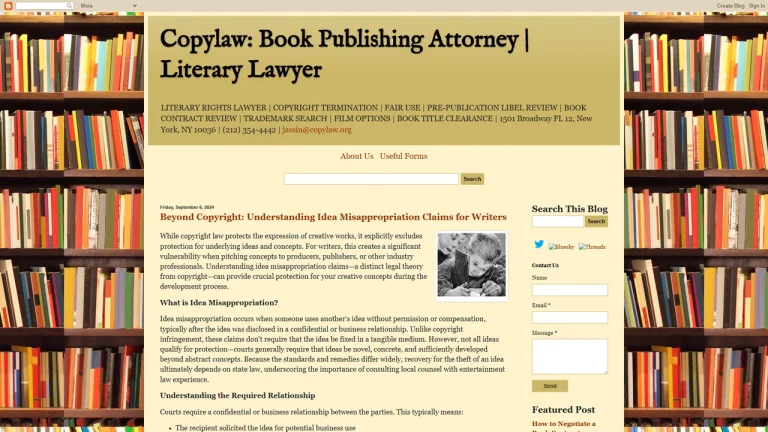
Law Offices of Lloyd J. Jassin - NYC, New York
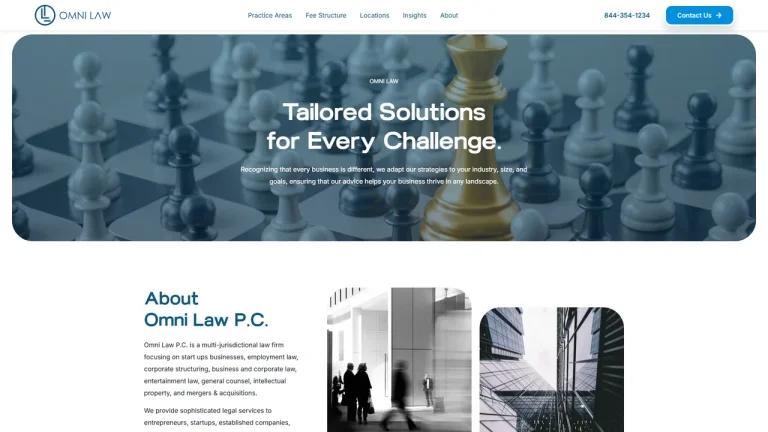
Omni Law P.C. - NYC, New York
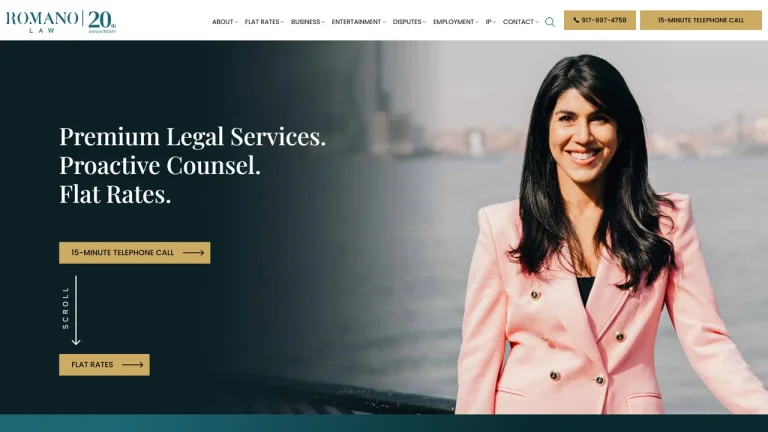
Romano Law - NYC, New York

Barclay Damon LLP - Syracuse, NY
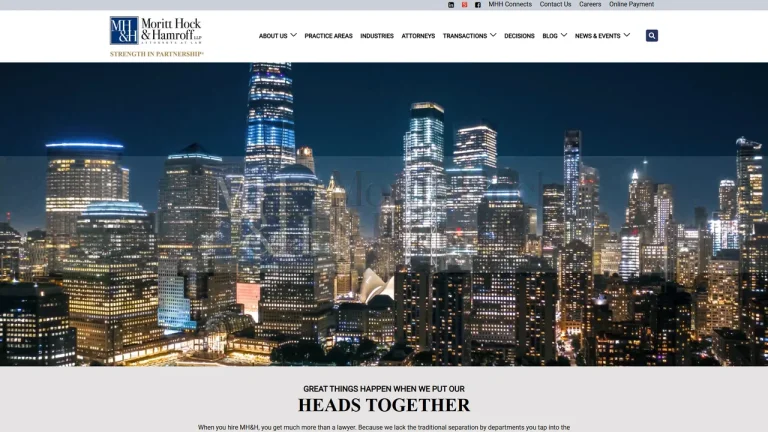
Moritt Hock & Hamroff LLP - NYC, New York
Lee Palmateer Law Office LLC - Albany, NY
Goodwin Procter LLP - NYC, New York
EK Law Office PLLC - NYC, New York

Harter Secrest & Emery LLP - Rochester, NY
Cohn Legal, PLLC - NYC, New York
The Jurisdictional and Federal Framework for New York Copyright Matters
The State of New York serves as a global center for media, publishing, fashion, digital entertainment, visual arts, and commercial advertising. Protecting original works of authorship across the state-from Manhattan's creative agencies and Brooklyn's digital studios to tech hubs in the Capital District and western creative communities in Buffalo and Rochester-requires sophisticated navigation of federal intellectual property law.
Under federal jurisprudence, copyright infringement claims fall under the exclusive original jurisdiction of the United States federal district courts pursuant to federal statutory authority. In New York, copyright litigation is concentrated primarily in the United States District Court for the Southern District of New York (SDNY), widely recognized as the premier intellectual property trial venue in the nation. Federal copyright actions are also litigated extensively in the Eastern District of New York (EDNY), the Northern District of New York (NDNY) in Albany and Syracuse, and the Western District of New York (WDNY) in Buffalo, with appellate review conducted by the United States Court of Appeals for the Second Circuit at Foley Square.
While copyright infringement is strictly federal, ancillary state claims involving breach of publishing contracts, licensing royalty defaults, trade secret misappropriation, and commercial misappropriation under New York common law proceed in the New York State Supreme Court across the state's 62 counties, coordinated through the New York State Courts Electronic Filing (NYSCEF) system.
Legal Fee Structures for New York Copyright Representation
| Case Scenario | Fee Structure | Estimated Cost (USD) | Key Cost Determinants |
|---|---|---|---|
| Copyright Registration & Portfolio Audit | Flat Fee | $400 - $1,200 | Number of works, single versus group registrations, expedited examination requests. |
| Cease-and-Desist Demand & DMCA Enforcement | Flat Fee / Hourly | $1,500 - $4,500 | Evidence preservation depth, online service provider counter-notices, licensing negotiations. |
| Copyright Claims Board (CCB) Small Claim | Flat Retainer / Hourly | $3,000 - $8,500 | Respondent opt-out risk, document exchange scope, statutory damage caps up to $30,000. |
| Federal Court Infringement Litigation (SDNY/EDNY) | Hourly Retainer / Contingency | $15,000 - $75,000+ / Contingency | Willful infringement proof, temporary restraining orders, preliminary injunction hearings. |
Critical Legal Deadlines & Statutes in New York
Copyright protection and enforcement operate under strict statutory timelines established by the federal Copyright Act of 1976. Under 17 U.S. Code § 507, a civil action for copyright infringement must be commenced within three years after the claim accrued. Under prevailing Second Circuit precedent, New York courts apply the discovery rule, meaning the three-year clock begins when the copyright holder discovered or reasonably should have discovered the infringement.
Securing statutory damages and attorney fees requires strict compliance with statutory registration deadlines. Pursuant to 17 U.S. Code § 412, a work must be registered with the United States Copyright Office prior to the commencement of infringement or within three months following the first publication of the work. If registration meets this statutory deadline, the copyright owner can seek statutory damages up to $150,000 per willful infringement under 17 U.S. Code § 504 and discretionary attorney fee awards under 17 U.S. Code § 505.
Online infringement enforcement is governed by the Digital Millennium Copyright Act under 17 U.S. Code § 512. When an online service provider receives a valid counter-notification following a DMCA takedown, the copyright owner has 10 to 14 business days to file a federal lawsuit to prevent the platform from reinstating the contested material.
Where state-law right of publicity claims are joined with copyright matters, actions must comply with the New York Civil Rights Law codified at N.Y. Civ. Rights Law § 50 and N.Y. Civ. Rights Law § 51, which carry a strict one-year statute of limitations under N.Y. C.P.L.R. § 215.
Small Claims Tribunals vs. Federal Court Representation
State small claims courts across New York-including the New York City Civil Court Small Claims Part ($10,000 limit), upstate City Courts ($5,000 limit), and Town or Village Justice Courts ($3,000 limit)-have zero subject-matter jurisdiction over copyright infringement claims. However, creators dealing with modest infringements can utilize the Copyright Claims Board (CCB), an alternative administrative tribunal within the U.S. Copyright Office that handles claims up to $30,000 with streamlined discovery and lower costs.
When infringement causes substantial financial harm, involves widespread corporate misappropriation, or when a respondent exercises their right to opt out of the CCB, formal federal litigation in the Southern or Eastern District of New York becomes mandatory. Proceeding pro se in federal court places creators at a severe disadvantage against experienced defense counsel. Retaining seasoned copyright counsel ensures compliant complaint drafting, successful navigation of complex fair use defenses, and proper enforcement of statutory fee-shifting provisions.
Red Flags When Hiring a New York Copyright Lawyer
- Attorneys filing federal infringement complaints before the U.S. Copyright Office has issued an official registration certificate, risking immediate dismissal.
- Firms promising guaranteed statutory damages or attorney fee recovery without verifying that registration occurred prior to infringement or within three months of publication.
- Failure to evaluate the Copyright Claims Board as a cost-effective, expedited alternative before launching expensive federal litigation.
- Lack of familiarity with Second Circuit copyright standards regarding substantial similarity, fair use, and transformative work doctrines.
Frequently Asked Questions
Can I file a copyright infringement lawsuit in New York State Supreme Court?
No. Federal courts have exclusive subject-matter jurisdiction over copyright infringement claims under federal law. However, related claims such as breach of a licensing contract or commercial contract disputes can be litigated in New York State Supreme Court.
What is the statute of limitations for copyright infringement in New York?
The statute of limitations is three years from the date the infringement occurred or from when the copyright owner discovered or reasonably should have discovered the infringing activity under the discovery rule applied in the Second Circuit.
What is the Copyright Claims Board (CCB) and when should I use it?
The CCB is an alternative administrative tribunal within the U.S. Copyright Office designed to resolve copyright disputes up to $30,000 without full federal court litigation. It provides a faster, less expensive option if the respondent does not opt out.
Can I recover attorney fees in a New York copyright lawsuit?
Yes, but only if you registered your copyright with the U.S. Copyright Office prior to the infringement or within three months of the work's initial publication. Under Section 505 of the Copyright Act, federal judges have discretion to award reasonable attorney fees to the prevailing party.
What constitutes copyright fair use under Second Circuit law?
Courts evaluate four statutory factors: the purpose and character of the use (including whether it is transformative), the nature of the copyrighted work, the amount and substantiality of the portion used, and the effect of the use upon the potential market for the original work.