
DUI/DWI Defense Lawyers in New York City
Navigating a drunk driving arrest in New York City requires aggressive, technical defense to protect your driving privileges, employment, and personal freedom. Skilled local DWI attorneys challenge chemical test accuracy, dispute police stop procedures, and defend against automatic license suspensions. Browse our verified directory below to consult a leading New York City DWI defense attorney.
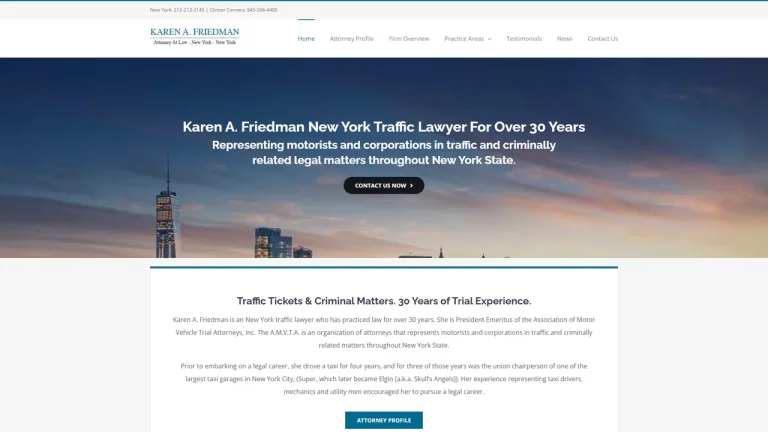
Karen A. Friedman, New York Traffic Lawyer - NYC, New York
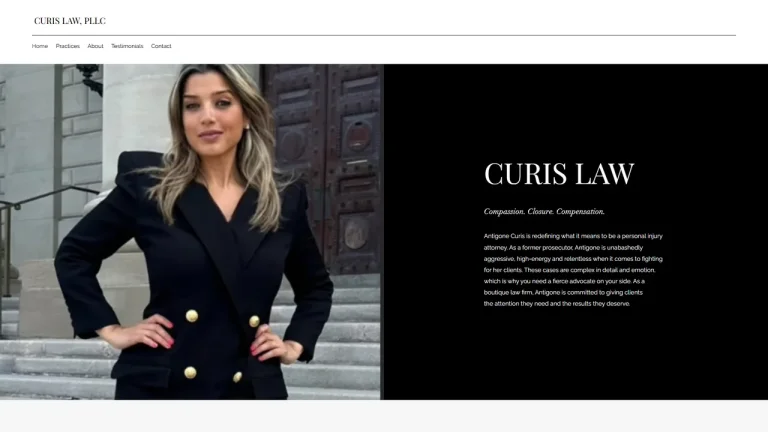
Curis Law, PLLC - NYC, New York

Morrissey & Morrissey, LLP - NYC, New York

Law Offices of Keith S Barnett, 巴内特律师楼 - NYC, New York

Law Offices of Darryl L. Wynn - NYC, New York

Peluso & Touger LLP - NYC, New York

Tamoor Law P.C. - NYC, New York
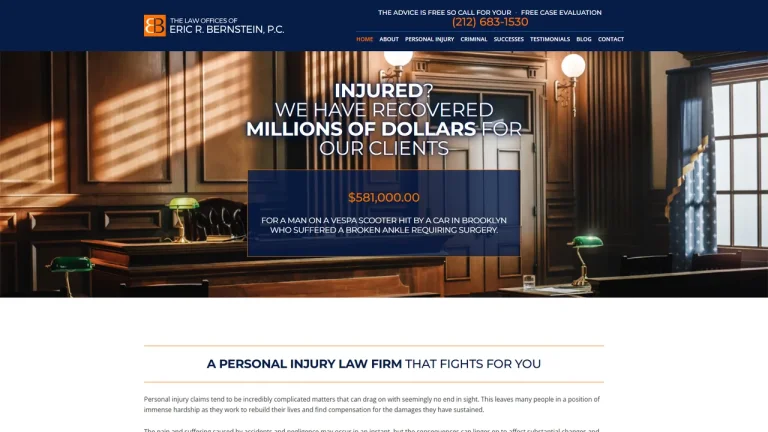
The Law Offices Of Eric R. Bernstein - NYC, New York
Goldberg & Allen, LLP - NYC, New York
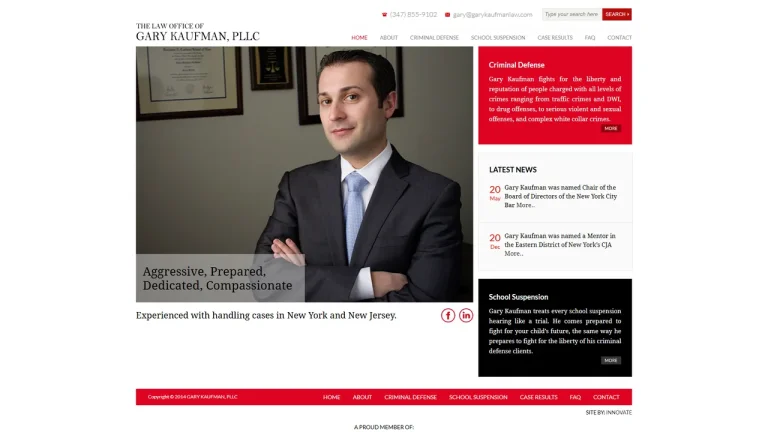
The Law Office of Gary Kaufman, PLLC - NYC, New York
The Shapiro Law Firm, LLC - NYC, New York
The Law Office of Joseph Yau, PLLC - NYC, New York

Sapone & Petrillo, LLP - NYC, New York

Lucero, PC - NYC, New York
Brill Legal Group, P.C. - NYC, New York

Lord & Hardaway LLP - Attorneys at Law - NYC, New York
The Portela Law Firm, P.C. - NYC, New York

Pardalis and Nohavicka Lawyers - NYC, New York
Randy Zelin P.C. - NYC, New York
The Law Office Of Joseph R. Daniels - NYC, New York
Mirza Law - NYC, New York

Rosenblum Law - NYC, New York

The Law Office of Daniel L. Bibb, P.C. - NYC, New York
Navigating Drunk Driving Defense Across New York City Courts
A drunk driving charge in New York City initiates immediate criminal prosecution within the Criminal Court of the City of New York and parallel administrative proceedings before the New York State Department of Motor Vehicles (DMV). Arraignments and court appearances take place in county courthouses, including 100 Centre Street in Manhattan, 120 Schermerhorn Street in Brooklyn, 125-01 Queens Boulevard in Kew Gardens, 265 East 161st Street in the Bronx, and 26 Central Avenue on Staten Island.
Arrests across the five boroughs are conducted by the New York City Police Department (NYPD), often involving the specialized NYPD Highway District. Following an arrest on highways like the FDR Drive, West Side Highway, Brooklyn-Queens Expressway (I-278), or Cross Bronx Expressway (I-95), motorists are transported to dedicated NYPD Intoxicated Driver Testing Unit (IDTU) testing locations. At these facilities, officers conduct recorded coordination tests and administer chemical breath tests using calibrated breathalyzers.
Securing experienced legal counsel immediately following arrest is vital to managing both the criminal docket and administrative risks. In addition to potential misdemeanor or felony penalties, New York City drivers face administrative driver license suspensions at initial arraignment, vehicle impoundment under municipal administrative procedures, and substantial DMV driver responsibility assessments. An attorney familiar with local borough district attorney policies builds a targeted defense against technical evidentiary flaws.
Legal Fee Structures for New York City DUI/DWI Defense
| Case Scenario | Fee Structure | Estimated Cost (USD) | Key Cost Determinants |
|---|---|---|---|
| First-Offense DWAI Infraction (VTL 1192.1) | Flat Retainer | $2,500 - $5,500 | Pre-trial conference negotiations, conditional license qualification, clean driving record history. |
| Standard Misdemeanor DWI (VTL 1192.2 / 1192.3) | Staged Milestone Retainer | $5,000 - $11,000 | IDTU video cross-examination, breathalyzer calibration challenges, suppression hearing litigation. |
| Chemical Test Refusal & DMV Hearing Defense | Flat Fee / Add-on Retainer | $1,500 - $3,500 | DMV Safety Hearing Bureau appearance, cross-examination of arresting officer, transcript preparation. |
| Aggravated DWI (.18+ BAC) / Felony Repeat DWI | Comprehensive Trial Retainer | $9,000 - $25,000+ | Prior DWI convictions within 10 years, grand jury indictment defense, ignition interlock requirements. |
Critical Legal Deadlines & Statutes in New York
Drunk driving offenses in New York are codified under Article 31 of the Vehicle and Traffic Law. Charges range from Driving While Ability Impaired (DWAI) as a traffic infraction under N.Y. Veh. & Traf. Law § 1192(1) for a blood alcohol content (BAC) of .05 to .07, to standard misdemeanor DWI per se under N.Y. Veh. & Traf. Law § 1192(2) for a BAC of .08 or higher. Operating a motor vehicle under the influence of drugs is prosecuted under N.Y. Veh. & Traf. Law § 1192(4).
Under New York Prompt Suspension Law, codified at N.Y. Veh. & Traf. Law § 1193(2)(e)(7), a judge must suspend a driver license at arraignment if the motorist had a BAC of .08 or higher, pending prosecution. Motorists may request an immediate Pringle hearing or petition for an extreme hardship conditional license within three business days of arraignment to permit limited driving for employment or medical treatment.
Refusing a chemical breath test carries separate administrative consequences under N.Y. Veh. & Traf. Law § 1194. The DMV automatically suspends driving privileges at arraignment, and an administrative refusal hearing is scheduled before an Administrative Law Judge at the DMV Safety Hearing Bureau. Failure to prevail results in a mandatory one-year license revocation and statutory civil penalties, irrespective of whether criminal charges are later dismissed. Criminal prosecutions must also comply with speedy trial constraints under N.Y. Crim. Proc. Law § 30.30, requiring trial readiness within 90 days for misdemeanors.
Pleading Guilty at Arraignment vs. Dedicated Defense Counsel
Accepting an initial plea offer at arraignment to conclude a DWI case quickly carries severe, enduring repercussions. A conviction for misdemeanor DWI establishes a permanent criminal record in New York, results in mandatory minimum fines, incurs mandatory annual DMV Driver Responsibility Assessments, and requires the installation of an ignition interlock device (IID) on any vehicle owned or operated under Leandra Law.
Retaining a focused DWI defense attorney ensures that all aspects of the traffic stop and testing procedures are subjected to rigorous constitutional challenges. Counsel reviews calibration logs for the Intoxilyzer instrument, requests source code maintenance histories, scrutinizes IDTU video footage for discrepancies with the police report, and conducts cross-examination at suppression hearings. Professional representation often results in reducing criminal charges to a non-criminal DWAI violation or securing complete case dismissal.
Red Flags When Hiring a New York City DWI Lawyer
- Guarantees of Avoiding License Suspensions: The New York Prompt Suspension Law is a statutory mandate; no attorney can promise avoidance of suspension without prevailing at a formal hardship hearing.
- Skipping the DMV Refusal Hearing: Attorneys who waive the DMV refusal hearing forfeit an invaluable opportunity to cross-examine the arresting officer under oath prior to criminal court trial proceedings.
- Unfamiliarity with Borough Prosecution Guidelines: Each New York City District Attorney office enforces distinct plea bargaining guidelines; counsel must possess direct experience with local courtroom practices.
- Lack of Technical Breathalyzer Knowledge: Defense counsel must understand chemical testing protocols, breathalyzer maintenance schedules, and physiological absorption rates to effectively dispute breath results.
Frequently Asked Questions
What is the difference between DWAI and DWI in New York?
Driving While Ability Impaired (DWAI) under VTL 1192(1) is a non-criminal traffic infraction, typically charged when BAC is between .05 and .07. Driving While Intoxicated (DWI) under VTL 1192(2) or 1192(3) is an unclassified misdemeanor (or felony for repeat offenders) charged when BAC is .08 or higher or when alcohol impairs driving ability.
What is a hardship license and how do I qualify in New York City?
A hardship license is a restricted driving privilege granted by the court at arraignment under VTL 1193(2)(e)(7) allowing travel to and from work, school, or medical appointments. The driver must demonstrate extreme hardship and establish that no alternative public transportation is available.
What happens if I refuse a chemical breath test in New York?
Refusing a chemical test triggers an automatic administrative suspension at arraignment and an administrative hearing at the DMV Safety Hearing Bureau. If the refusal is upheld, the DMV revokes your driver license for at least one year and imposes a mandatory $500 civil penalty, separate from criminal court outcomes.
What is Leandra Law in New York?
Leandra Law mandates that anyone convicted of a misdemeanor or felony DWI in New York must install and maintain an ignition interlock device (IID) on any motor vehicle they own or operate for a minimum of 12 months. It also elevates driving while intoxicated with a child under 16 in the vehicle to a Class E felony.
Where are DWI refusal hearings held in New York City?
Chemical test refusal hearings for New York City arrests are conducted before an Administrative Law Judge at the New York State Department of Motor Vehicles Safety Hearing Bureau, located at 19 East 34th Street in Manhattan or designated borough hearing sites.