
Tax Lawyers in New York City
Retaining an experienced tax lawyer in New York City protects your financial assets and defends your business during high-stakes state and federal audits. Strategic legal counsel navigates complex residency disputes and negotiates administrative settlements, helping resolve liabilities outside adversarial tax courtrooms. Explore our comprehensive directory below to schedule a confidential consultation with trusted New York City tax attorneys.
Law Office of Mark A. Bederow, P.C. - NYC, New York
Frost Law - NYC, New York
Thorgood Law Firm - NYC, New York

Law Offices of George Vomvolakis - NYC, New York

Alvin Brown & Associates - NYC, New York

Sichenzia Ross Ference Carmel LLP - NYC, New York
McLaughlin & Stern LLP - NYC, New York

J. David Tax Law - NYC, New York
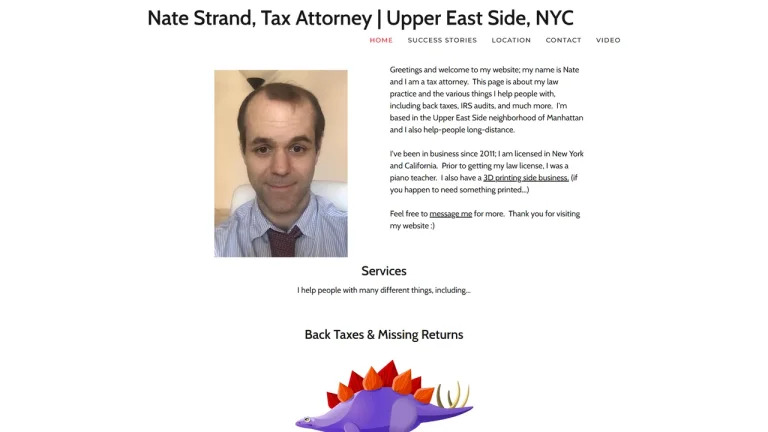
Nate Strand, Tax Attorney - NYC, New York

Capell Barnett Matalon & Schoenfeld, LLP - NYC, New York
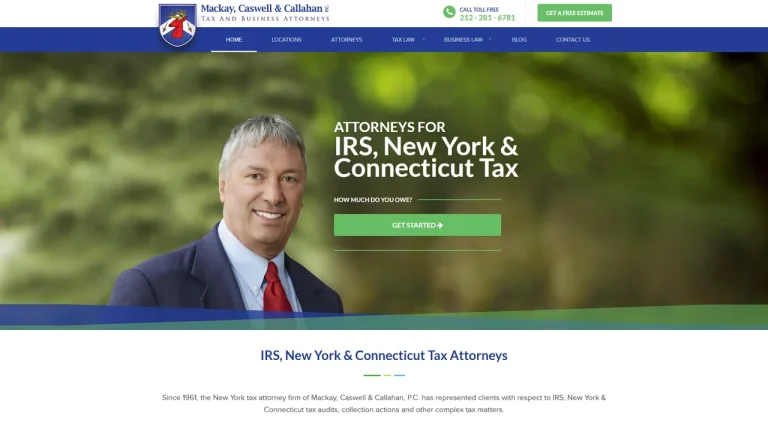
Mackay, Caswell & Callahan, P.C. - NYC, New York

The Kraff Law Firm, PC - NYC, New York

Richard Bryan Attorney PC - NYC, New York
Goldburd McCone LLP - NYC, New York
Law Offices of Ronald C. Burke, Esq. - NYC, New York

Goldfarb Abrandt & Salzman LLP - NYC, New York

Pryor Cashman LLP - NYC, New York
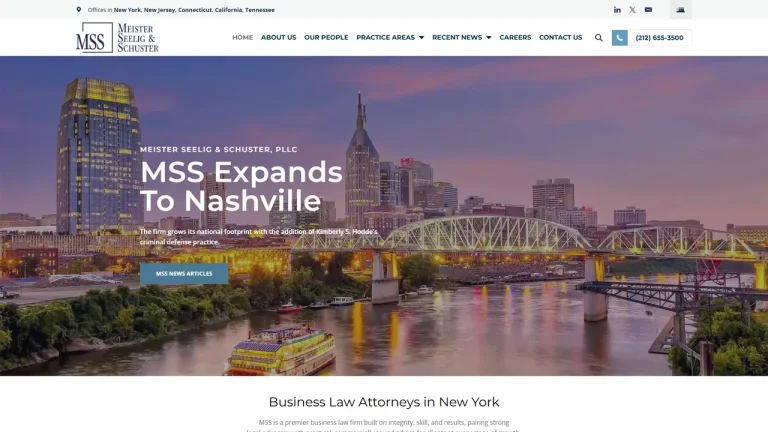
Meister Seelig & Fein PLLC - NYC, New York
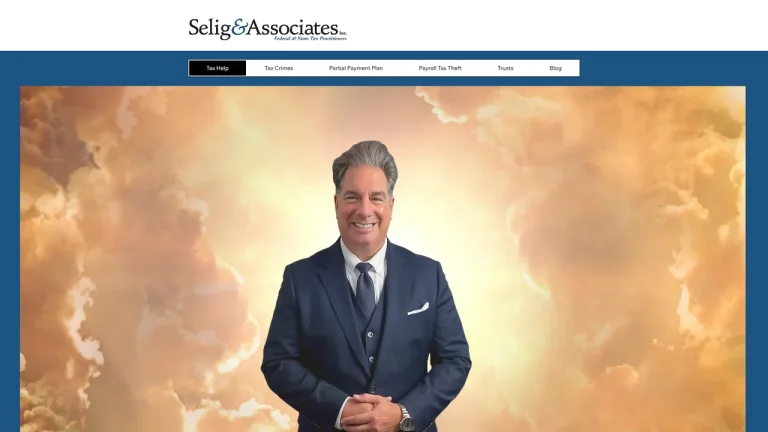
Selig & Associates - NYC, New York

Delia Law P.C. - NYC, New York
Paul, Weiss, Rifkind, Wharton & Garrison LLP - NYC, New York

Chartwell Law - NYC, New York

Moritt Hock & Hamroff LLP - NYC, New York

Hodgson Russ LLP - NYC, New York
Navigating New York City Tax Controversy and Administrative Jurisdiction
Resolving complex tax controversies in New York City requires deep familiarity with dual state and local administrative bodies, as well as federal regulatory apparatuses. Taxpayers across Manhattan, Brooklyn, Queens, the Bronx, and Staten Island face some of the highest combined personal income, corporate, and sales tax rates in the nation, making the city a focal point for aggressive enforcement by both municipal and state revenue departments.
State tax disputes fall under the jurisdiction of the New York State Department of Taxation and Finance (DTF). When an administrative dispute cannot be resolved informally, controversies advance to the Bureau of Conciliation and Mediation Services (BCMS) or the New York State Division of Tax Appeals and Tax Appeals Tribunal. At the municipal level, controversies concerning city general corporation taxes, commercial rent taxes, and unincorporated business taxes (UBT) are governed by the New York City Department of Finance (DOF) and the New York City Tax Appeals Tribunal.
Federal tax litigation proceeds through the United States Tax Court, which conducts regular trial sessions at 26 Federal Plaza in Lower Manhattan, or within the federal Southern and Eastern District Courts of New York. Admitted tax counsel licensed in New York defends individuals facing rigorous statutory residency audits, challenges sales tax assessments against retail operators, and negotiates federal Offers in Compromise.
New York City Tax Representation and Audit Defense Costs
| Case Scenario | Fee Structure | Estimated Cost (USD) | Key Cost Determinants |
|---|---|---|---|
| NYS Statutory Residency & Domicile Audit | Hourly Retainer ($450 - $850/hr) | $7,500 - $30,000+ | Cellular tower location logs, credit card transactional history, permanent place of abode (PPOA) analysis. |
| Federal / State Offer in Compromise (OIC) | Flat Fee / Hourly ($350 - $600/hr) | $3,500 - $9,000 | Reasonable collection potential calculations, asset equity disclosures, simultaneous IRS and NYS filings. |
| NYS Sales Tax & Responsible Person Audit | Hourly Retainer ($400 - $700/hr) | $5,000 - $25,000 | Point-of-sale record reconciliations, mark-up audit methodologies, defending officer personal liability. |
| U.S. Tax Court & Division of Tax Appeals Litigation | Hourly Retainer ($450 - $900/hr) | $10,000 - $45,000+ | Filing petition within strict 90-day jurisdictional deadline, expert economic testimony, formal trial briefs. |
Critical Legal Deadlines & Statutes in New York
New York State maintains aggressive residency tax guidelines codified under N.Y. Tax Law § 605(b). Under this statute, an individual is taxed as a statutory resident if they maintain a permanent place of abode in New York and spend in the aggregate more than 183 days in the state during the tax year. Even partial days spent in New York City count as a full day under state audit regulations.
When the New York State Department of Taxation and Finance issues a formal Notice of Deficiency or Notice of Determination, time is strictly limited. Under N.Y. Tax Law § 2008, a taxpayer must file a petition with the Division of Tax Appeals or request conciliation before the Bureau of Conciliation and Mediation Services within exactly ninety days from the date the notice was mailed. This ninety-day deadline is jurisdictional and cannot be extended by agreement.
Federal tax deficiency notices are subject to an identical ninety-day petition window to file in the United States Tax Court pursuant to 26 U.S. Code § 6213(a). Additionally, under N.Y. Tax Law § 1133, corporate officers and LLC members face personal liability for unpaid sales and trust fund taxes, making immediate administrative appeal crucial to avoid personal asset levies. Compromising liabilities is governed under N.Y. Tax Law § 171, authorizing the state to settle tax liabilities where doubt as to liability or doubt as to collectibility exists.
Small Claims Tax Parts vs. Formal Tax Court Representation
The Small Claims Part of the New York State Division of Tax Appeals resolves smaller state tax disputes where the contested tax amount does not exceed $20,000. While small claims proceedings offer an informal forum conducted before presiding mediation officers, determinations issued by the Small Claims Part are completely final and cannot be appealed to the Tax Appeals Tribunal or state courts.
In high-stakes tax controversies involving high-net-worth residency audits, corporate sales tax assessments, or six-figure federal payroll penalties, retaining experienced tax counsel is essential. Licensed tax attorneys possess attorney-client privilege-a protection that non-attorney tax preparers and accountants do not maintain in criminal tax inquiries. Experienced counsel constructs detailed documentary exhibits, handles formal discovery, and presents rigorous legal defenses before administrative law judges.
Red Flags When Selecting a New York City Tax Lawyer
- Firms that make unqualified guarantees to settle substantial tax debts for pennies on the dollar without reviewing your financial equity and reasonable collection potential.
- Attorneys who lack admission to practice before the United States Tax Court or the New York State Unified Court System.
- Tax practitioners who allow the jurisdictional ninety-day statutory deadline to lapse without filing a protective petition with the Division of Tax Appeals.
- Firms operating without local experience in handling New York State Department of Taxation and Finance statutory residency audits and permanent place of abode rules.
Frequently Asked Questions
What is the 183-day rule for New York statutory residency?
Under New York Tax Law, if you maintain a permanent place of abode in New York and spend more than 183 days in the state during a calendar year, you are classified as a statutory resident and subject to New York State and New York City personal income tax on all income.
What should I do if I receive a Notice of Deficiency from New York State?
You must act immediately upon receiving a Notice of Deficiency. You have exactly ninety days from the notice mailing date to request conciliation with BCMS or file a formal petition with the Division of Tax Appeals. Missing this jurisdictional deadline forfeits your right to challenge the assessment before paying.
Can corporate officers be held personally responsible for unpaid New York sales tax?
Yes. Under New York Tax Law, individuals deemed responsible persons-including corporate officers, managing members, and check signers-can be held personally liable for one hundred percent of unpaid state and city sales taxes collected from customers.
What is an Offer in Compromise in New York?
An Offer in Compromise is a formal agreement between a taxpayer and the New York State Department of Taxation and Finance or the IRS that resolves a tax liability for less than the full amount owed based on doubt as to collectibility, doubt as to liability, or severe economic hardship.
Why should I hire a tax attorney rather than a CPA for a tax audit?
While CPAs handle accounting computations, only licensed tax attorneys provide full attorney-client privilege, protecting your private communications from government subpoena. Tax attorneys also have the legal authority to litigate disputed assessments in the U.S. Tax Court and state appellate tribunals.