
Trusts Lawyers in New York
Find top trusts lawyers in New York. Protect assets, avoid probate delays, and secure long-term family wealth with customized revocable and irrevocable trusts. Engaging an experienced New York trust attorney ensures compliance with the Estates, Powers and Trusts Law while structuring effective Medicaid and tax shelters. Browse our statewide directory below to connect with verified trust counsel.

Whiteman Osterman & Hanna LLP - Albany, NY
Weinberg & Cooper, P.C. - Albany, NY

Marcus W. Kroll, Esq. - Rochester, NY

Gregg H. Redmond, PLLC - Rochester, NY
DeGraff, Foy & Kunz, LLP - Albany, NY

Razzano Law, PLLC - Albany, NY

Powhida & Cano, PLLC - Albany, NY

D'Aurizio Law Offices, PLLC - Rochester, NY

Hodgson Russ LLP - NYC, New York

Levin Law Group - NYC, New York
The Law Office of Deborah H. Sheehan - Albany, NY

Ronald J. Axelrod & Associates - Rochester, NY
Khavinson & Mandronico P.C. - NYC, New York

Sichenzia Ross Ference Carmel LLP - NYC, New York

Hodgson Russ LLP - Albany, NY
Korsinsky & Klein, LLP - NYC, New York

Law Office of Khari Peter Prescod, Esq., PLLC. - NYC, New York
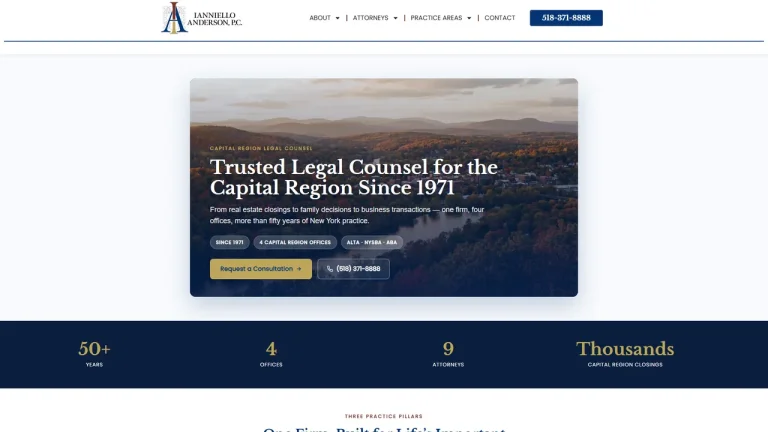
Ianniello Anderson, P.C. - Albany, NY

Kilmartin and Kilmartin PC - Yonkers, NY
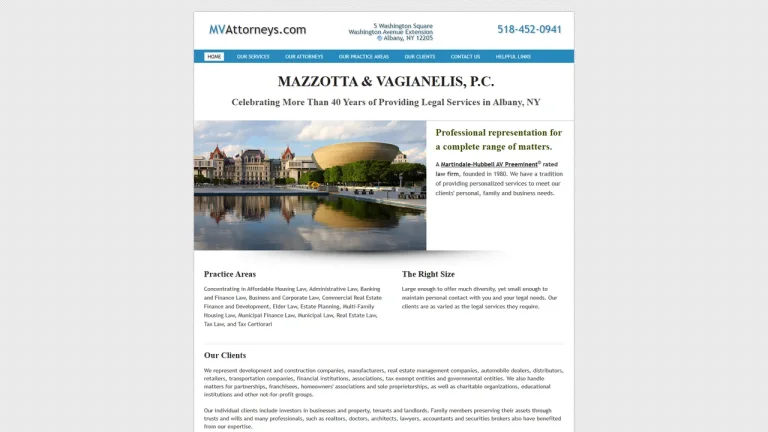
Mazzotta and Vagianelis, P.C. - Albany, NY

The Khalsa Law Firm, PC - NYC, New York
Connors & Sullivan, Attorneys at Law, PLLC - NYC, New York
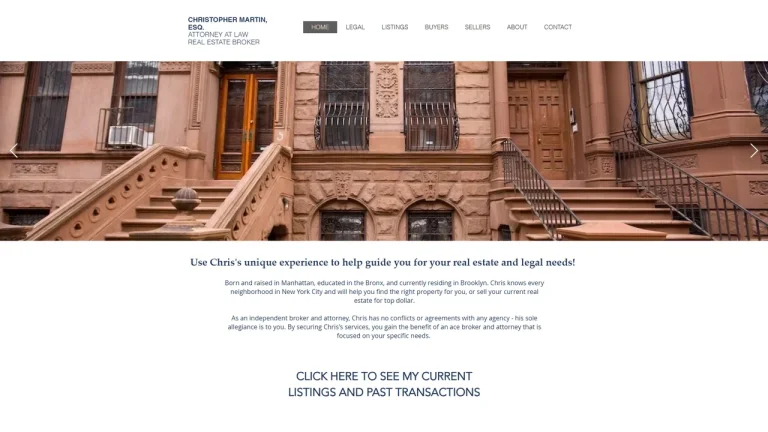
Christopher Martin, Esq., Real Estate Broker - NYC, New York

The Role of Trust Fiduciary Law Across New York State
Trust creation, fiduciary administration, and asset preservation across New York State are governed under Article 7 of the Estates, Powers and Trusts Law (EPTL) and the Surrogate's Court Procedure Act (SCPA). From Western New York and the Finger Lakes to the Capital District and the New York City metropolitan area, trusts provide a private mechanism to transfer property outside of public probate courts.
Judicial supervision of inter vivos and testamentary trusts falls under the jurisdiction of the county Surrogate's Courts, with legal precedents guided by the New York Court of Appeals in Albany. Trustees operating within New York are held to strict fiduciary duties and must administer assets according to the New York Prudent Investor Act codified at N.Y. EPTL § 11-2.3.
Retaining an experienced New York trust attorney allows grantors to establish tailored estate vehicles, such as revocable living trusts to bypass probate, irrevocable Medicaid Asset Protection Trusts (MAPTs) to safeguard real estate from long-term care costs, and Supplemental Needs Trusts under N.Y. EPTL § 7-1.12 to protect vulnerable beneficiaries without forfeiting public benefits.
Legal Fee Structures for Trust Planning and Administration in New York
| Case Scenario | Fee Structure | Estimated Cost (USD) | Key Cost Determinants |
|---|---|---|---|
| Revocable Living Trust Portfolio | Flat Fee | $2,500 - $5,500 | Number of real property deeds, pour-over will coordination, asset funding schedules |
| Irrevocable Medicaid Asset Protection Trust (MAPT) | Flat Fee | $4,500 - $9,000 | Primary residence deed conveyance, life estate reservations, five-year lookback analysis |
| Supplemental Needs Trust (SNT) | Flat Fee / Retainer | $2,000 - $4,500 | First-party vs. third-party trust structure, SSI/Medicaid preservation requirements |
| Contested Trust Accounting & Trustee Removal | Hourly Billing ($375 - $750/hr) | $10,000 - $40,000+ | Asset valuation disputes, forensic accounting depth, evidentiary hearings in Surrogate's Court |
Critical Legal Deadlines & Statutes in New York
Trust creation and administration in New York are subject to rigorous statutory benchmarks. Under N.Y. EPTL § 7-1.17, any lifetime trust created in New York must be in writing and executed with formal statutory ceremony-either acknowledged before a notary public or executed in the presence of two attesting witnesses who sign the instrument.
For individuals establishing irrevocable trusts for Medicaid qualification, long-term nursing home care coverage is subject to a strict five-year lookback period under N.Y. Soc. Serv. Law § 366. Transfers of assets into irrevocable trusts completed within sixty months of applying for institutional Medicaid may trigger statutory penalty periods. For trust disputes, claims against a trustee for breach of fiduciary duty are subject to a six-year statute of limitations under N.Y. C.P.L.R. § 213, running from the date the trustee openly repudiates the fiduciary relationship or renders a formal accounting.
Direct Trust Administration vs. Retaining Specialized Counsel
While local small claims courts handle small financial disputes under $3,000 to $10,000 depending on county jurisdiction, they have no authority over trust construction or fiduciary proceedings. Exclusive subject-matter jurisdiction over trusts resides with the New York State Surrogate's Court and the Supreme Court.
Attempting to create or administer a trust without specialized legal counsel frequently results in unfunded trusts, rendering the instrument legally ineffective and forcing the estate back into probate. Furthermore, executing an irrevocable trust without precise understanding of grantor trust rules or Medicaid lookback rules under N.Y. Soc. Serv. Law § 366 can result in severe tax consequences and denied benefits. Retaining qualified trusts counsel ensures proper deed transfers, compliant funding, and protection against fiduciary liability.
Red Flags When Selecting a New York Trusts Lawyer
- Beware of high-pressure trust marketing seminars that sell standardized trust templates without handling the required real estate deed retitling.
- Avoid attorneys who fail to explain that revocable living trusts do not protect assets from judgment creditors or Medicaid long-term care recovery.
- Steer clear of non-attorney financial advisors or generic document mills offering to draft complex trust agreements in New York.
- Ensure the attorney verifies that every trust instrument complies with execution formalities mandated by N.Y. EPTL § 7-1.17.
Frequently Asked Questions
Does a revocable living trust avoid probate in New York?
Yes. Assets properly retitled into the name of a revocable living trust pass directly to named beneficiaries according to trust terms upon the grantor's death, bypassing the Surrogate's Court probate process entirely.
What are the execution requirements for a trust in New York?
Under N.Y. EPTL § 7-1.17, a lifetime trust must be in writing and signed by the creator and at least one trustee. It must be either acknowledged before a notary public in the manner required for a deed or signed in the presence of two witnesses.
How does an Irrevocable Medicaid Trust protect a home in New York?
Transferring a residence into an irrevocable Medicaid Asset Protection Trust removes the property from your countable resource pool for Medicaid eligibility once the five-year lookback period under N.Y. Soc. Serv. Law § 366 has expired, while preserving lifetime occupancy rights.
What is a Supplemental Needs Trust under New York law?
Authorized under N.Y. EPTL § 7-1.12, a Supplemental Needs Trust enables funds to be held for a person with severe, chronic disabilities to enhance their quality of life without disqualifying them from government benefits like SSI or Medicaid.
Can a trustee be removed in New York Surrogate's Court?
Yes. Under N.Y. SCPA § 711, interested beneficiaries can petition the Surrogate's Court to suspend or remove a trustee for commingling assets, self-dealing, failing to account, or otherwise violating their fiduciary duties.