
Immigration Lawyers in Charlotte
Retaining an experienced immigration lawyer in Charlotte ensures your legal status, work authorization, and deportation defense are handled with precision. Seasoned counsel navigates complex administrative hearings and USCIS filings to safeguard your family and career. Explore our directory below to consult with top-rated Charlotte immigration attorneys.
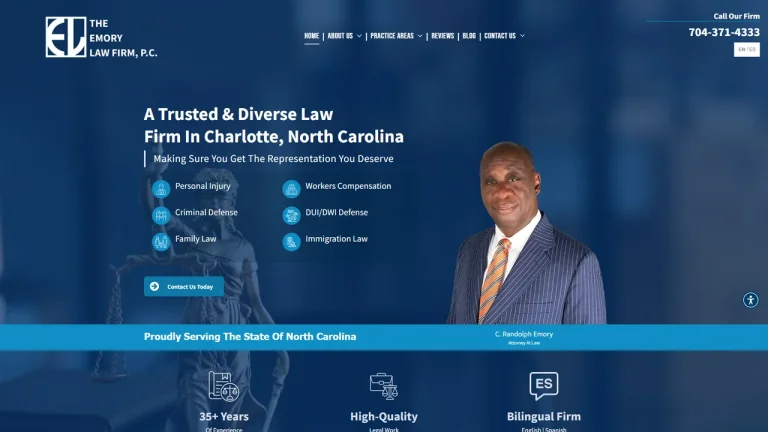
The Emory Law Firm, P.C. - Charlotte, NC
Butler, Quinn & Hochman, PLLC - Charlotte, NC

Gilchrist Law Firm - Charlotte, NC

Phillips & McCrea, PLLC - Charlotte, NC

OlaBlu Law, PLLC - Charlotte, NC
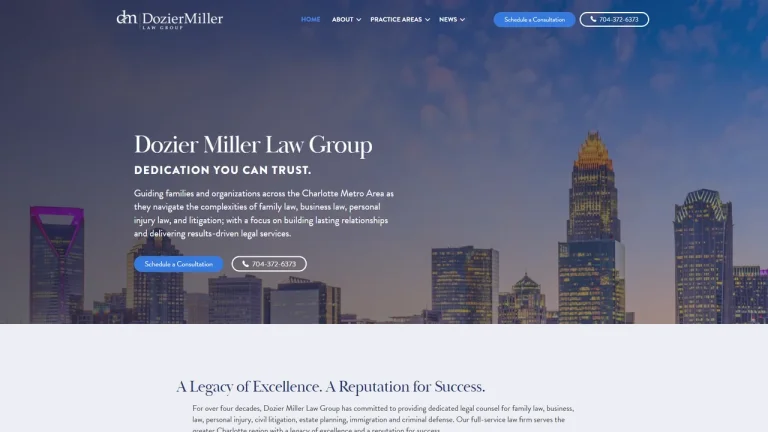
Dozier Miller Law Group - Charlotte, NC
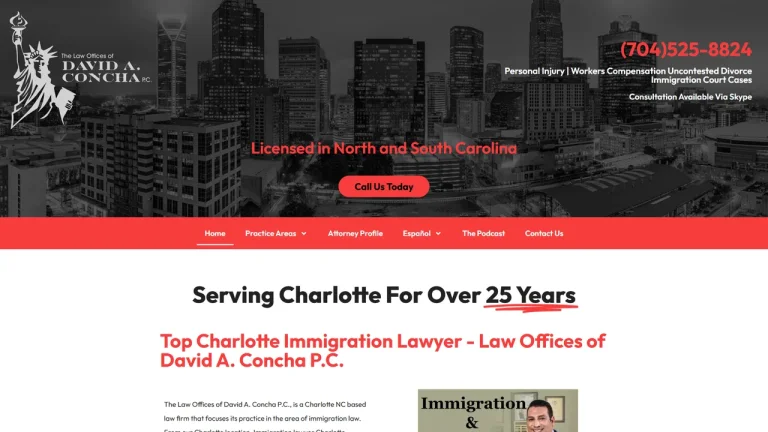
The Law Offices of David A. Concha, P.C. - Charlotte, NC

Beth Sibley Law Offices, PLLC - Charlotte, NC

Curcio Anderson Law - Charlotte, NC

Latorre Law Firm - Charlotte, NC

Steven T. Meier, PLLC - Charlotte, NC
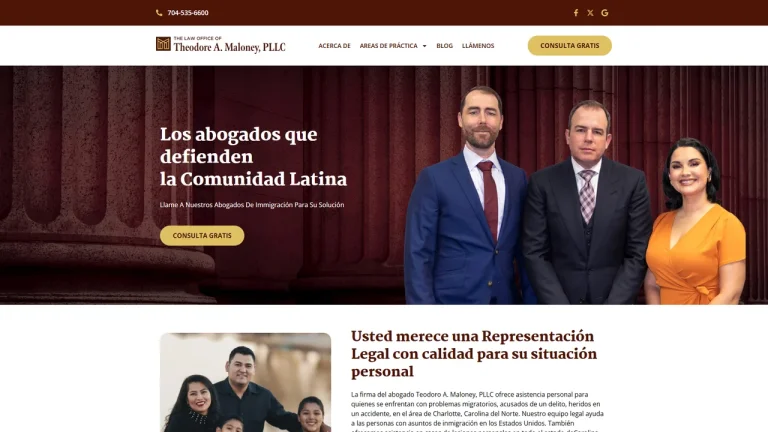
The Law Office of Theodore A. Maloney, PLLC - Charlotte, NC

Central Law Group, PLLC - Charlotte, NC

Martinez Law - Charlotte, NC

Tran Law Firm, PLLC - Charlotte, NC

Navigating Immigration Law in Charlotte and Federal Agencies
Charlotte serves as the economic hub of the Carolinas, home to a diverse international population across communities such as Central Avenue, Eastland, South Boulevard, and University City. Immigrants in Charlotte contribute significantly to regional commerce, healthcare systems, and construction industries. Navigating the complex United States immigration system requires experienced local legal representation to avoid administrative delays, status revocations, or adverse removal rulings.
Immigration proceedings for Charlotte residents are divided between administrative agencies and federal immigration courts. The Charlotte Immigration Court, administered by the Executive Office for Immigration Review (EOIR) and located at 5701 Executive Center Drive, has jurisdiction over master calendar and individual merits removal defense hearings. The U.S. Citizenship and Immigration Services (USCIS) Charlotte Field Office, located on Tyvola Centre Drive, conducts naturalization interviews, adjustment of status hearings, and green card adjudications.
The Charlotte Immigration Court manages a substantial docket covering North Carolina and South Carolina. Facing removal defense before an immigration judge requires meticulous preparation of factual exhibits, witness affidavits, and country conditions research. Retaining an established Charlotte immigration attorney ensures compliance with local court practices, strategic engagement with Department of Homeland Security (DHS) trial attorneys, and effective advocacy during individual hearings.
Typical Fee Structures for Charlotte Immigration Cases
| Case Scenario | Fee Structure | Estimated Cost (USD) | Key Cost Determinants |
|---|---|---|---|
| Affirmative Family-Based Petition & Adjustment (I-130 / I-485) | Flat Legal Fee | $2,500 - $5,500 | Lawful entry documentation, bona fide marital evidence, need for unlawful presence waivers. |
| Defensive Asylum & Removal Defense before Charlotte EOIR | Retainer or Staged Flat Fee | $5,000 - $12,000+ | Country condition documentation, expert witness testimony, number of merits hearings. |
| Employment-Based Visas (H-1B, L-1, EB-2 / EB-3) | Flat Legal Fee | $3,500 - $9,000 | Department of Labor PERM labor certification, corporate sponsorship structure, prevailing wage reviews. |
| U-Visa or VAWA Humanitarian Relief Applications | Flat Legal Fee | $2,000 - $4,500 | Law enforcement certification from local police agencies, psychological evaluation reports. |
Critical Legal Deadlines & Statutes in Immigration Law
Immigration proceedings are strictly bound by statutory deadlines that carry severe consequences if missed. Under 8 U.S. Code § 1158(a)(2)(B), an individual seeking asylum must formally file Form I-589 within one year of arrival in the United States. Missing this one-year filing deadline bars asylum eligibility unless the applicant demonstrates extraordinary circumstances or changed country conditions.
For individuals in removal proceedings, hearing schedules are governed by 8 U.S. Code § 1229. Failing to appear at a scheduled master calendar or merits hearing at the Charlotte Immigration Court results in an immediate order of removal entered in absentia pursuant to 8 U.S. Code § 1229a(b)(5), which strips the individual of various forms of discretionary relief for ten years.
Appeals from an immigration judge's adverse decision must be submitted to the Board of Immigration Appeals (BIA) within thirty calendar days of the decision under 8 C.F.R. § 1003.38. Additionally, responses to USCIS Requests for Evidence (RFEs) must strictly comply with the timeframe stated on the notice under 8 C.F.R. § 103.2(b)(8), as failure to respond in time results in summary denial.
Small Claims Limitations vs. Federal Immigration Representation
While the Mecklenburg County Small Claims Court (Magistrate Court) resolves civil monetary disputes up to $10,000 under N.C. Gen. Stat. § 7A-210, state magistrate and district courts possess zero subject matter jurisdiction over federal immigration matters. All immigration relief, visa authorizations, and removal proceedings fall exclusively under federal authority.
Attempting to handle an immigration filing pro se or relying on non-attorney document preparers presents extreme legal risks. A minor clerical error or misunderstood question regarding prior entries can trigger allegations of immigration fraud or misrepresentation under 8 U.S. Code § 1182(a)(6)(C)(i), creating a permanent bar to entry. Experienced Charlotte immigration lawyers evaluate criminal history for immigration consequences, cross-examine government witnesses, and draft appellate briefs in accordance with Fourth Circuit federal precedent.
Red Flags to Avoid When Hiring a Charlotte Immigration Lawyer
- Relying on non-attorney notarios: In the United States, notaries public are not licensed to provide legal advice or represent clients in immigration matters.
- Promises of guaranteed green cards or expedited processing: Ethical immigration attorneys cannot guarantee approvals, as determinations rest solely with USCIS officers and immigration judges.
- Unfamiliarity with the Charlotte Immigration Court: Attorneys who rarely appear before local EOIR judges may be unacquainted with regional case management customs and courtroom procedures.
- Demands for full upfront cash payments without a written retainer agreement that clearly separates government filing fees from attorney legal services.
Frequently Asked Questions
Where is the immigration court located in Charlotte?
The Charlotte Immigration Court (EOIR) is located at 5701 Executive Center Drive, Suite 400, Charlotte, NC 28212, where master calendar and individual merits hearings are conducted.
What is the one-year asylum deadline in the United States?
Under 8 U.S. Code § 1158(a)(2)(B), asylum applicants must file their application within one year of entering the country, unless they establish extraordinary circumstances or changed conditions.
What happens if I miss my Charlotte Immigration Court date?
Under 8 U.S. Code § 1229a(b)(5), missing a scheduled court appearance will result in an immediate order of removal issued in absentia, which can lead to immediate detention and deportation.
Can a criminal charge in Mecklenburg County affect my immigration status?
Yes. Criminal convictions, including certain misdemeanors, can trigger grounds of inadmissibility or deportability under federal immigration law, making it vital to coordinate criminal defense with immigration counsel.
Where do green card and citizenship interviews take place in Charlotte?
Interviews for naturalization and adjustment of status are conducted at the USCIS Charlotte Field Office, located at 6130 Tyvola Centre Drive in Charlotte.