
Slip & Fall Injury Lawyers in Charlotte
Securing experienced slip & fall injury lawyers in Charlotte protects your claim against aggressive property insurers and pure contributory negligence defenses. Skilled premises liability counsel investigates incident scenes, secures surveillance footage, and establishes property owner negligence. Browse our verified directory below to consult with trusted slip and fall attorneys in Mecklenburg County.
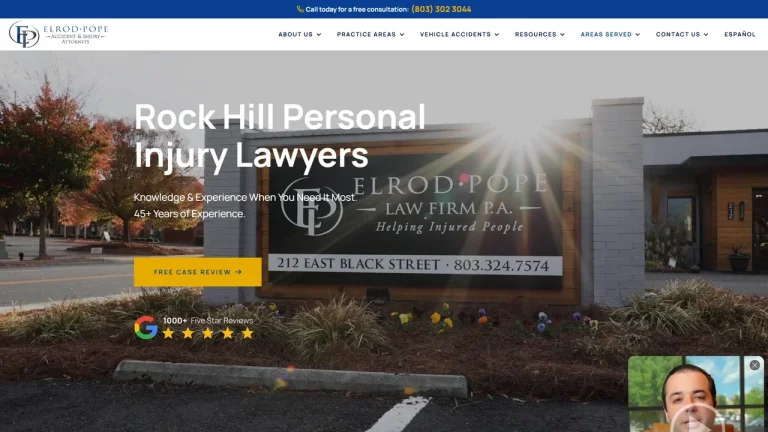
Elrod Pope Accident & Injury Attorneys - Charlotte, NC

Accident Pros - Charlotte, NC

Fink & Hayes Attorneys At Law - Charlotte, NC

Olive, Sanchez & Associates, PLLC - Charlotte, NC

Mitchener Law Firm - Charlotte, NC
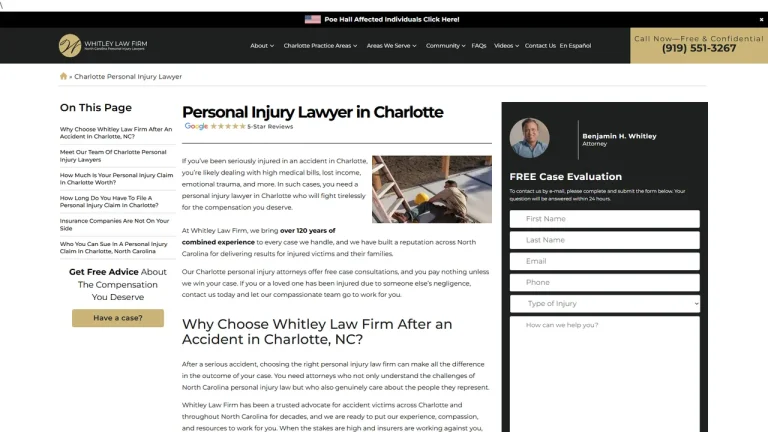
Whitley Law Firm Injury Lawyers - Charlotte, NC
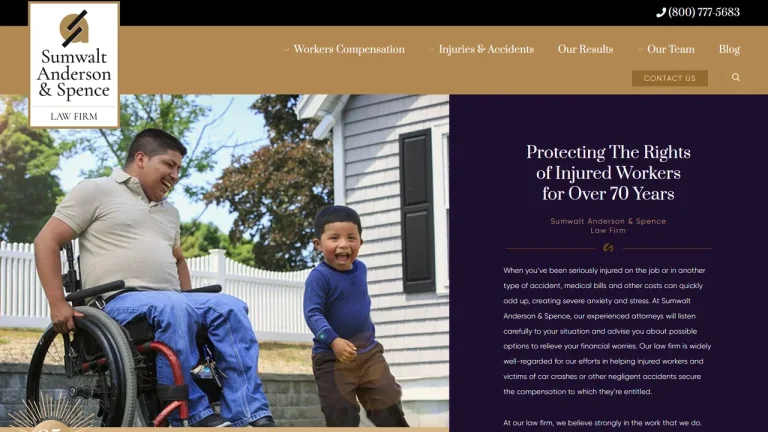
Sumwalt Anderson Law Firm - Charlotte, NC

Edwards Injury Law - Charlotte, NC
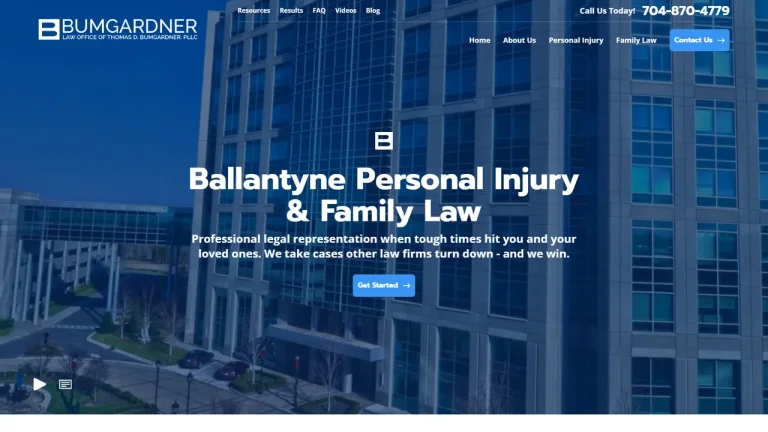
Law Office of Thomas D. Bumgardner, PLLC - Charlotte, NC

Charlotte Injury Lawyers - Charlotte, NC
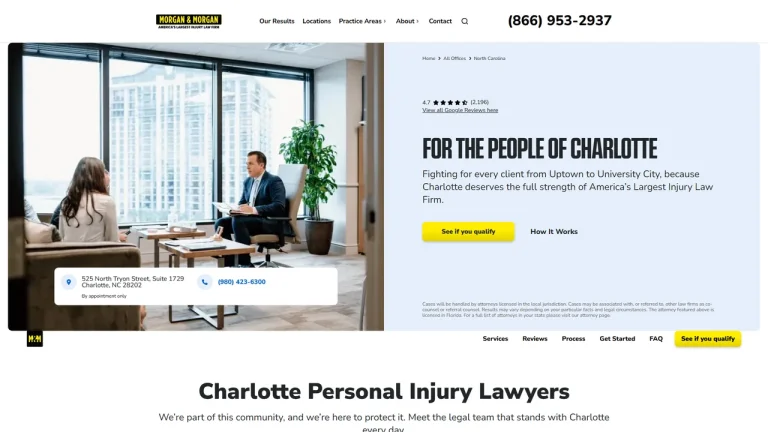
Morgan & Morgan - Charlotte, NC
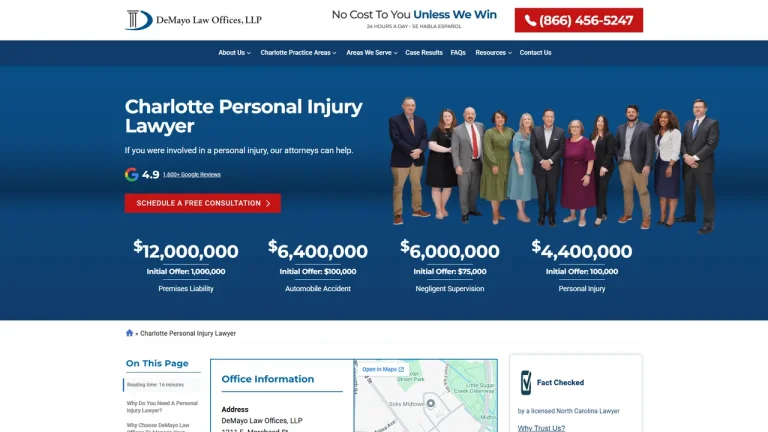
DeMayo Law Offices, LLP - Charlotte, NC

Riddle & Riddle Injury Lawyers - Charlotte, NC
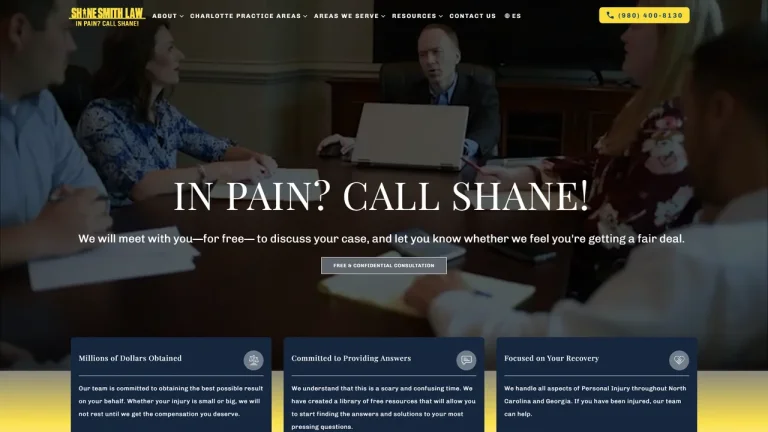
Shane Smith Law - Charlotte, NC

Dewey, Ramsay & Hunt, P.A. - Charlotte, NC

Payne Law Firm - Charlotte, NC
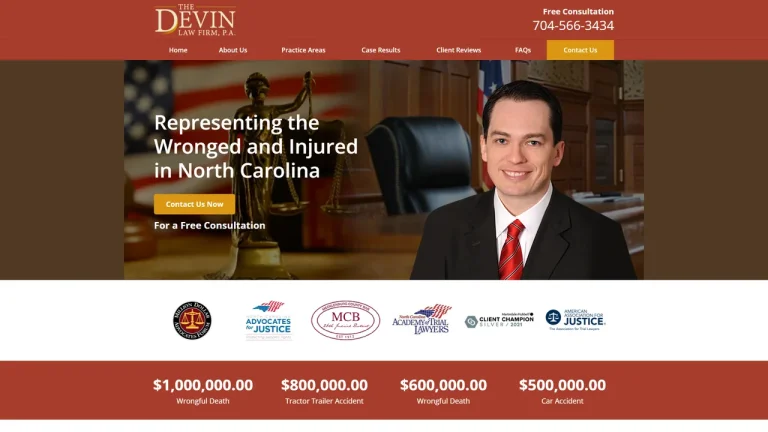
The Devin Law Firm, P.A. - Charlotte, NC

Panchenko Law Firm - Charlotte, NC

Law Offices of James Scott Farrin - Charlotte, NC
Law Office of Seth M. Bernanke, P.C. - Charlotte, NC

McCormick Law Firm - Charlotte, NC

Grandy & Martin PA - Charlotte, NC

Wilder Pantazis Law Group - Charlotte, NC

Navigating Premises Liability and Slip & Fall Claims in Charlotte
Charlotte features high-traffic commercial environments, including expansive retail destinations like SouthPark Mall, multi-level parking structures in Uptown, and bustling mixed-use commercial developments throughout South End and NoDa. While commercial property owners and management companies are legally required to maintain safe premises, hazardous conditions like unaddressed liquid spills, uneven walkways, broken stairs, and ice buildup frequently cause severe injuries.
When a slip and fall injury occurs in Mecklenburg County, securing financial compensation requires formal civil litigation at the Mecklenburg County Courthouse on East 4th Street within North Carolina's 26th Judicial District. Claims are defended by commercial property liability insurers and corporate legal departments that seek to deflect responsibility onto the injured victim.
Under North Carolina premises liability jurisprudence, property owners owe a duty of reasonable care to all lawful visitors. However, to establish liability, the injured claimant must demonstrate that the owner or property manager had actual or constructive notice of the hazardous condition and failed to remediate it or provide adequate warning. Dedicated Charlotte premises liability attorneys act swiftly to secure store maintenance logs, subpoena video recordings, and establish landowner culpability.
Legal Fee Structures for Slip & Fall Claims in Charlotte
| Case Scenario | Fee Structure | Estimated Cost (USD) | Key Cost Determinants |
|---|---|---|---|
| Commercial Retail Spill / Hazard (Pre-Suit Settlement) | Contingency (33.3%) | $0 Upfront (33.3% of settlement) | Proof of constructive notice, medical lien resolution, and commercial insurer negotiations. |
| Severe Fractures / Surgical Intervention (Litigation Filed) | Contingency (33.3% - 40%) | $0 Upfront (Litigation costs advanced by firm) | Mecklenburg County Superior Court filings, expert witness depositions, and medical imaging audits. |
| Apartment Complex Structural Defect (Stairs / Railings) | Contingency (33.3% - 40%) | $0 Upfront (Contingency basis) | North Carolina building code inspections, architectural engineering evaluations, and tenant records. |
| Disputed Liability / Open and Obvious Hazard Defense | Contingency (33.3% - 40%) | $0 Upfront (Contingency fee) | Surveillance footage forensic enhancement, lighting lux measurements, and rebuttal of contributory negligence. |
Critical Legal Deadlines & Statutes in North Carolina
Premises liability actions in Charlotte must adhere to strict North Carolina civil statutes of limitations. Under N.C. Gen. Stat. § 1-52, an injured party has three years from the date of the fall to file a lawsuit in Mecklenburg County civil court. If the fall leads to fatal injuries, the estate administrator must initiate a wrongful death action within two years from the date of death pursuant to N.C. Gen. Stat. § 1-53. Missing these statutory deadlines permanently extinguishes the right to pursue compensation.
Beyond court filing deadlines, preserving evidence immediately is paramount in premises liability cases. Commercial establishments such as grocery stores, big-box retailers, and parking operators routinely overwrite CCTV surveillance camera footage within 14 to 30 days unless served with a formal legal spoliation notice.
Furthermore, under North Carolina's pure contributory negligence doctrine, defense counsel will attempt to show that the hazard was 'open and obvious.' If an insurance carrier proves the plaintiff failed to look where they were walking or ignored obvious conditions, North Carolina law bars all financial recovery. If filed in Superior Court, parties must also participate in mandatory pre-trial mediation under N.C. Gen. Stat. § 7A-38.1 before obtaining a jury trial date.
Small Claims Magistrate vs. Superior Court Premises Liability
Mecklenburg County small claims courts, governed by N.C. Gen. Stat. § 7A-210, are restricted to disputes involving $10,000 or less. While an unrepresented individual might seek compensation for minor emergency room visits before a magistrate, commercial insurance adjusters frequently use pro se proceedings to create a recorded testimony record showing the plaintiff was contributorily negligent, barring the claim permanently.
Falls involving herniated discs, torn ligaments, traumatic brain trauma, or hip fractures often require extensive surgery and rehabilitation, generating damages far exceeding the small claims threshold. Litigating in the 26th Judicial District Superior Court requires establishing constructive notice through store sweep logs, examining employee training manuals, and taking depositions of corporate risk managers. Retaining experienced premises liability counsel ensures your rights are protected throughout the litigation process.
Red Flags to Avoid When Selecting a Slip and Fall Lawyer
- Failing to Send Immediate Spoliation Letters: A law firm that delays sending a formal evidence preservation letter risks the permanent loss of security video that proves how long the hazard existed.
- Assuming Liability Is Automatic: Reputable attorneys know that simply falling on commercial property does not create liability under North Carolina law; the plaintiff must prove actual or constructive notice.
- Permitting Unsupervised Recorded Statements: Allowing an insurance adjuster to interview an injured claimant without counsel present often results in trick questions that establish contributory negligence.
- Inexperience with Mecklenburg County Courts: Out-of-area lawyers unfamiliar with the 26th Judicial District bench and local mediation procedures may undervalue complex premises liability claims.
Frequently Asked Questions
How does North Carolina's contributory negligence rule affect slip and fall cases in Charlotte?
Under North Carolina's strict contributory negligence law, if the property owner proves you were even one percent at fault for not seeing an open and obvious hazard, you cannot recover any damages.
What is constructive notice in a North Carolina premises liability lawsuit?
Constructive notice means the hazardous condition existed for a sufficient length of time that the property owner, in exercising reasonable care, should have discovered and remediated it.
Where are slip and fall lawsuits filed in Charlotte, North Carolina?
Premises liability lawsuits in Charlotte are filed with the Clerk of Superior Court at the Mecklenburg County Courthouse, located at 832 E 4th Street in Uptown Charlotte.
How long do I have to file a slip and fall lawsuit in Charlotte?
Under North Carolina General Statutes, you have three years from the date of the fall to file a personal injury lawsuit, or two years if the fall resulted in a wrongful death.