
Business & Real Estate Lawyers in Raleigh
Retaining an experienced business and real estate lawyer in Raleigh protects commercial investments and ensures compliance with North Carolina unique title and corporate statutes. Skilled local attorneys negotiate complex leases, structure corporate entities, and resolve disputes before formal litigation arises. Explore our verified directory below to consult a leading Raleigh business and real estate attorney today.

Paynter Law - Raleigh, NC
Vann Attorneys, PLLC - Raleigh, NC
James Jenkins Mills - Raleigh, NC
Schuette Law of North Raleigh, PA - Raleigh, NC

Hatch, Little & Bunn, L.L.P. - Raleigh, NC
Edwards Beightol, LLC - Raleigh, NC
Howard Stallings Law Firm - Raleigh, NC

Anglin Law Firm, PLLC - Raleigh, NC
Page Law, P.A. - Raleigh, NC
Maginnis Howard Personal Injury Lawyer - Raleigh, NC
Oxendine Barnes & Associates PLLC - Raleigh, NC
Vincent-Pope Law Firm, PA - Raleigh, NC
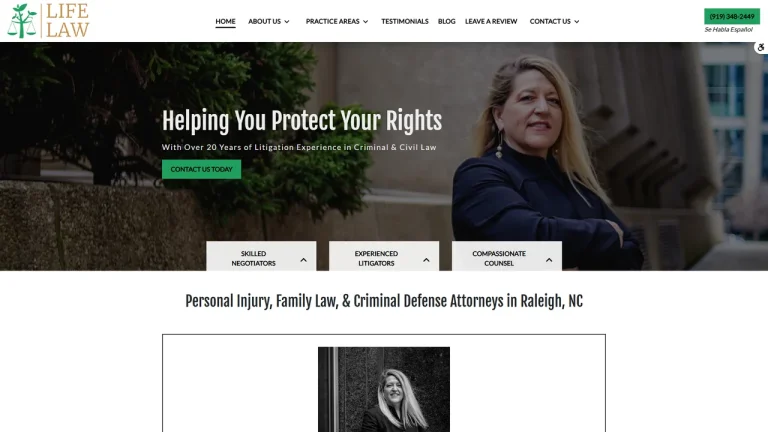
Life Law - Law Offices of C. Melody Davalos, PLLC - Raleigh, NC
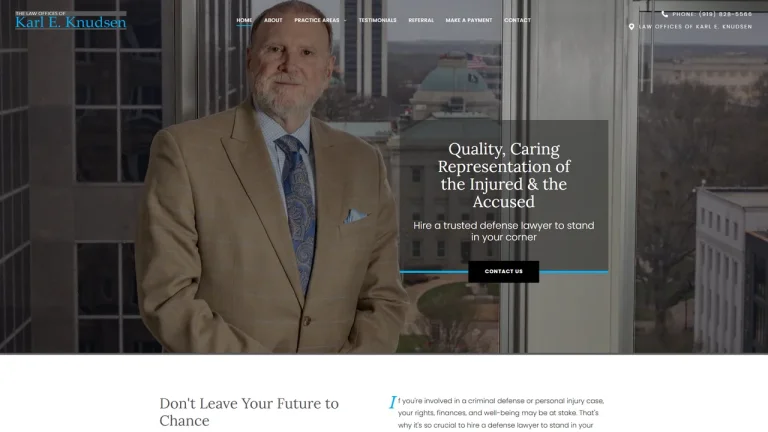
Law Offices of Karl E. Knudsen - Raleigh, NC

Thorp Law - Raleigh, NC

Dement Askew Johnson & Marshall, LLP - Raleigh, NC
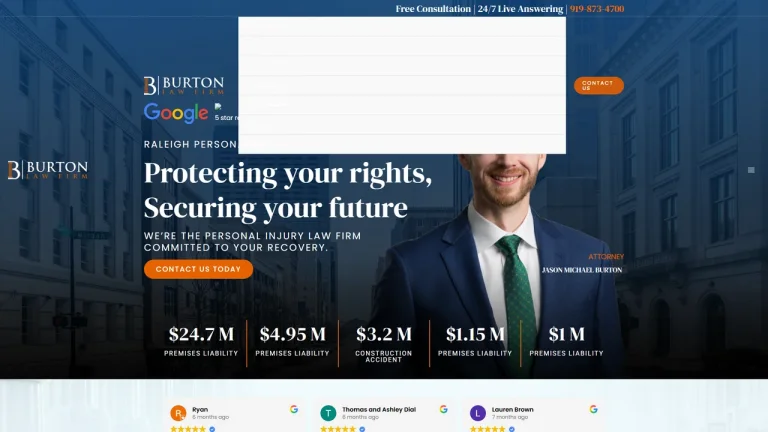
Burton Law Firm, PLLC - Raleigh, NC
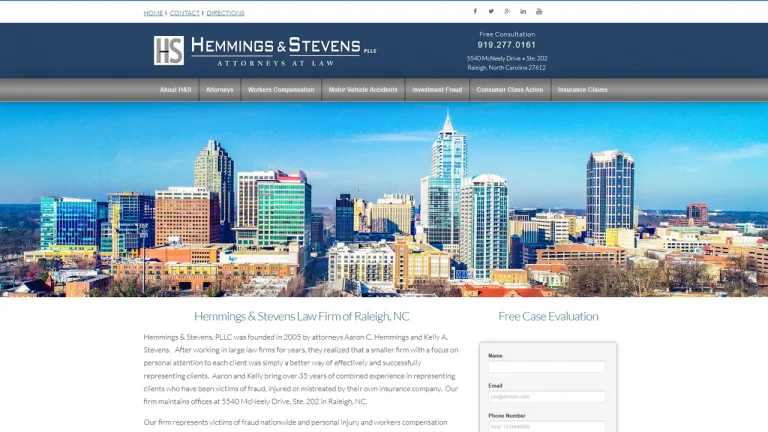
Strategic Business and Real Estate Legal Counsel in Raleigh
Raleigh commercial growth continues at a rapid pace, fueled by technology expansions in the Research Triangle, corporate redevelopment across North Hills, and bustling commercial corridors along Glenwood South and Fayetteville Street. Launching a venture, executing a commercial land acquisition, or leasing retail space requires sophisticated legal guidance tailored to Wake County commercial market. Working with a local attorney ensures that contracts and asset transfers withstand regulatory scrutiny.
Real estate and corporate litigation arising in Raleigh is adjudicated within the 10th Judicial District, centered at the Wake County Justice Center and the historic Wake County Courthouse on Fayetteville Street. Furthermore, complex commercial and corporate governance disputes are frequently assigned to the North Carolina Business Court, which maintains specialized chambers in Wake County. Counsel with direct experience before these courts provides an essential strategic advantage when litigating partnership dissolutions or breach of contract claims.
Under North Carolina law, real estate transactions follow an attorney-closing model, meaning legal counsel must oversee title examinations, closing document preparation, and deed recordings. Because North Carolina enforces the Conner Act, the state is a strict pure race jurisdiction where unrecorded interests are void against lien creditors or subsequent purchasers. Experienced Raleigh attorneys ensure absolute compliance with recording protocols to secure priority title.
Estimated Pricing for Business & Real Estate Services in Raleigh
| Case Scenario | Fee Structure | Estimated Cost (USD) | Key Cost Determinants |
|---|---|---|---|
| Commercial Lease Review & Tenant Representation | Flat Legal Fee | $1,500 - $3,500 | Square footage, tenant improvement allowances, personal guaranty clauses |
| Entity Formation (LLC / Corporation) & Governance | Flat Legal Fee | $1,200 - $3,000 | Custom operating agreements, multi-tier ownership, buy-sell provisions |
| Commercial Real Estate Closing & Title Examination | Staged / Flat Closing Fee | $3,000 - $8,500 | Purchase price, survey requirements, environmental covenants, municipal zoning compliance |
| Commercial Dispute & Partnership Litigation | Hourly Retainer | $10,000 - $40,000+ | North Carolina Business Court assignment, discovery volume, forensic valuation needs |
Critical Legal Deadlines & Statutes in North Carolina
Commercial transactions and business litigation in Raleigh must comply with strict statutory timelines. Under North Carolina Conner Act codified in N.C. Gen. Stat. § 47-18, no conveyance of land or commercial lease exceeding three years is valid against subsequent lien creditors or third-party purchasers until recorded with the Wake County Register of Deeds. North Carolina pure race rule dictates that the first party to record a deed or deed of trust wins title priority, regardless of whether they possessed actual notice of a prior unrecorded claim.
For business contracts, the standard statute of limitations for breach of contract claims is three years under N.C. Gen. Stat. § 1-52(1), although instruments executed under seal may extend up to ten years under N.C. Gen. Stat. § 1-47(2). Contractors, subcontractors, and commercial material suppliers must observe rigorous mechanic lien timelines under N.C. Gen. Stat. § 44A-12, which requires filing a claim of lien on real property within 120 days from the date labor or materials were last furnished. The accompanying lawsuit to enforce the lien must be instituted within 180 days pursuant to N.C. Gen. Stat. § 44A-13.
Small Claims Limits vs. Professional Representation in North Carolina
Under N.C. Gen. Stat. § 7A-210, North Carolina Small Claims Courts handle civil disputes up to $10,000 before a local magistrate. While an unrepresented individual might use magistrate court for minor commercial deposit disputes, commercial lease disagreements and real property title actions involve contractual exposures that far exceed this threshold.
Attempting to negotiate commercial acquisitions or draft multi-member operating agreements without legal counsel exposes Raleigh enterprises to profound legal pitfalls. Generic online forms frequently fail to account for the North Carolina Limited Liability Company Act under N.C. Gen. Stat. § 57D-1-01, leading to deadlock disputes among business partners. Retaining a lawyer licensed by the North Carolina State Bar guarantees enforceable buy-sell agreements, protects managing members from personal liability, and ensures litigation is properly conducted in Wake County Superior Court or the North Carolina Business Court.
Red Flags When Hiring a Business & Real Estate Lawyer
- Unfamiliarity with North Carolina 'Pure Race' Rule: A lawyer must understand the imperative speed required to record deeds and deeds of trust immediately with the Wake County Register of Deeds under the Conner Act.
- Unchecked Title Factory Operations: Steer clear of high-volume real estate practices that delegate closing oversight entirely to non-attorney staff without attorney examination of title abstracts.
- Ignoring Personal Guaranty Liabilities: In commercial leasing, counsel must actively negotiate carve-outs and good-guy limits on personal guaranties rather than accepting landlord standard terms.
- Lack of Trial Experience in Business Court: If your company faces high-stakes governance disputes, verify that your counsel has argued complex matters before the North Carolina Business Court.
Frequently Asked Questions
Why is North Carolina considered an attorney-closing state for real estate?
Under N.C. Gen. Stat. § 84-2.1 and State Bar ethics rules, closing real estate transactions involves the practice of law, requiring a licensed North Carolina attorney to review title, certify deeds, and manage closing escrow accounts.
What does North Carolina 'pure race' recording statute mean?
Under N.C. Gen. Stat. § 47-18, the first person to formally record their real property deed or interest with the Wake County Register of Deeds holds legal priority over any prior unrecorded deed, even if the later buyer knew about the earlier sale.
What is the North Carolina Business Court in Raleigh?
The North Carolina Business Court is a specialized administrative division of the Superior Court that hears complex corporate, intellectual property, securities, and partnership disputes, with designated judges holding hearings in Wake County.
How quickly must a commercial mechanic's lien be filed in Wake County?
A claim of lien on real property must be filed within 120 days from the last date labor or materials were provided under N.C. Gen. Stat. § 44A-12, and an enforcement lawsuit must be filed within 180 days under N.C. Gen. Stat. § 44A-13.
Where are business and real estate lawsuits litigated in Raleigh?
Commercial disputes are heard in the 10th Judicial District at the Wake County Justice Center on South Salisbury Street or the historic Wake County Courthouse on Fayetteville Street in downtown Raleigh.