
Wage & Hour Lawyers in North Carolina
Retaining an aggressive North Carolina wage and hour lawyer ensures your unpaid overtime, withheld commissions, and wage theft claims are recovered in full. Experienced counsel navigates statutory liquidated damages, employer payroll audits, and Department of Labor complaints to maximize your payout. Explore our statewide directory below to consult with top-rated wage attorneys today.
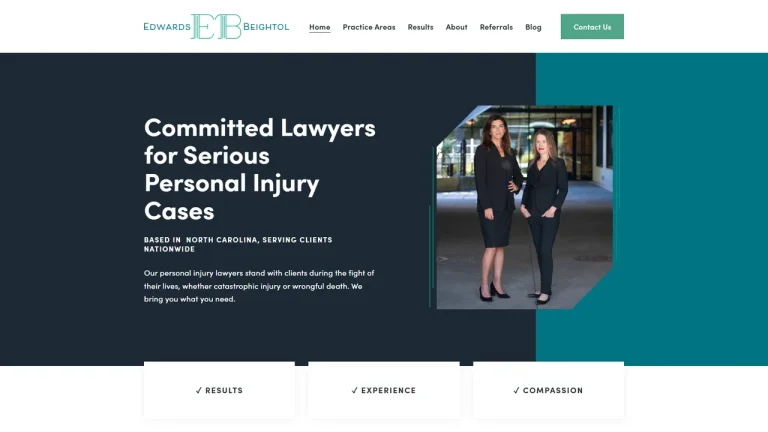
Edwards Beightol, LLC - Raleigh, NC
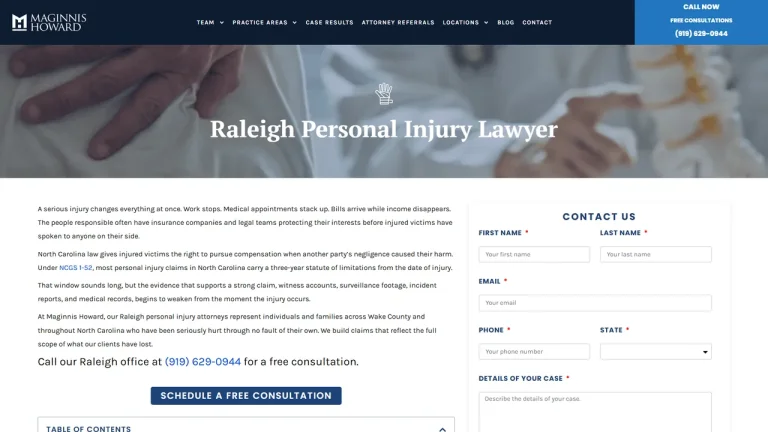
Maginnis Howard Personal Injury Lawyer - Raleigh, NC
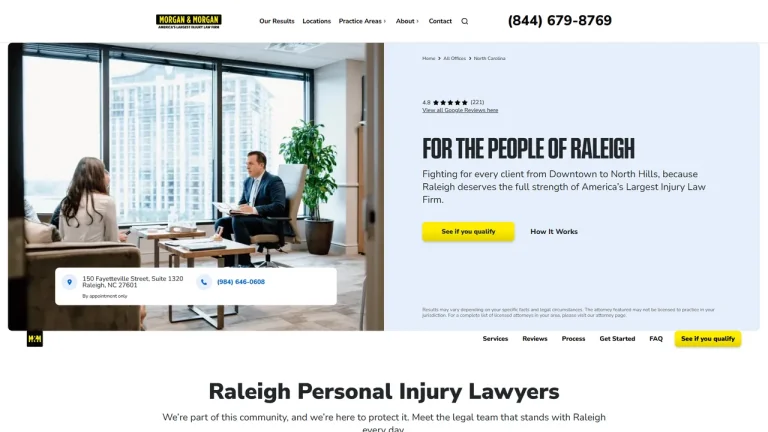
Morgan and Morgan - Raleigh, NC

The Law Offices of Gilda A. Hernandez - Cary, NC
Lynn Fontana, Attorney at Law - Durham, NC
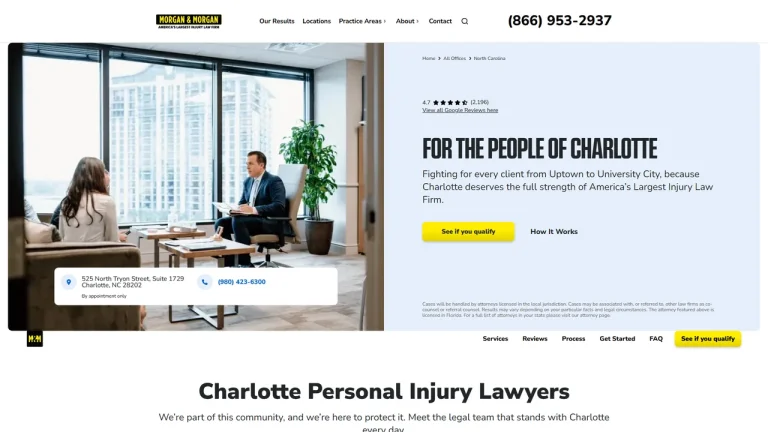
Morgan & Morgan - Charlotte, NC

ALBETTA LAW, Frank J. Albetta, Attorney at Law - Durham, NC

Kornbluth Ginsberg Law Group, P.A. - Durham, NC
Maginnis Howard - Charlotte, NC
Harman Law - Charlotte, NC

Foley & Lardner LLP - Cary, NC
Meyer Law Offices PA - Cary, NC

Maginnis Howard Fayetteville - NC
Judy Tseng, Attorney at Law - Cary, NC
Law Offices of L. Nicole Patino PLLC - Wilmington, NC
Legal Aid of North Carolina-Downtown Durham office
Barham McCoy, PLLC - Raleigh, NC
Enforcing Worker Pay Rights Across North Carolina Courts
Enforcing employee compensation rights in North Carolina involves rigorous application of statutory standards across state and federal courts. Wage and hour disputes are litigated in the North Carolina General Court of Justice-in the District Court Division for claims up to $25,000 and the Superior Court Division for claims exceeding $25,000-or in federal district courts when paired with federal wage provisions.
Across major commercial centers including Charlotte, Raleigh, Durham, and Greensboro, wage violations frequently affect workers in manufacturing, distribution, healthcare, and hospitality. Retaining an attorney admitted by the North Carolina State Bar ensures that payroll practices, tip pool arrangements, and independent contractor agreements are audited against the North Carolina Wage and Hour Act (NCWHA).
Experienced wage practitioners provide vital advocacy when corporate employers unlawfully dock pay, fail to pay overtime, or misclassify non-exempt personnel. Counsel coordinates administrative complaints with the North Carolina Department of Labor (NCDOL) Wage and Hour Bureau and files formal lawsuits to compel full payment alongside mandatory statutory penalties.
Estimated Wage and Hour Legal Fee Structures and Recovery Options
| Case Scenario | Fee Structure | Estimated Cost (USD) | Key Cost Determinants |
|---|---|---|---|
| Individual Unpaid Overtime & Minimum Wage Claim | Contingency / Statutory Fees | 33.3% - 40% of Recovery | Electronic timecard records, off-the-clock mobile audits, mandatory liquidated damages. |
| Unlawful Wage Deductions & Commission Disputes | Contingency / Hourly | 33.3% - 40% of Recovery | Presence of signed deduction authorizations, sales plan terms, final paycheck timing. |
| Collective Action for Independent Contractor Misclassification | Contingency Fee | 30% - 35% of Total Fund | Class size, corporate payroll systems, multi-year payroll auditing in Superior Court. |
| Retaliatory Termination Under REDA for Wage Complaints | Contingency / Retainer | 33.3% - 40% of Recovery | NCDOL administrative findings, statutory treble damages proof, lost back pay modeling. |
Critical Legal Deadlines & Statutes in North Carolina
Wage protections in the state are codified under the North Carolina Wage and Hour Act at N.C. Gen. Stat. § 95-25.1. Under N.C. Gen. Stat. § 95-25.22(f), an action for unpaid minimum wages, overtime compensation, or unpaid promised wages must be commenced within two years after the cause of action accrues, which is extended to three years for willful violations by the employer.
North Carolina provides substantial statutory remedies for prevailing workers. Pursuant to N.C. Gen. Stat. § 95-25.22(a1), an employer who fails to pay required wages is liable for the full amount of unpaid wages plus an equal amount (100%) in mandatory liquidated damages, alongside interest and reasonable attorney fees under N.C. Gen. Stat. § 95-25.22(d). Furthermore, strict rules govern payroll deductions: under N.C. Gen. Stat. § 95-25.8, an employer cannot withhold or divert any portion of wages without advance written authorization signed by the employee. In separation scenarios, final paychecks must be issued on or before the next regular payday pursuant to N.C. Gen. Stat. § 95-25.7.
Small Claims Limitations vs. Professional Wage Counsel
Under North Carolina law, Small Claims Court is capped at $10,000 under N.C. Gen. Stat. § 7A-210. While an employee owed a minor paycheck might consider self-representation before a magistrate, wage disputes rarely remain under small claims thresholds once statutory liquidated damages and attorney fees are calculated under N.C. Gen. Stat. § 95-25.22.
Attempting to represent oneself pro se against corporate employers presents major procedural hurdles. Corporate defendants routinely claim administrative exemptions or argue that off-the-clock work was unauthorized. Pro se workers frequently fail to demand mandatory liquidated damages or omit pre-judgment interest. Retaining an experienced wage attorney ensures that electronic payroll databases and time-clock logs are formally subpoenaed, while shifting the cost of legal fees to the non-compliant employer under statutory fee-shifting provisions.
Red Flags When Selecting a North Carolina Wage & Hour Attorney
- Demanding large upfront out-of-pocket retainer fees from wage earners instead of utilizing statutory fee-shifting and contingency models.
- Failing to seek 100% liquidated damages authorized under N.C. Gen. Stat. § 95-25.22 in addition to back pay.
- Overlooking parallel retaliation protections under the Retaliatory Employment Discrimination Act (REDA).
- Lack of experience in handling multi-employee collective actions in the North Carolina Superior Court Division.
Frequently Asked Questions
What is the statute of limitations for unpaid wages in North Carolina?
Under N.C. Gen. Stat. § 95-25.22(f), an employee has two years to file a lawsuit for unpaid wages or overtime, which extends to three years if the employer committed a willful violation.
Can an employee recover double damages for wage theft in North Carolina?
Yes. Pursuant to N.C. Gen. Stat. § 95-25.22(a1), employers are liable for the unpaid wages plus an equal amount in statutory liquidated damages, effectively doubling the recovery unless good faith is proven.
Can an employer deduct pay for damaged equipment or cash drawer shortages?
Under N.C. Gen. Stat. § 95-25.8, an employer cannot deduct money for cash shortages or damage without prior written employee authorization and advance notice, and deductions cannot reduce pay below minimum wage.
When must an employer issue a final paycheck after job termination in NC?
Under N.C. Gen. Stat. § 95-25.7, an employer must pay all final wages, including accrued bonuses or commissions, on or before the regular payday on which the employee would have been paid.
What happens if an employer fires a worker for demanding unpaid overtime?
Under N.C. Gen. Stat. § 95-241 of REDA, retaliatory discharge for asserting wage rights is strictly illegal, entitling the employee to file a complaint for reinstatement, back wages, and treble damages.