
Residential Real Estate Lawyers in Wilmington, NC
Retaining an experienced residential real estate lawyer in Wilmington ensures clear title, coastal zoning compliance, and secure closing under North Carolina law. Dedicated attorneys manage title searches, resolve boundary discrepancies, and record conveyances with New Hanover County officials. Explore our verified directory below to consult an accomplished Wilmington closing attorney today.
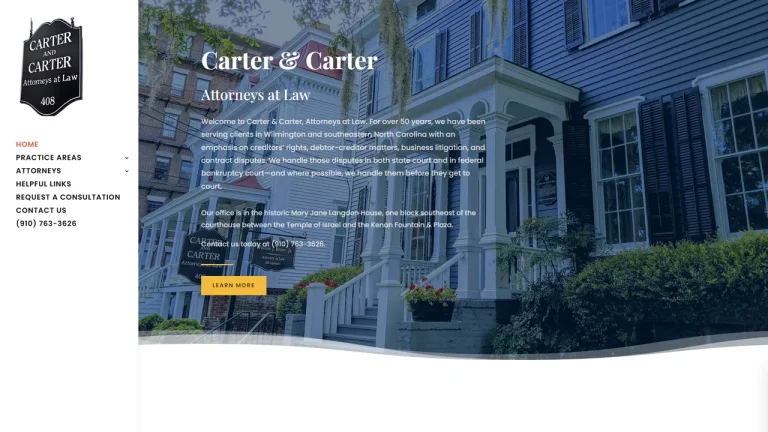
Carter & Carter, P.A., Attorneys at Law - Wilmington, NC

Midtown Law - Wilmington, NC
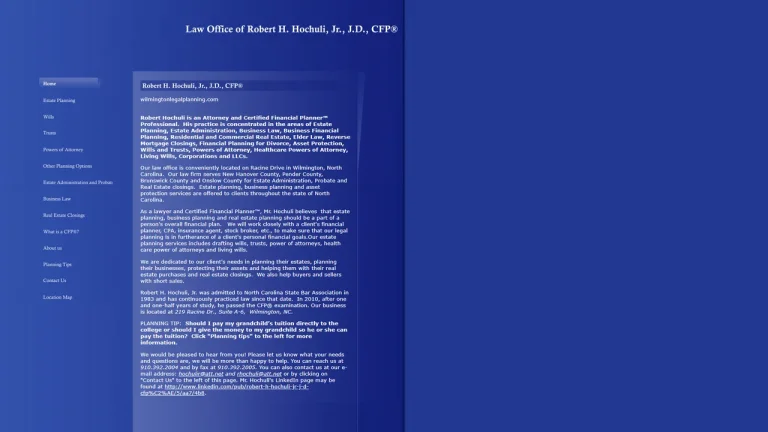
Robert H Hochuli Jr - Wilmington, NC

Block Crouch Keeter Behm & Sayed, LLP - Wilmington, NC

Boyles & Callihan, PLLC - Wilmington, NC
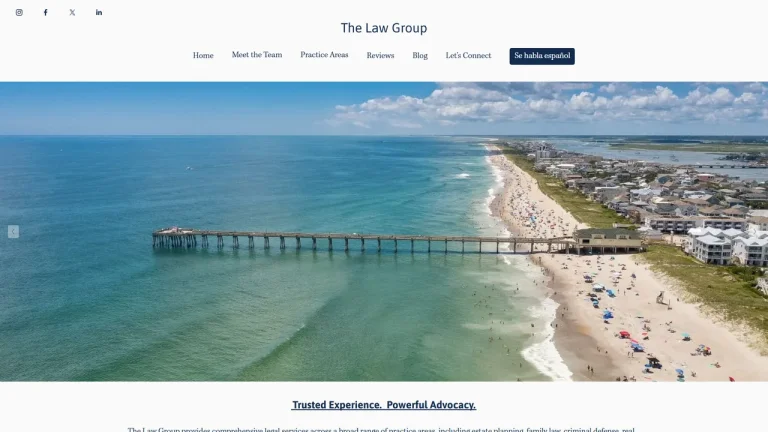
The Law Group, Attorneys and Counselors at Law - Wilmington, NC
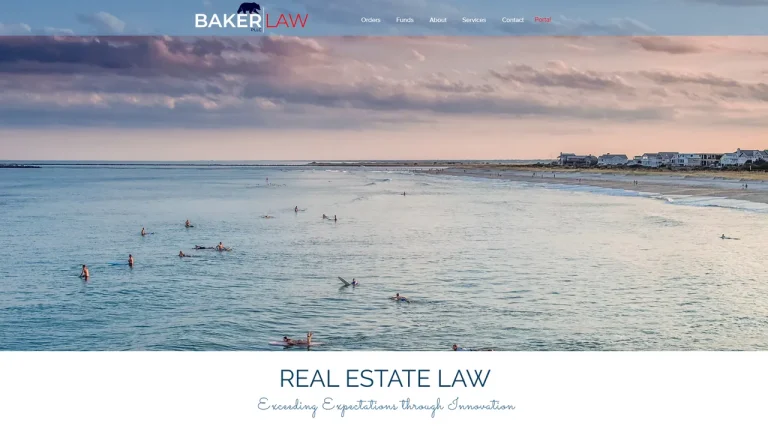
Baker PLLC - Wilmington, NC
The Law Office of Wesley Scott Jones, P.C. - Wilmington, NC
KEN NANCE LAW - Wilmington, NC

J.C. Hearne, II Attorney at Law - Wilmington, NC

Cline Donaldson PLLC - Wilmington, NC

The Wortman Law Firm - Wilmington, NC

Law Office of Kelly M. Toms - Wilmington, NC
Coble Law Firm PC - Wilmington, NC

The DeFrancesco Law Firm PLLC - Wilmington, NC

The Humphries Law Firm P.C. - Wilmington, NC
Coastal Legal Counsel - Wilmington, NC
Collins & Collins Law Offices, PLLC - Wilmington, NC
Seay Law Firm, PLLC - Wilmington, NC
Ward and Smith, P.A. - Wilmington, NC

Equitas Law Partners LLP - Wilmington, NC
Navigating Residential Closings and Coastal Real Estate in Wilmington
Purchasing a home in the Cape Fear region involves distinct coastal considerations, whether acquiring a historic cottage in Downtown Wilmington, a soundfront property near Wrightsville Beach, or a residence in master-planned communities like Landfall and Riverlights. Navigating municipal utility easements, beach setback requirements, and flood hazard designations requires thorough legal due diligence. Working with a local real estate closing attorney protects your investment from unrecorded liabilities.
Under North Carolina law, closing a real estate conveyance constitutes the practice of law, making attorney supervision mandatory for residential transactions. For transactions in New Hanover County, closing attorneys examine title records at the New Hanover County Register of Deeds on Chestnut Street, verify municipal property tax assessments, issue preliminary title opinions to title underwriters, and oversee the execution of loan instruments. Any disputed boundary lines or post-closing escrow conflicts fall under the 5th Judicial District at the New Hanover County Courthouse.
Because North Carolina is a strict pure race state under the Conner Act, the first party to record a deed or mortgage holds superior title priority. An experienced Wilmington residential real estate lawyer ensures funds are properly managed in trust and documents are recorded immediately upon settlement. Furthermore, counsel advises on coastal compliance, ensuring properties satisfy local zoning and environmental buffer mandates.
Estimated Pricing for Residential Real Estate Services in Wilmington
| Case Scenario | Fee Structure | Estimated Cost (USD) | Key Cost Determinants |
|---|---|---|---|
| Standard Residential Purchase Closing & Title Search | Flat Legal Fee | $850 - $1,600 | Lender document volume, municipal lien verification, single-family vs. condominium |
| Coastal / Waterfront Property Purchase & CAMA Review | Flat / Staged Fee | $1,200 - $2,500 | Coastal Area Management Act setback lines, dock permits, flood zone insurance review |
| Residential Loan Refinance Closing | Flat Legal Fee | $650 - $1,100 | Prior mortgage payoff tracking, subordination agreements, recording fees |
| Quiet Title Action & Boundary Dispute Rectification | Hourly Retainer | $3,000 - $8,500 | Heir property search depth, survey discrepancy litigation, court hearing time |
Critical Legal Deadlines & Statutes in North Carolina
Residential real estate transfers and title disputes in Wilmington are strictly governed by statutory timelines. Under North Carolina Conner Act codified in N.C. Gen. Stat. § 47-18, no conveyance of land or lease exceeding three years is valid against lien creditors or subsequent purchasers for valuable consideration until the deed is recorded with the New Hanover County Register of Deeds. North Carolina pure race rule dictates that the first person to record holds legal ownership, regardless of whether they had notice of an earlier unrecorded deed.
Homebuyers are protected by the North Carolina Residential Property Disclosure Act under N.C. Gen. Stat. § 47E-4, which requires sellers to furnish a standardized disclosure statement. Under N.C. Gen. Stat. § 47E-5, if this disclosure is delivered after an offer is submitted, the buyer possesses an absolute statutory three-calendar-day right of rescission to cancel the purchase contract without penalty. When waterfront properties are involved, construction and dock additions are governed by the Coastal Area Management Act under N.C. Gen. Stat. § 113A-118, requiring strict adherence to environmental permit conditions.
Small Claims Limits vs. Professional Representation in North Carolina
Magistrate courts in North Carolina adjudicate small claims capped at $10,000 pursuant to N.C. Gen. Stat. § 7A-210. While an unrepresented buyer or seller can utilize small claims court to dispute an earnest money deposit or small contractor invoice, magistrate courts lack subject-matter jurisdiction over real estate title disputes, boundary declarations, or partition actions.
Attempting to handle real estate transfers without licensed legal representation violates North Carolina attorney-closing laws codified in N.C. Gen. Stat. § 84-2.1. Non-lawyers cannot issue certified title opinions, resolve complex title defects, or draft conveyances. Retaining an attorney admitted to the North Carolina State Bar guarantees that thirty-year title searches satisfy the North Carolina Marketable Title Act under N.C. Gen. Stat. § 47B-1 and ensures that deeds are recorded with New Hanover County officials without intervening clouds on title.
Red Flags When Hiring a Residential Real Estate Lawyer
- High-Volume Closing Mills Without Attorney Oversight: Steer clear of law practices that delegate closing conferences entirely to non-attorney paralegals without an attorney conducting the formal settlement.
- Ignoring Coastal Setback Rules: In Wilmington, failure to evaluate Coastal Area Management Act (CAMA) buffer zones can result in severe fines or inability to build planned home additions.
- Unexplained Closing Fee Surcharges: Review your closing disclosure carefully for padded administrative line items, courier charges, or undisclosed search markup fees.
- Delayed Document Recording: Under North Carolina pure race statute, any gap between disbursement and deed recording at the New Hanover County Register of Deeds exposes you to intervening liens.
Frequently Asked Questions
Why is a closing attorney required for residential purchases in Wilmington?
Under N.C. Gen. Stat. § 84-2.1, searching title, drafting conveyances, and certifying title insurance constitute the practice of law, requiring a licensed North Carolina attorney to oversee the settlement.
What is a CAMA permit and why is it important in Wilmington?
The Coastal Area Management Act under N.C. Gen. Stat. § 113A-118 regulates development in coastal areas of environmental concern, governing setbacks, bulkheads, and piers along Wilmington waterways.
How does North Carolina 'pure race' recording statute protect homebuyers?
Under N.C. Gen. Stat. § 47-18, the first deed recorded with the New Hanover County Register of Deeds holds legal ownership priority over any unrecorded deed, making instant post-closing recording vital.
What is the 3-day right of rescission on North Carolina property disclosures?
Under N.C. Gen. Stat. § 47E-5, if the seller provides the mandatory disclosure statement after the contract is signed, the buyer has three calendar days to terminate the transaction without penalty.
Where are residential real estate deeds recorded in Wilmington?
Deeds, deeds of trust, and land surveys for Wilmington properties are formally recorded with the New Hanover County Register of Deeds located on Chestnut Street in downtown Wilmington.