
Divorce Lawyers in North Dakota
Filing for divorce in North Dakota? Connect with experienced divorce attorneys to protect your separate assets and secure fair property division. Dedicated legal counsel navigates the Ruff-Fischer guidelines and statewide mediation protocols, resolving marital disputes outside the courtroom. Browse our verified statewide directory below to schedule an initial consultation with top-rated North Dakota divorce lawyers.
L. Benson Law PLLC - Fargo, ND

Hanson and Moen Law, PLLC - Fargo, ND

Jackson, Welder and Arthurs, Inc. Bismarck, ND
Nilles Law Firm - Fargo, ND

Elsberry and Shively Law, PC - Bismarck, ND

Justin Hager PC - Bismarck, ND

Gjesdahl Law, P.C. - Fargo, ND
Schwab, Thompson & Frisk, Bismarck, ND

Pladson Law Office - Fargo, ND
Heartland Law Office, P.C. - Bismarck, ND

Oster Law Office - Fargo, ND
Sandsmark Law - Fargo, ND
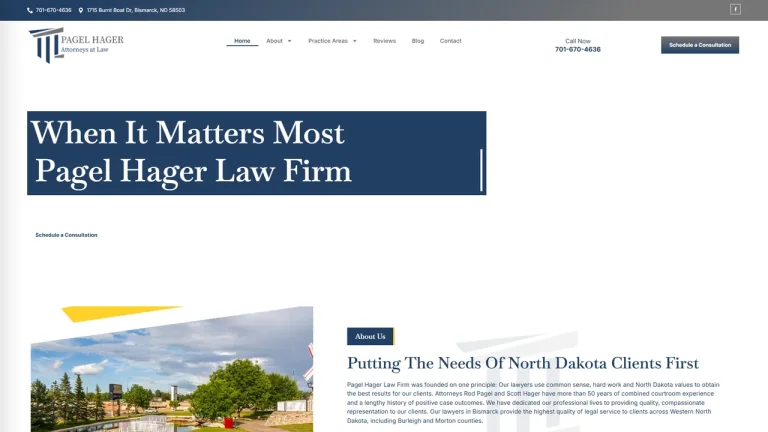
Pagel Hager Law Firm - Bismarck, ND
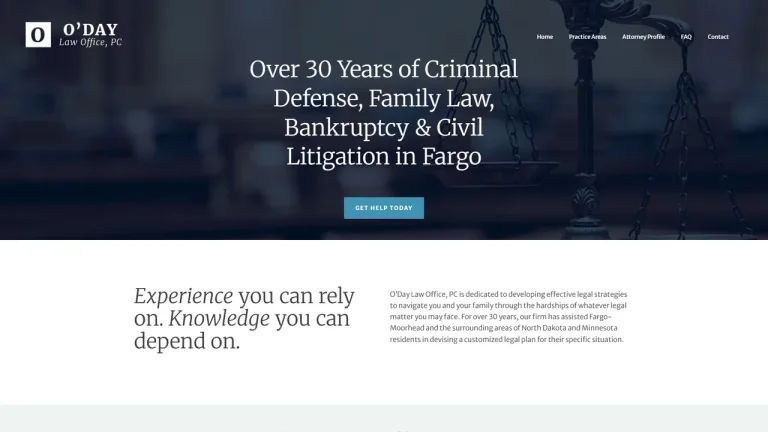
ODay Law Office PC - Fargo, ND

Balaban Law Office - Bismarck, ND

Melinda Weerts Law, PLLC - Fargo, ND

Nilson Brand Law - Fargo, ND
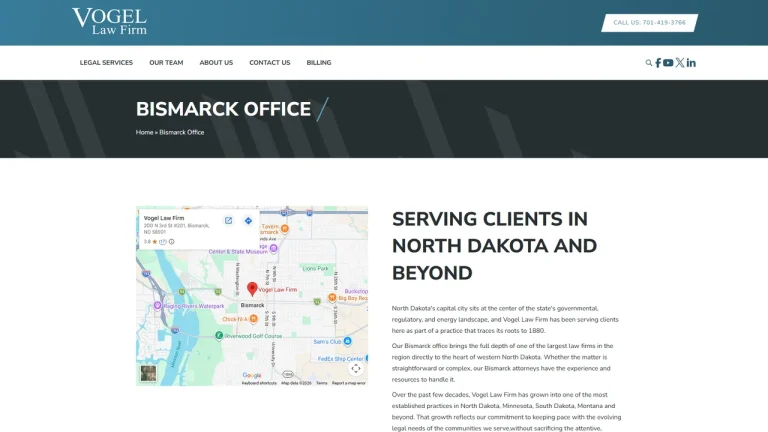
Vogel Law Firm - BISMARCK, ND

Hill Law Office, PLLC - Fargo, ND

Mulloy Law - Bismarck, ND
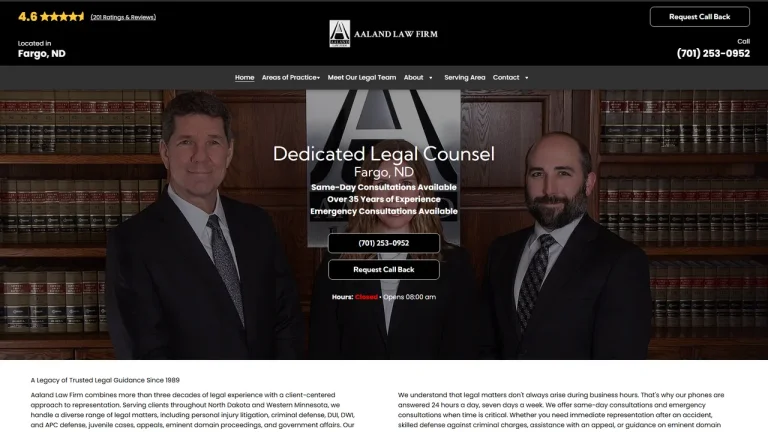
Aaland Law Firm - Fargo, ND

Johnson Law Office PC - Fargo, ND
Richard Linnerooth Law Office - Fargo, ND

Navigating North Dakota Divorce Jurisdiction & Court Venues
Marriage dissolutions in North Dakota fall under the exclusive original jurisdiction of the North Dakota District Court system. Across the state's eight judicial districts-including Cass County District Court in Fargo, Burleigh County District Court in Bismarck, Grand Forks County District Court, and Williams County District Court in Williston-district court judges preside over all divorce, property division, and spousal support proceedings.
North Dakota permits dissolutions on both fault and no-fault grounds. While the vast majority of actions proceed under the no-fault ground of irreconcilable differences, statutory fault grounds-such as adultery, extreme cruelty, willful desertion, and continuous substance abuse-remain available and can influence judicial discretion. North Dakota requires plaintiffs to satisfy good-faith residency standards before a final decree of divorce can be executed by the court.
A critical characteristic of North Dakota divorce law is its treatment of marital property. Unlike jurisdictions that strictly insulate separate assets, North Dakota requires all property owned by either spouse to be brought into the marital estate, where it is equitably divided pursuant to the landmark Ruff-Fischer Guidelines. Retaining an attorney admitted to the State Bar Association of North Dakota is crucial to protect agricultural farm holdings, generational cattle ranches, and oil and gas royalty interests from disproportionate division.
North Dakota Divorce Legal Representation & Estimated Costs
| Case Scenario | Fee Structure | Estimated Cost (USD) | Key Cost Determinants |
|---|---|---|---|
| Uncontested Divorce (Settlement Stipulation & Summary Decree) | Flat Fee | $1,500 - $3,500 | Preparation of marital termination agreement, complete property inventory schedules, and waiver of formal evidentiary trial. |
| Contested Asset & Debt Division (Ruff-Fischer Application) | Retainer + Hourly ($250 - $450/hr) | $5,000 - $15,000 | Tracing premarital contributions, retirement asset valuation (QDROs), personal property appraisals, and contested court hearings. |
| Complex Farm, Ranch & Mineral Rights Property Litigation | Retainer + Hourly ($300 - $550/hr) | $12,000 - $35,000+ | Agricultural real estate appraisals, petroleum royalty income valuations, corporate farming entity audits, and expert testimony. |
| Spousal Support (Rehabilitative or Permanent Maintenance) Trial | Retainer + Hourly ($275 - $500/hr) | $4,500 - $14,000 | Earning disparity analysis, marital duration, vocational assessments, and health/age factors under statutory guidelines. |
Critical Legal Deadlines & Statutes in North Dakota
Divorce litigation in North Dakota must satisfy precise statutory procedural prerequisites. Under N.D. Cent. Code § 14-05-17, a divorce decree may not be entered unless the plaintiff has been a resident of the state in good faith for at least six months prior to the entry of the final decree. If the plaintiff has resided in the state for less than six months when filing the complaint, proceedings may begin, but final judgment cannot be granted until the six-month residency threshold is met.
Substantive grounds for divorce are codified at N.D. Cent. Code § 14-05-03, with no-fault irreconcilable differences authorized under N.D. Cent. Code § 14-05-09.1. Property and debt distribution is governed by N.D. Cent. Code § 14-05-24, requiring the District Court to make an equitable distribution based upon the Ruff-Fischer factors. These factors include the respective ages of the parties, earning abilities, duration of marriage, conduct during the marriage, station in life, and the circumstances and necessities of each spouse.
Spousal support awards are controlled by N.D. Cent. Code § 14-05-24.1, which authorizes rehabilitative or permanent spousal support. Rehabilitative support is designed to provide an economically disadvantaged spouse with resources and time to achieve educational or vocational self-sufficiency, whereas permanent support is reserved for long-duration marriages involving significant age or health disparities.
Small Claims Limits vs. District Court Divorce Jurisdiction
Under N.D. Cent. Code § 27-08.1-01, the North Dakota Small Claims Court exercises summary jurisdiction over minor monetary recovery actions not exceeding $15,000. Small claims courts provide an informal dispute forum for small property damage and contract breaches without legal representation. However, small claims courts possess zero statutory authority over divorce, marital property division, spousal maintenance, or domestic relations.
All divorce and property actions belong exclusively within the jurisdiction of the North Dakota District Court. Because state law places all assets-including premarital land, inherited acreage, family trusts, and Bakken mineral rights-into the marital pot subject to equitable division under N.D. Cent. Code § 14-05-24, attempting self-representation is extraordinarily hazardous. An unrepresented spouse risks inadvertently forfeiting substantial mineral royalties, accepting unfair debt allocations, or executing defective property settlement agreements. Qualified legal counsel ensures that assets are appraised accurately and financial interests are protected.
Red Flags When Selecting a North Dakota Divorce Lawyer
- Attorneys who assert that inherited farmland, cattle, or mineral royalties are automatically excluded from the marital estate under North Dakota law.
- Promising an equal 50/50 split of marital assets, ignoring that North Dakota law mandates equitable (fair) distribution rather than equal division under the Ruff-Fischer doctrine.
- Failing to employ qualified petroleum landmen, agricultural appraisers, or forensic accountants when valuing complex North Dakota assets.
- Retainer contracts with hidden fees that fail to specify costs for contested discovery, motion hearings, or formal trial representation.
Frequently Asked Questions
What is the residency requirement to file for divorce in North Dakota?
Under North Dakota statute, the plaintiff must be a resident of the state in good faith for at least six months immediately preceding the entry of the final divorce decree by the District Court.
How are separate assets and inheritances divided in a North Dakota divorce?
In North Dakota, all property owned by either spouse-including premarital, inherited, or gifted property-is included in the marital estate. The court applies the Ruff-Fischer Guidelines to equitably divide the estate, considering the origin of the property.
Are mineral rights and oil royalties subject to division upon divorce?
Yes. Mineral interests and ongoing oil and gas royalties are considered marital property subject to equitable distribution under state law, requiring professional petroleum valuation to ensure equitable division or buyout.
What is the difference between rehabilitative and permanent spousal support?
Rehabilitative support is temporary financial assistance intended to allow an economically disadvantaged spouse to acquire education, skills, or employment to become self-supporting. Permanent support is ongoing maintenance typically awarded after long marriages where self-sufficiency cannot be attained.
Does marital misconduct like adultery affect property division in North Dakota?
Yes. While North Dakota allows no-fault divorce, fault and conduct during the marriage are factors considered under the Ruff-Fischer Guidelines, allowing judges to weigh significant marital misconduct when dividing property or determining spousal support.