
Probate Lawyers in North Dakota
Connect with top North Dakota probate lawyers to navigate estate administration, settle creditor claims, and resolve will contests under the Uniform Probate Code. Experienced attorneys handle formal and informal probate across all state judicial districts, ensuring mineral rights and real property conveyances remain marketable. Browse our statewide directory below to schedule an initial case evaluation.
Sandin Law - Fargo, ND

Scheidecker Law, PLLC - Fargo, ND

Severin Law Firm - Bismarck, ND

Craig A. Peterson, Ltd. - Fargo, ND
Jackson, Welder and Arthurs, Inc. Bismarck, ND
Wold Johnson, P.C. - Fargo, ND
Zimmerman Law, PC - Bismarck, ND
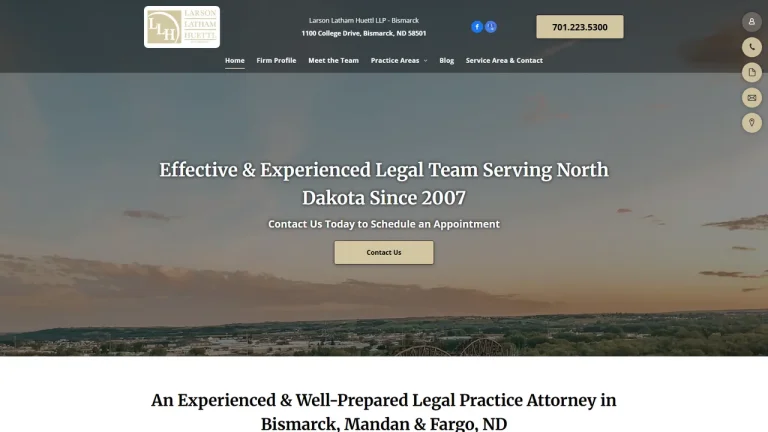
Larson Latham Huettl Attorneys Bismarck, ND

Thomas J. Glass, Attorney at Law - Bismarck, ND
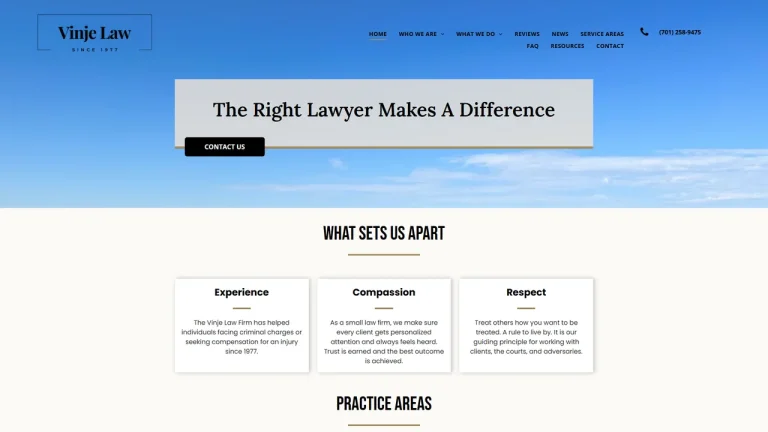
Vinje Law Firm - Bismarck, ND

Cheryl Bergian Law Office - Fargo, ND
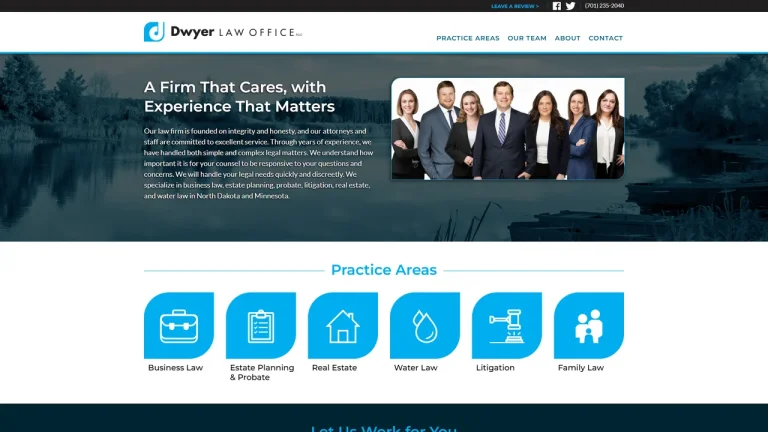
Dwyer Law Office, PLLC - Fargo, ND

Law Office of Janel C. Frank, PLLC - Bismarck, ND

Brazil Law Office PLLC - Fargo, ND

Weisz Law & CPA, PC - BISMARCK, ND
Chapman & Chapman - Bismarck, ND
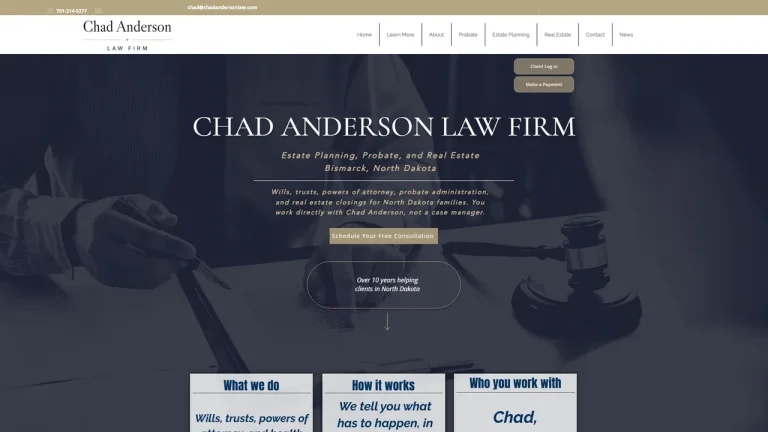
Chad Anderson Law Firm - Bismarck, ND

Astrup Law Office, P.C. - Fargo, ND
Schaff Planning Group - BISMARCK, ND

Borkuslaw Group, Ltd. - Bismarck, ND
Estate Administration & Court Jurisdiction in North Dakota
Administering a decedent estate in North Dakota requires strict compliance with the North Dakota Uniform Probate Code (UPC), codified under Title 30.1 of the North Dakota Century Code. Whether managing ancestral agricultural acreage in the Red River Valley or severed mineral rights across the Bakken formation, personal representatives must adhere to statutory fiduciary duties. Estate proceedings are initiated in the North Dakota District Court in the county where the decedent resided at the time of death or owned real property, such as the East Central Judicial District in Cass County (Fargo), the South Central Judicial District in Burleigh County (Bismarck), or the Northwest Judicial District in Williams County (Williston).
North Dakota probate law divides estate administration into informal and formal proceedings. Informal probate is an administrative process conducted through the Clerk of District Court serving as the probate registrar, designed for uncontested estates with clear, valid wills. Formal probate requires judicial hearings before a District Court judge, necessary when disputes arise regarding will validity, heirship determinations, or appointment priority. Civil probate filings and estate inventories are managed electronically through the statewide North Dakota Odyssey portal. Retaining a dedicated North Dakota probate lawyer ensures that real estate deeds of distribution, mineral lease transfers, and estate accountings comply with state title standards.
Common North Dakota Probate Legal Fee Structures
| Case Scenario | Fee Structure | Estimated Cost (USD) | Key Cost Determinants |
|---|---|---|---|
| Informal Uncontested Estate Administration | Flat or Hourly Rate | $2,000 - $4,500 ($250 - $400/hr) | Clear valid will, cooperative heirs, straightforward bank assets, and published creditor notice. |
| Formal Supervised Probate / Contested Will | Retainer + Hourly Rate | $5,000 - $16,000+ ($300 - $500/hr) | Undue influence claims, testamentary capacity challenges, evidentiary court hearings, and expert testimony. |
| Severed Mineral Acreage & Agricultural Land Transfer | Hourly or Flat Rate | $2,500 - $6,000 | Title abstracting across multiple counties, oil and gas division orders, and operator lease assignments. |
| Small Estate Affidavit Collection | Flat Fee | $500 - $1,200 | Estate personal property valuation under statutory limit, absence of real property dispute, and lien audits. |
Critical Legal Deadlines & Statutes in North Dakota
Estate administration in North Dakota is governed by firm statutory timelines. Under N.D. Cent. Code § 30.1-12-08, an informal or formal probate proceeding to establish a will or appoint a personal representative must be commenced within three years from the date of the decedent death. If no proceeding is initiated within this three-year window, the right to probate the will is extinguished, and the estate must be distributed under the laws of intestate succession or formal heirship determination under N.D. Cent. Code § 30.1-12-01.
Personal representatives must also satisfy creditor claim schedules. Under N.D. Cent. Code § 30.1-19-03, creditors must present claims within three months after the date of first publication of notice to creditors in a legal newspaper published in the county; if notice is not published, creditors have up to three years after death to assert claims against the estate. Surviving spouses are protected under N.D. Cent. Code § 30.1-05-01, which allows an elective share of up to 50% of the augmented estate. Pursuant to N.D. Cent. Code § 30.1-05-05, the petition for an elective share must be filed within nine months after the date of death or within six months after the probate of the decedent will, whichever expires later.
Small Estate Affidavit vs. Formal District Court Probate
Under N.D. Cent. Code § 30.1-23-01, successors may collect personal property without formal court probate using an affidavit if the gross value of the decedent entire estate subject to probate, less liens and encumbrances, does not exceed $50,000, provided thirty days have elapsed since the date of death. Unrepresented family members frequently utilize this summary procedure to transfer bank accounts, vehicles, and uncashed checks directly from financial institutions.
However, the small estate affidavit cannot be used to transfer real property or severed mineral interests. In North Dakota, transferring legal title to real estate, farmland, or oil and gas royalties requires a formal Personal Representative Deed of Distribution recorded in the county recorder office or an order from the North Dakota District Court. Attempting to manage an estate involving oil producing land, contested heirship, or business assets without formal probate clouds title, prevents oil companies from paying royalties, and exposes the family to costly quiet title litigation. A probate attorney ensures that title instruments are executed correctly to preserve marketable title across state land registries.
Red Flags When Selecting a North Dakota Probate Lawyer
- Failing to file the probate petition within the strict three-year statutory deadline established under N.D. Cent. Code § 30.1-12-08, permanently forfeiting the right to probate the decedent will.
- Lawyers who attempt to utilize small estate affidavits to convey farmland or severed oil and gas mineral interests, creating title clouds.
- Omitting formal published notice to creditors under N.D. Cent. Code § 30.1-19-03, leaving the personal representative individually vulnerable to lingering creditor claims for three years.
- Attorneys who charge percentage-based fees rather than hourly or reasonable flat fees; under North Dakota UPC standards, estate legal fees must reflect reasonable compensation for actual services rendered.
Frequently Asked Questions
What is the statutory deadline to probate a will in North Dakota?
Under N.D. Cent. Code § 30.1-12-08, probate proceedings must be initiated within three years of the decedent death. After three years, the estate is generally distributed under the state statutory rules of intestacy.
What is the monetary limit for a small estate affidavit in North Dakota?
Under N.D. Cent. Code § 30.1-23-01, an estate with personal property valued at $50,000 or less, minus liens and encumbrances, can be collected via affidavit without formal probate, provided thirty days have passed since death.
Can real estate or mineral rights be transferred using a small estate affidavit?
No. Small estate affidavits apply exclusively to personal property. Transferring title to real estate, agricultural land, or oil and gas mineral rights requires formal probate or a court decree to maintain marketable title.
How long do creditors have to file claims against an estate in North Dakota?
Under N.D. Cent. Code § 30.1-19-03, creditors have three months to present claims after the personal representative publishes notice in a local legal newspaper, or three years from the date of death if notice is not published.
What is the difference between formal and informal probate in North Dakota?
Informal probate is an administrative filing through the Clerk of District Court for uncontested wills, whereas formal probate involves judicial hearings before a District Court judge to resolve disputed wills, ambiguous language, or heirship conflicts.