
Wills, Estate Planning & Probate Lawyers in North Dakota
Protect family assets and streamline probate administration in North Dakota with experienced estate planning attorneys skilled in the Uniform Probate Code. Dedicated legal counsel structures wills, revocable trusts, agricultural succession plans, and durable powers of attorney to safeguard your legacy. Explore our verified statewide directory below to consult with top-rated North Dakota estate planning lawyers.

Weisz Law & CPA, PC - BISMARCK, ND

Elsberry and Shively Law, PC - Bismarck, ND
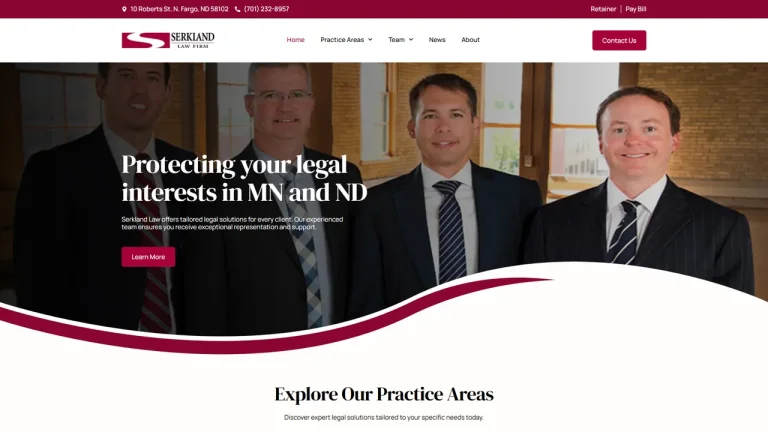
Serkland Law Firm - Fargo, ND

Law Office of Janel C. Frank, PLLC - Bismarck, ND

Gjesdahl Law, P.C. - Fargo, ND
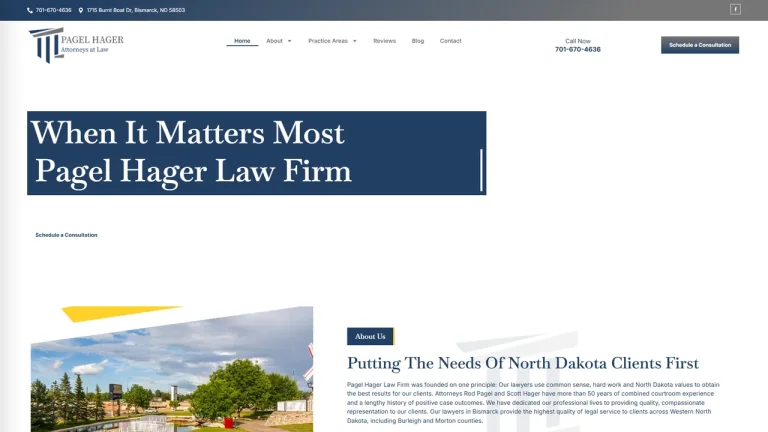
Pagel Hager Law Firm - Bismarck, ND
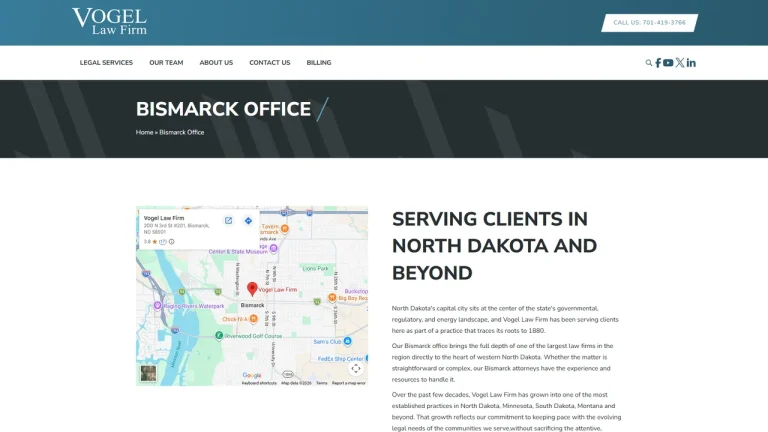
Vogel Law Firm - BISMARCK, ND
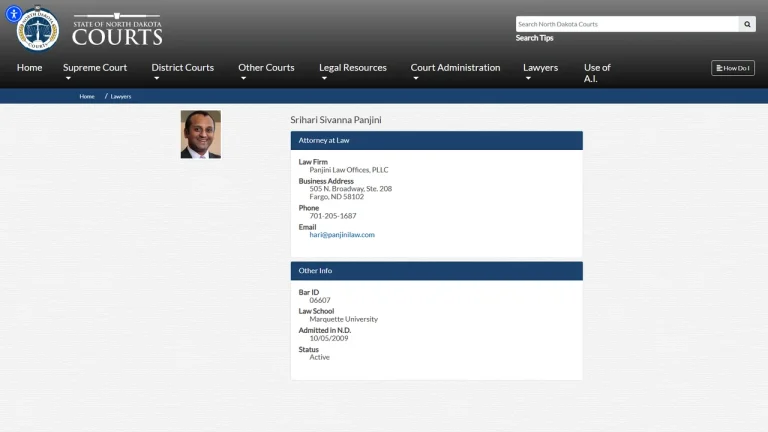
Panjini Law Offices - Fargo, ND
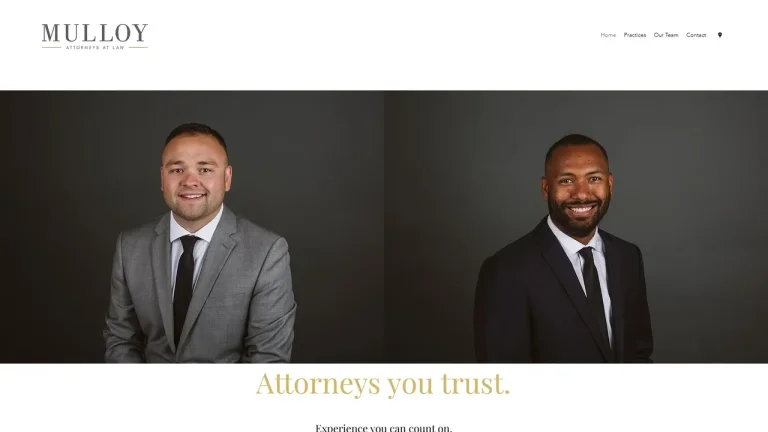
Mulloy Law - Bismarck, ND

Thomas J. Glass, Attorney at Law - Bismarck, ND

Severin Law Firm - Bismarck, ND

Goetz Fischer LLP - Bismarck, ND
Tschider & Smith - Bismarck, ND

Liedman Law PLLC - Fargo, ND

Knoll Leibel LLP - Bismarck, ND
Schaff Planning Group - BISMARCK, ND
ABST Law - Fargo, ND

Fredrikson & Byron, P.A. - Bismarck, ND

Justin Hager PC - Bismarck, ND
Montgomery & Pender, PC - Fargo, ND
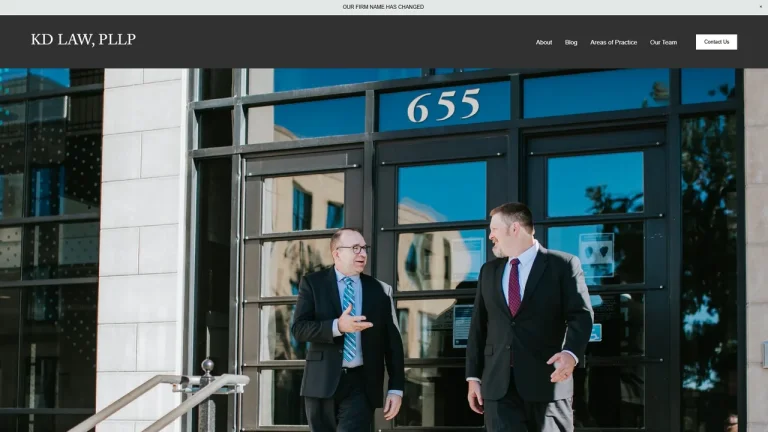
Kaler Doeling PLLP - Fargo, ND
Richard Linnerooth Law Office - Fargo, ND

Turman and Lang Ltd - Fargo, ND
Estate Planning and Probate Jurisdiction in North Dakota
Preserving family wealth, agricultural acreage, and mineral rights in North Dakota requires a well-structured estate plan anchored in state statutory law. Unlike states with separate probate courts, North Dakota administers all probate proceedings, estate disputes, and adult guardianship petitions directly through the North Dakota District Courts across the state eight judicial districts, serving communities in Cass, Burleigh, Grand Forks, Ward, and Williams counties.
Probate administration is governed by the North Dakota Uniform Probate Code, providing streamlined avenues for informal probate when an original, valid will exists without family disputes. However, if an heir contests testamentary capacity, challenges fiduciary accountings, or disputes the title to real property, the proceeding shifts into formal probate before a District Court judge.
Retaining qualified North Dakota estate planning and probate counsel ensures that your testamentary documents strictly adhere to statutory requirements. Experienced attorneys incorporate self-proving affidavits, draft comprehensive revocable living trusts to bypass probate, and design specialized succession strategies for multi-generational farms and mineral interests.
Legal Fee Structures for Estate Planning and Probate in North Dakota
| Case Scenario | Fee Structure | Estimated Cost (USD) | Key Cost Determinants |
|---|---|---|---|
| Comprehensive Estate Plan (Will, POA, Health Directive) | Flat Fee | $1,000 - $2,500 | Individual versus married couple, asset complexity, self-proving affidavit execution. |
| Trust-Based Estate & Farm Succession Plan | Flat Fee / Retainer | $2,500 - $6,000 | Revocable living trust, mineral deed conveyances, agricultural land transfer terms. |
| Uncontested Informal Probate Administration | Flat / Hourly ($250 - $400/hr) | $2,000 - $5,000 | Creditor notice publications, inventory preparation, informal closing statements. |
| Contested Probate & Fiduciary Litigation | Hourly Rate ($300 - $500/hr) | $7,500 - $30,000+ | District Court trial days, undue influence allegations, disputed mineral title claims. |
Critical Legal Deadlines & Statutes in North Dakota
Estate administration and testamentary execution are codified under Title 30.1 of the North Dakota Century Code, adopting the Uniform Probate Code. Under N.D. Cent. Code § 30.1-08-02, a valid will must be in writing, signed by the testator or by someone in the testator conscious presence at their direction, and signed by at least two individuals who witnessed the signing. Wills may be made self-proving at execution via a notarized affidavit pursuant to N.D. Cent. Code § 30.1-08-04. Holographic wills are valid under N.D. Cent. Code § 30.1-08-03 if the signature and material portions are in the handwriting of the testator.
Timing is critical under North Dakota probate rules. Under N.D. Cent. Code § 30.1-12-08, an informal or formal probate proceeding must generally be initiated within 3 years after the decedent death. Surviving spouses are protected by statutory elective share rights under N.D. Cent. Code § 30.1-05-01, entitling them to claim 50% of the decedent augmented estate.
For modest estates, personal property valued under $50,000 may be collected by affidavit 30 days after death under N.D. Cent. Code § 30.1-23-01. Incapacity planning is governed by the Uniform Durable Power of Attorney Act under N.D. Cent. Code § 30.1-30-01 and the Health Care Directives Act under N.D. Cent. Code § 23-06.5-01.
Informal Probate Affidavits vs. District Court Representation
In situations involving small estates without real property valued under $50,000, heirs may utilize the small estate affidavit procedure under N.D. Cent. Code § 30.1-23-01 without court hearings. Furthermore, while the North Dakota Small Claims Court hears minor money claims up to $15,000 under N.D. Cent. Code § 27-08.1-01, it has no authority over decedents estates, wills, or trusts.
For estates holding real estate, farm acreage, or severed mineral interests, formal or informal probate in District Court is legally required to transfer clean title. Attempting to administer an estate pro se risks personal liability for personal representatives under fiduciary duty rules. Retaining experienced probate counsel ensures proper creditor notice publication, prevents beneficiary disputes, and guarantees statutory asset distribution.
Red Flags When Selecting an Estate Planning Lawyer
- Providing generic trust templates that fail to execute deeds transferring North Dakota real estate and severed mineral rights into the trust name.
- Overlooking the strict 3-year statutory deadline to probate a will under the North Dakota Uniform Probate Code.
- Inexperience with agricultural succession planning and corporate farming restrictions under North Dakota law.
- Failure to advise testators on the statutory elective share protections granted to surviving spouses under state code.
Frequently Asked Questions
What are the legal requirements for a valid will in North Dakota?
Under the North Dakota Uniform Probate Code, the testator must be at least 18 years old and of sound mind. The will must be in writing, signed by the testator, and signed by at least two individuals who witnessed the signing or the testator acknowledgment of the signature.
What is the statutory time limit to probate a will in North Dakota?
Under state statute, an informal or formal probate proceeding must generally be commenced within three years of the decedent death. After three years, probate cannot be initiated to appoint a personal representative, and assets pass under statutory intestacy rules.
Can a small estate avoid probate in North Dakota?
Yes. If the value of the decedent entire personal estate, less liens and encumbrances, does not exceed $50,000, heirs may collect personal property and bank funds using an Affidavit for Collection of Personal Property thirty days after death without formal probate.
What is the surviving spouse elective share under North Dakota law?
Under North Dakota law, a surviving spouse has the statutory right to elect to take 50 percent of the decedent augmented estate, preventing disinheritance regardless of whether a will attempts to leave them a lesser amount.
Are holographic (handwritten) wills valid in North Dakota?
Yes. A holographic will is legally valid in North Dakota, even if not witnessed, provided that the signature and all material portions of the document are in the handwriting of the testator and testamentary intent is evident.