
Divorce & Family Law Lawyers in Cleveland
Engaging an experienced divorce and family law lawyer in Cleveland protects your parental rights and financial security through complex domestic proceedings. Skilled legal counsel navigates equitable asset division, negotiates sustainable custody arrangements, and resolves contentious marital disputes out of court. Review our verified directory below to consult an established Cuyahoga County family law attorney.

Matthew Harris Lucas - Cleveland, OH
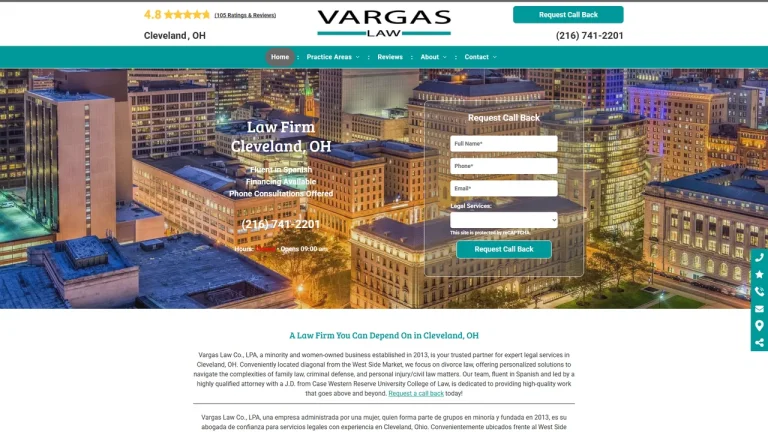
Vargas Law Co. LPA - Cleveland, OH

CARUSO LAW OFFICES, LLC - Cleveland, OH

Lipson O'Shea Legal Group - Cleveland, OH

Richard E. Hackerd - Cleveland, OH
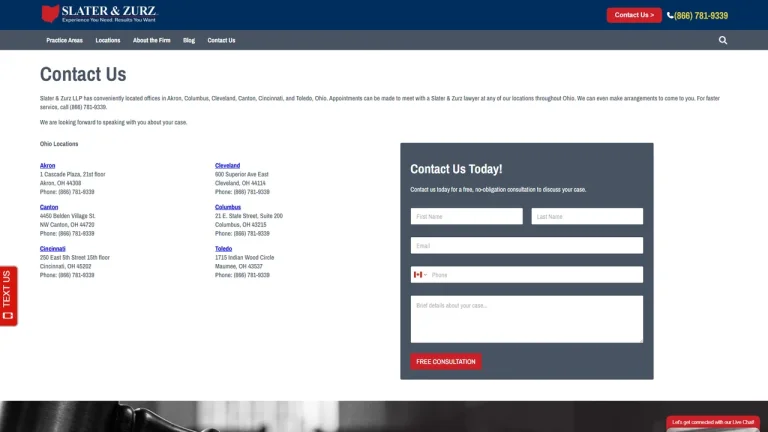
Slater and Zurz LLP - Cleveland, OH
Mary J. Biacsi Esq - Cleveland, OH

Law Office of Eric Levy and Jaye Schlachet - Cleveland, OH

Hans C Kuenzi - Cleveland, OH

McDonald Humphrey LLP - Cleveland, OH

Susan Moran - Cleveland, OH

Dworken and Bernstein Co. L.P.A. - Cleveland, OH

The Nickolls Law Firm, LLC - Cleveland, OH

Mary Jo Hanson LLC - Cleveland, OH

Zashin & Rich - Cleveland, OH
Paul Knott Co L.P.A. - Cleveland, OH

Cuyahoga County Public Defender's Office - Juvenile Division - Cleveland, OH

Patituce & Associates - Cleveland, OH

Gioffre & Schroeder Co., L.P.A. - Cleveland, OH

Bradley Hull IV Esquire LLC - Cleveland, OH
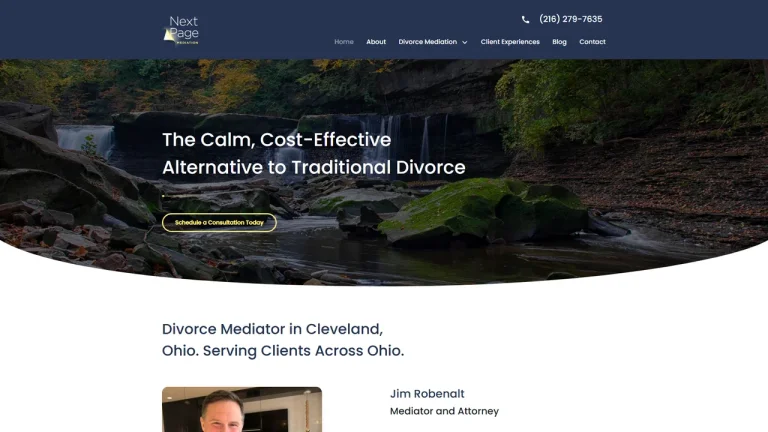
Next Page Mediation - Cleveland, OH
Thomas L. Anastos - Cleveland, OH

Greta E. Fifner, Attorney at Law - Cleveland, OH

Navigating Cuyahoga County Domestic Relations Court and Family Law
Undergoing a divorce, legal separation, or child custody dispute is one of the most stressful legal experiences an individual can face. In Cleveland, family law matters involve dividing significant marital estates, establishing parental rights, and structuring long-term support obligations. From downtown residential high-rises to established suburban communities in Westlake, Lakewood, Shaker Heights, and Solon, skilled legal guidance ensures equitable solutions.
In Cuyahoga County, all divorce, dissolution, and spousal support proceedings fall under the exclusive jurisdiction of the Cuyahoga County Court of Common Pleas, Domestic Relations Division, located at Courthouse Square on West Lakeside Avenue in Cleveland. If custody matters involve unmarried parents, cases proceed before the Cuyahoga County Juvenile Court on Quincy Avenue. Navigating these local courts requires precise adherence to local domestic relations rules.
Retaining an experienced Cleveland family law attorney protects your custodial relationship with your children and secures your financial future. Knowledgeable counsel frequently resolves high-conflict parenting disputes and property divisions through structured negotiation, collaborative law, or domestic relations mediation, limiting stressful courtroom appearances while protecting your family's privacy.
Common Cleveland Family Law Fee Structures and Case Scenarios
| Case Scenario | Fee Structure | Estimated Cost (USD) | Key Cost Determinants |
|---|---|---|---|
| Uncontested Dissolution of Marriage | Fixed Flat Fee | $1,800 - $4,500 | Separation agreement terms, parenting plan consensus, absence of property disputes |
| Contested Divorce with Child Custody Dispute | Hourly Rate ($275 - $450/hr) | $7,500 - $25,000+ | Guardian ad litem (GAL) appointment, forensic custody evaluation, contested trial days |
| High-Net-Worth Divorce & Business Valuation | Hourly Rate ($325 - $525/hr) | $15,000 - $50,000+ | Forensic accounting audits, corporate equity valuations, separate asset tracing, QDROs |
| Post-Decree Custody & Support Modification | Hourly Rate ($250 - $400/hr) | $3,000 - $9,000 | Substantial change in circumstances, parental relocation petitions, income verification |
Critical Legal Deadlines & Statutes in Ohio
Ohio domestic relations statutes set strict residency and procedural timelines. Under Ohio Rev. Code § 3105.03, a plaintiff must be an Ohio resident for at least six months immediately preceding the filing of a divorce complaint, and a resident of Cuyahoga County for at least ninety days.
For couples seeking a collaborative end to their marriage through a dissolution rather than contested divorce, Ohio Rev. Code § 3105.61 and Ohio Rev. Code § 3105.65 govern the process. Under Ohio Rev. Code § 3105.64, both spouses must jointly execute a separation agreement and attend a mandatory final hearing scheduled not less than thirty nor more than ninety days after filing the petition.
Marital asset division is governed by Ohio Rev. Code § 3105.171, which mandates an equitable division of marital property and debt while protecting proven separate property. Child custody and shared parenting decisions are strictly evaluated under Ohio Rev. Code § 3109.04 based on the statutory best interests of the child, while child support is determined using the statewide guidelines under Ohio Rev. Code § 3119.02.
Small Claims Limitations vs. Domestic Relations Representation
Under Ohio Rev. Code § 1925.02, the small claims division of municipal courts has a monetary limit of $6,000 and is legally prohibited from adjudicating domestic relations cases. Small claims courts have zero legal authority to terminate marriages, allocate parental rights, divide retirement pensions, or award child and spousal support.
Representing yourself in a contested divorce before the Cuyahoga County Domestic Relations Court puts you at a severe disadvantage when dividing complex marital assets, pension plans, or real estate. Skilled family law attorneys understand how to draft Qualified Domestic Relations Orders (QDROs), cross-examine court-appointed Guardians ad litem, and ensure that support calculations accurately reflect all sources of gross income under Ohio guidelines.
Red Flags to Avoid When Selecting a Cleveland Family Law Attorney
- Attorneys who guarantee absolute outcomes regarding sole child custody or specific monthly spousal support figures before financial disclosures are exchanged.
- Firms that churn billable hours by filing unnecessary hostile motions instead of exploring mediation or productive settlement discussions.
- Lack of experience handling complex financial assets, business valuation appraisals, and QDRO retirement division under Ohio statutory rules.
- Retainer agreements that lack clear explanations of hourly billing increments, associate attorney billing rates, and expert witness expenses.
Frequently Asked Questions
What is the difference between a divorce and a dissolution in Ohio?
A dissolution under Ohio Rev. Code § 3105.61 is a no-fault, mutual proceeding where spouses agree on all property, debt, custody, and support terms before filing. A divorce is an adversarial lawsuit filed by one spouse when parties disagree on key terms, requiring court intervention.
How is marital property divided in a Cleveland divorce?
Under Ohio Rev. Code § 3105.171, Ohio is an equitable distribution state. Marital property acquired during the marriage is divided equitably (often equally), while separate property owned prior to the marriage or acquired by inheritance remains with that spouse if traced properly.
How do Cuyahoga County courts determine child custody?
Judges determine custody and shared parenting under Ohio Rev. Code § 3109.04 based on the child's best interests. Factors include the child's adjustment to home and school, parental mental and physical health, and each parent's commitment to facilitating contact with the other parent.
How is child support calculated in Ohio?
Child support is calculated using the statutory guidelines worksheet under Ohio Rev. Code § 3119.02. The formula incorporates both parents' gross annual incomes, childcare costs, health insurance premiums, and parenting time credit adjustments.
Can child custody or support orders be modified after the divorce is final?
Yes. Either parent can petition the Cuyahoga County Domestic Relations Court for a post-decree modification if there has been a substantial change in circumstances, such as significant income changes, parental relocation, or evolving educational needs of the child.