
Wrongful Termination Lawyers in Cleveland
Retaining a skilled Cleveland wrongful termination lawyer protects your rights when an employer fires you in violation of Ohio or federal law. Dedicated employment counsel investigates retaliatory firings, challenges unlawful discharges, and negotiates severance. Explore our directory below to consult an experienced Cuyahoga County attorney today.

Law Offices of F. Benjamin Riek III - Cleveland, OH
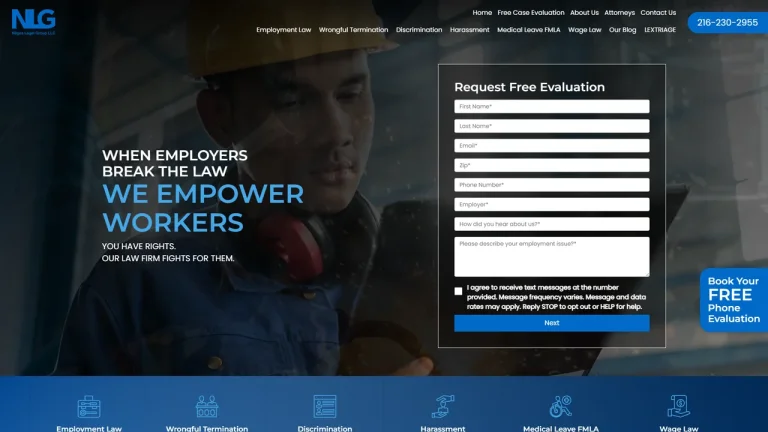
Nilges Draher LLC - Cleveland, OH

Law Offices of Todd M. Friedman, P.C. - Cleveland, OH

Littler Mendelson P.C. - Cleveland, OH

Thorman Petrov Group Co., LPA - Cleveland, OH
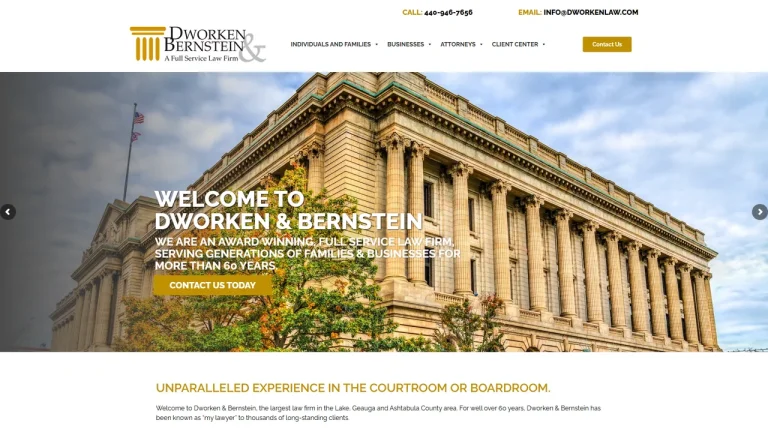
Patrick J. Perotti (Dworken and Bernstein Co., LPA) - Cleveland, OH
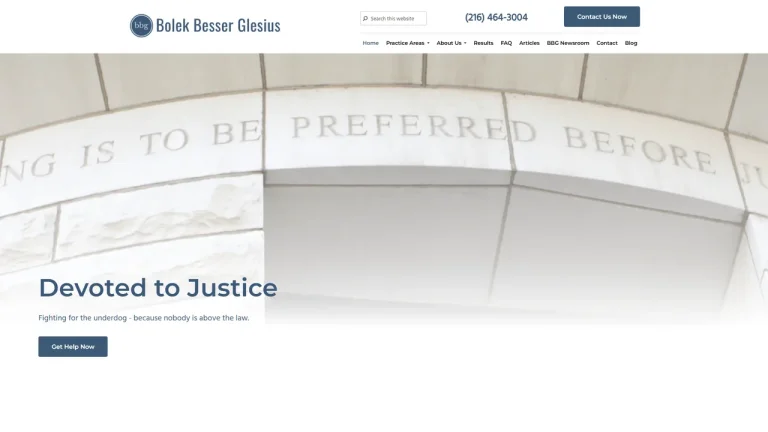
Bolek Besser Glesius LLC - Cleveland, OH
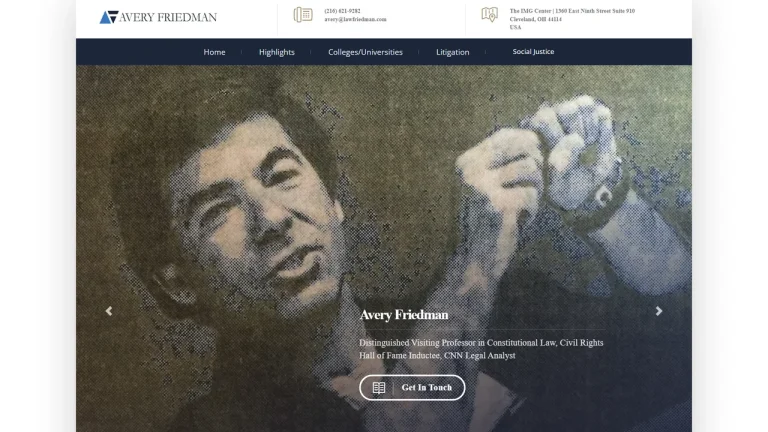
Avery Friedman and Associates - Cleveland, OH
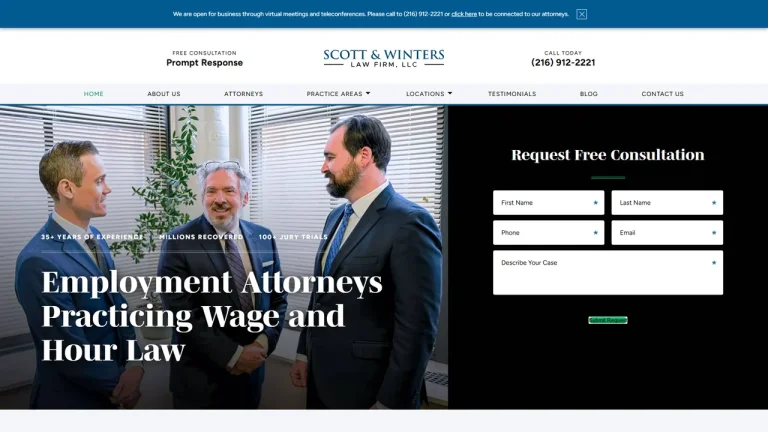
Scott & Winters Law Firm, LLC - Cleveland, OH
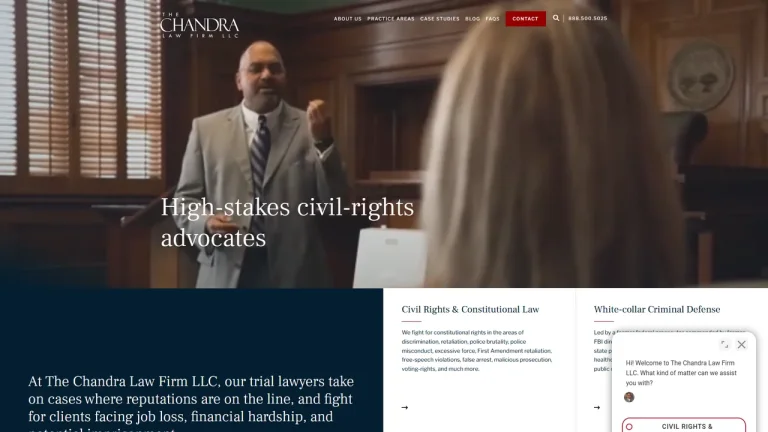
The Chandra Law Firm LLC - Cleveland, OH
Rebecca Kopp Levine (Porter Wright) - Cleveland, OH
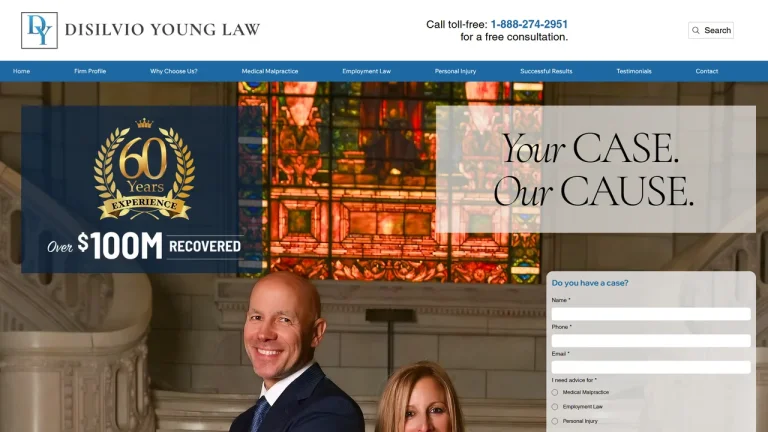
The Law Firm of David A. Young, LLC - Cleveland, OH

Watson Kuhlman, LLC - Cleveland, OH

Sherman Boseman Legal Group - Cleveland, OH

Hux Law Firm, LLC - Cleveland, OH

Alan I. Goodman Attorney at Law - Cleveland, OH

The Schenk Law Firm, LLC - Cleveland, OH
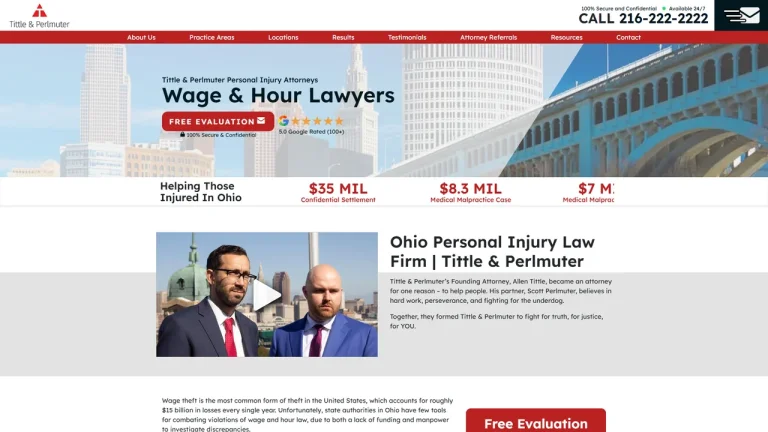
Scott Perlmuter - Tittle & Perlmuter - Cleveland, OH

Sobel, Wade & Mapley - Cleveland, OH
Granovsky and Sundaresh PLLC - Cleveland, OH
Coffman Employment Lawyers - Cleveland, OH

The Colaluca Law Firm LLC - Cleveland, OH
Wrongful Discharge Claims in Cleveland and Cuyahoga County Jurisdictions
Cleveland's economy features major healthcare networks, advanced manufacturing facilities, financial institutions, and public sector employers spanning Downtown Cleveland, the Health-Tech Corridor, Parma, Euclid, and Westlake. While Ohio is an at-will employment state, employers cannot terminate workers in violation of established state public policy, in breach of employment contracts, or in retaliation for protected activities.
Wrongful discharge lawsuits based on Ohio common law public policy, contractual breaches, or state statutory whistleblower protections are litigated in the Cuyahoga County Court of Common Pleas at the Justice Center on Ontario Street. Federal wrongful termination claims involving retaliation under Title VII, the Family and Medical Leave Act (FMLA), or the Americans with Disabilities Act are filed before the U.S. District Court for the Northern District of Ohio at the Carl B. Stokes United States Courthouse.
Administrative complaints alleging statutory retaliation often initiate through the Ohio Civil Rights Commission (OCRC) Cleveland Regional Office in the Frank J. Lausche State Office Building or the Equal Employment Opportunity Commission (EEOC) Cleveland Field Office. A Cleveland wrongful termination lawyer assesses your personnel files, identifies pretextual discharge motives, and pursues back pay, front pay, and compensatory damages.
Wrongful Termination Case Scenarios and Fee Estimates
| Case Scenario | Fee Structure | Estimated Cost (USD) | Key Cost Determinants |
|---|---|---|---|
| Severance Package Review & Separation Negotiation | Flat Fee or Hourly ($275 - $425/hr) | $750 - $2,500 | Severance value, non-disparagement covenants, non-compete release terms |
| Workers' Compensation Retaliatory Discharge (R.C. 4123.90) | Contingency Fee (33.3% - 40%) | $0 upfront ($15,000 - $75,000+ recovery) | 90-day statutory notice compliance, proximity between injury claim and firing |
| Whistleblower Retaliation Lawsuit (R.C. 4113.52) | Retainer + Hourly or Contingency | $5,000 - $30,000+ | Written reporting compliance, environmental/safety hazard severity, employer size |
| Public Policy Tort & Retaliatory Discharge Litigation | Contingency Fee (33.3% - 40%) | $0 upfront ($40,000 - $250,000+ recovery) | Cuyahoga County Common Pleas jury calendar, economic wage loss magnitude |
Critical Legal Deadlines & Statutes in Ohio Wrongful Termination
Wrongful termination claims in Ohio are subject to unforgiving statutory deadlines. Under R.C. 4123.90, an employee who is discharged for filing or pursuing a workers' compensation claim must provide formal written notice of the violation to the employer within 90 days of the discharge, and must commence a civil lawsuit within 180 days of the termination date. Missing either deadline permanently extinguishes the claim.
For whistleblower claims under R.C. 4113.52, an employee must strictly adhere to statutory internal written reporting procedures and must file a civil action within 180 days of the retaliatory discharge. Breach of a written employment contract is governed by a 6-year statute of limitations under R.C. 2305.06, whereas common law wrongful discharge torts in violation of public policy carry a 4-year limitation period under R.C. 2305.09.
If the termination involves unlawful discrimination or statutory retaliation under the Ohio Civil Rights Act, R.C. 4112.052 establishes a 2-year statute of limitations, which requires prior exhaustion of administrative remedies with the Ohio Civil Rights Commission under R.C. 4112.051.
Small Claims Court vs. Hiring a Cleveland Wrongful Termination Lawyer
The Cleveland Municipal Court Small Claims Division, governed by R.C. 1925.02 with a maximum claim limit of $6,000, is limited strictly to small, liquidated wage claims or unpaid expense reimbursements.
Small claims magistrates have zero authority to grant equitable remedies such as employee reinstatement, personnel record expungement, or injunctions. Furthermore, wrongful termination claims require sophisticated discovery: compelling corporate emails, deposing managing supervisors, and overcoming corporate defense motions for summary judgment in the Cuyahoga County Court of Common Pleas.
Retaining an experienced employment attorney admitted to the Cleveland Metropolitan Bar Association and the Ohio State Bar Association ensures your claims are handled with procedural precision. Employment lawyers typically operate on contingency for meritorious retaliatory firing claims, leveling the playing field against corporate defense firms.
Red Flags to Avoid When Hiring a Wrongful Termination Lawyer
- Promising large financial payouts or settlements before reviewing separation letters, performance reviews, and company handbooks.
- Missing mandatory short statutory notice deadlines, such as the 90-day written notice required under R.C. 4123.90.
- Employment attorneys who push clients to accept early lowball severance offers without analyzing potential statutory retaliation claims.
- Firms lacking actual trial experience before judges in the Cuyahoga County Court of Common Pleas or the Carl B. Stokes Federal Courthouse.
Frequently Asked Questions
What qualifies as wrongful termination in Ohio?
Because Ohio is an at-will state, termination is only wrongful if it violates a statutory prohibition, breaches an employment agreement, or contravenes clear public policy, such as firing an employee for whistleblowing or pursuing workers' compensation.
Can I sue my employer for firing me after a workplace injury?
Yes. Under R.C. 4123.90, employers cannot discharge or discipline an employee for filing a workers' compensation claim. You must give written notice within 90 days and file suit within 180 days of discharge.
What is the deadline for filing an Ohio whistleblower lawsuit?
Under R.C. 4113.52, an employee must submit a written report to their supervisor regarding statutory violations and file a civil lawsuit within 180 days of the retaliatory action.
What damages can I recover in a Cleveland wrongful discharge lawsuit?
Recoverable damages may include back pay, front pay, lost employee benefits, compensatory damages for emotional distress, and in cases of willful conduct, punitive damages and attorney fees.
Should I sign a severance agreement before speaking with a lawyer?
No. Signing a severance agreement generally includes a broad waiver releasing the employer from all legal claims. A lawyer can evaluate whether you have viable claims and negotiate improved financial terms.