
Public Transportation Accident Lawyers in Columbus
Injured in a Columbus public transit accident? Partnering with an experienced public transportation accident lawyer ensures your rights are protected against municipal transit authorities and private carriers. Skilled counsel manages strict political subdivision notice rules, investigates driver negligence, and pursues fair financial recovery. Explore our directory below to consult verified Columbus transit accident attorneys for a free case evaluation.
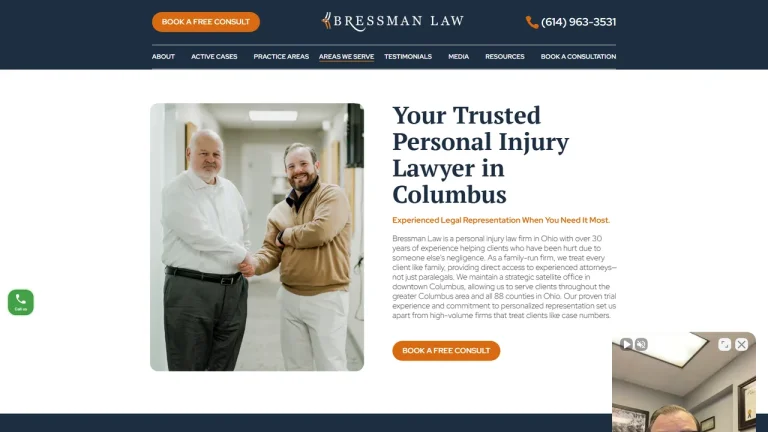
Bressman Law - Columbus, OH

Gallagher Sharp LLP - Columbus, OH
Transit Injury Litigation Across Columbus & Franklin County
Public transportation in Columbus is anchored by the Central Ohio Transit Authority (COTA), carrying thousands of passengers daily along key transit corridors including High Street, Broad Street, Cleveland Avenue, and across the Ohio State University campus. Transit accidents encompass bus collisions, abrupt deceleration falls, boarding and disembarking hazards, and pedestrian strikes throughout Franklin County.
Because COTA is a regional transit authority organized under Ohio law, injury claims are subject to unique procedural standards distinct from standard passenger car collisions. Lawsuits against regional transit entities are adjudicated in the Franklin County Court of Common Pleas on South High Street in Downtown Columbus, while claims involving state entities proceed through the Ohio Court of Claims.
Retaining an established Columbus public transit accident attorney ensures rapid preservation of onboard surveillance video, black box electronic telemetry, and driver logbooks before municipal retention periods expire. Experienced counsel navigates complex governmental immunity rules to hold negligent transit operators accountable.
Columbus Public Transit Accident Fee Structures & Matter Types
| Case Scenario | Fee Structure | Estimated Cost (USD) | Key Cost Determinants |
|---|---|---|---|
| COTA Bus Passenger Fall / Sudden Stop | Contingency (Pre-Litigation) | 33.3% of settlement ($0 upfront) | Driver acceleration logs, onboard video footage, severity of orthopedic trauma, and pre-existing medical history. |
| Transit Bus vs. Motor Vehicle Collision | Contingency (Litigation) | 33.3% - 40% of recovery ($0 upfront) | Comparative negligence apportionment, commercial fleet insurance limits, and expert collision reconstruction. |
| Pedestrian or Cyclist Struck by Bus | Contingency (Complex) | 33.3% - 40% of gross recovery | Crosswalk right-of-way compliance, transit driver blind-spot evaluations, and catastrophic life-care planning. |
| Private Charter / Intercity Bus Crash | Contingency (Litigation) | 33.3% - 40% of recovery | Federal motor carrier safety violations, multi-passenger liability claims, and corporate umbrella policy limits. |
Critical Legal Deadlines & Ohio Political Subdivision Statutes
Lawsuits against public transit entities in Ohio are subject to strict statutory limitation periods. Under Ohio Rev. Code § 2744.04(A), an action against a political subdivision such as COTA must be commenced within two years after the cause of action accrues, matching the general bodily injury deadline under Ohio Rev. Code § 2305.10(A).
While political subdivisions generally enjoy statutory immunity, an express exception exists for bodily injury or death caused by the negligent operation of any motor vehicle by an employee within the scope of employment pursuant to Ohio Rev. Code § 2744.02(B)(1). Non-economic damages in lawsuits against political subdivisions are capped at $250,000 under Ohio Rev. Code § 2744.05(C), unless the plaintiff suffered catastrophic, permanent physical deformity or loss of a bodily organ system.
Furthermore, under Ohio Rev. Code § 2744.05(B), any collateral source benefits received from health insurance or disability policies must be deducted from a final award against a political subdivision. In addition, Ohio modified comparative fault statute under Ohio Rev. Code § 2307.22 bars recovery if the injured claimant is found to be more than 50 percent responsible for the accident.
Small Claims Court vs. Dedicated Transit Accident Representation
The Small Claims Division of the Franklin County Municipal Court adjudicates disputes up to $6,000 under Ohio Rev. Code § 1925.02. Small claims court can handle minor property damage disagreements, such as a damaged bicycle or personal electronics, where bodily injury is not involved.
However, when a transit collision causes physical injuries, self-representation presents serious legal traps. Transit authorities employ claims investigators and legal defense teams that aggressively assert statutory immunity defenses and seek collateral source setoffs. Pro se claimants often fail to navigate statutory exceptions under Chapter 2744 or miss crucial video preservation windows. A skilled Columbus transit accident attorney secures onboard camera recordings, negotiates healthcare provider subrogation claims under Ohio Rev. Code § 5160.37, and maximizes net compensation.
Red Flags to Avoid When Hiring a Columbus Transit Accident Lawyer
- Attorneys who fail to immediately serve a formal spoliation letter to preserve COTA bus video recordings and telemetry data.
- Law firms unfamiliar with the Ohio Political Subdivision Tort Liability Act and its mandatory insurance setoff provisions.
- Direct solicitations from runners or marketers approaching accident victims in hospital waiting rooms or transit stations.
- Firms demanding upfront retainers or charging out-of-pocket administrative costs for contingency-based personal injury cases.
Frequently Asked Questions
Can I sue COTA for injuries sustained on a Columbus city bus?
Yes. Under Ohio law, political subdivisions can be held liable when an employee negligently operates a motor vehicle within the scope of their employment, causing physical injury to passengers, pedestrians, or other motorists.
What is the deadline to file an injury lawsuit against COTA in Ohio?
Under the Ohio Political Subdivision Tort Liability Act, a personal injury lawsuit against COTA must be formally filed in civil court within two years from the date the accident occurred.
How does the Ohio collateral source setoff rule affect a transit injury settlement?
Under Ohio statute, any compensation received from private health insurance, workers compensation, or disability benefits must be deducted from the total damages awarded against a political subdivision like COTA.
What immediate steps should I take after being injured on a Columbus bus?
Report the injury to the bus operator to generate an official incident report, seek emergency medical care, obtain names and contact details of fellow passengers, and consult an attorney before speaking with transit claims adjusters.
Are non-economic damages capped in lawsuits against public transit agencies in Ohio?
Yes. Non-economic damages such as pain and suffering against a political subdivision are generally capped at $250,000 under Ohio law, with statutory exceptions for catastrophic injuries such as permanent severe deformity or organ loss.