
Residential Real Estate Lawyers in Columbus
Connect with top residential real estate lawyers in Columbus, Ohio to handle property closings, title disputes, boundary issues, and purchase contract reviews. Experienced real estate attorneys safeguard property investments, resolve undisclosed defect disputes, and ensure smooth escrow closings across Franklin County. Explore our directory below to consult trusted Columbus residential property counsel today.

Jay E. Michael, Attorney at Law - Columbus, OH
Gallagher Kavinsky & Burkhart LPA - Columbus, OH
Wolfe Legal Services - Columbus, OH

Brendan King, Attorney at Law - Columbus, OH

Frederick L. Berkemer & Co., LPA - Columbus, OH

Kemp, Schaeffer and Rowe Co., L.P.A. - Columbus, OH

Callinan and Wisecup Law Firm - Columbus, OH

Heckert & Moreland Co. LPA - Columbus, OH

Goldman Braunstein Stahler Kenter LLP - Columbus, OH

Madison & Rosan: Kristin Rosan - Columbus, OH

Christian D. Donovan, Real Estate Attorney - Columbus, OH
James G. Vargo, Attorney at Law - Columbus, OH

Barnacle Law Firm LLC - Columbus, OH

Katz DiCuccio LLP - Columbus, OH

Kooperman Mentel Crossley Yaross, Ltd. - Columbus, OH

Havens Limited - Columbus, OH

Somos Law Firm - Columbus, OH

John W. Waddy Jr. Law Office - Columbus, OH

Jeckering & Associates, LLC - Columbus, OH
Sheila Nolan Gartland (Vorys, Sater, Seymour and Pease LLP) - Columbus, OH

Charles C. Postlewaite Law Office - Columbus, OH

Marshall Law Offices Co., LPA - Columbus, OH
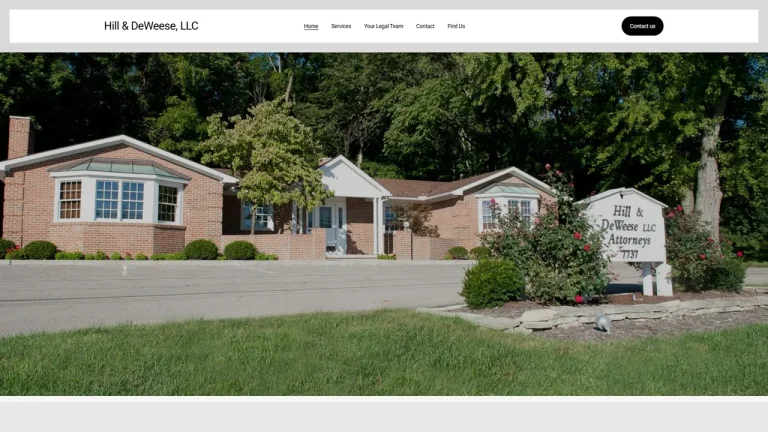
Hill & DeWeese, LLC - Columbus, OH

Residential Property Legal Counsel in Columbus and Franklin County
Navigating the Columbus residential real estate market requires rigorous diligence, whether acquiring historic homes in German Village and Victorian Village or purchasing new developments in Dublin and Clintonville. Real estate transactions involve substantial financial commitments where hidden liens or drafting errors can trigger costly disputes.
All formal real estate instruments, deeds, and transfer-on-death designations must be recorded with the Franklin County Recorder's Office on South High Street. When title defects, partition actions, or undisclosed structural defect claims arise, disputes are resolved in the Franklin County Court of Common Pleas.
A dedicated Columbus residential real estate attorney reviews purchase agreements, identifies title encumbrances, and negotiates out-of-court solutions for property line disagreements. Enlisting knowledgeable counsel protects your homeownership rights and guarantees clear legal title.
Residential Real Estate Legal Fees & Service Models
| Case Scenario | Fee Structure | Estimated Cost (USD) | Key Cost Determinants |
|---|---|---|---|
| Residential Purchase / Sale Contract Review | Flat Fee | $650 - $1,500 | Custom contingencies, seller financing terms, title commitment examination. |
| Quiet Title & Title Defect Clearance | Flat Fee / Retainer | $2,000 - $5,000 | Chain of title gaps, unreleased mortgages, heirship identification in Franklin County. |
| Undisclosed Defect Litigation (Fraudulent Disclosure) | Hourly / Hybrid | $275 - $475 / hr | Structural engineer inspections, latent defect evidence, Common Pleas trial duration. |
| Boundary Line Dispute & Adverse Possession | Hourly Rate | $250 - $450 / hr | Land survey verification, encroachment history, neighbor mediation vs litigation. |
Critical Legal Deadlines & Statutes in Ohio
Residential property transactions and ownership rights in Franklin County are defined by strict Ohio statutes:
- Residential Property Disclosure Mandates: Under Ohio Rev. Code § 5302.30, sellers of residential real property must complete and deliver a statutory disclosure form documenting known material defects prior to purchase contract execution.
- Statute of Frauds for Real Estate: Contracts for the transfer or sale of an interest in land must be evidenced by a written instrument signed by the party to be charged pursuant to Ohio Rev. Code § 1335.05.
- Adverse Possession Statutory Period: Actions to recover legal title or possession of real property held adversely by another must be commenced within twenty-one years under Ohio Rev. Code § 2305.04.
- Transfer on Death (TOD) Designation Affidavits: Property owners can transfer residential property directly to beneficiaries upon death without probate by executing an affidavit under Ohio Rev. Code § 5302.22, which must be recorded with the Franklin County Recorder prior to death.
- Partition Proceedings Among Co-Owners: Joint owners or tenants in common can compel the division or judicial sale of real property pursuant to Ohio Rev. Code § 5307.01.
Small Claims Limits vs. Professional Representation
The Small Claims Division of the Franklin County Municipal Court manages minor financial disputes up to $6,000 pursuant to Ohio Rev. Code § 1925.02. Buyers and sellers can use small claims to pursue earnest money forfeiture or post-closing repair disputes when damages fall strictly beneath the statutory limit.
However, small claims court has no legal power to reform deeds, quiet title, enforce specific performance of a purchase contract, or resolve partition disputes. Those substantial property actions must be litigated in the Franklin County Court of Common Pleas. Attempting to draft custom deeds or litigate property rights pro se creates title clouds that can jeopardize future refinancing or sale, making licensed legal representation indispensable.
Red Flags When Hiring a Columbus Residential Real Estate Lawyer
- Reliance on Generic Real Estate Templates: Avoid lawyers who use generic national forms that fail to comply with Ohio statutory deed formats and mandatory disclosure requirements.
- Overlooking Title Insurance Commitments: Beware of practitioners who conduct closings without independently examining title exceptions and recorded municipal utility easements.
- Inexperience in Property Disclosure Fraud: Steer clear of general practitioners unfamiliar with proving fraudulent nondisclosure and caveat emptor exceptions in Franklin County courts.
- Lack of Transparent Closing Fees: Reject firms that charge ambiguous administrative add-ons beyond agreed flat fees for residential deed preparation and title review.
Frequently Asked Questions
Does Ohio law require an attorney to represent buyers at a residential closing?
Ohio does not statutorily mandate an attorney for closing. However, having independent legal counsel review the purchase agreement and title commitment protects you against title defects and unfair contractual waivers.
What remedies exist if a seller conceals major property defects in Columbus?
While Ohio follows the doctrine of caveat emptor, sellers cannot commit active fraud. Under Ohio Rev. Code § 5302.30, buyers can sue for repair damages or contract rescission if a seller intentionally concealed known latent defects.
What is an Ohio Transfer on Death (TOD) Designation Affidavit?
Under Ohio Rev. Code § 5302.22, a TOD affidavit allows homeowners to name beneficiaries who automatically inherit the property upon the owner's death without going through Franklin County probate court.
How long does it take to establish adverse possession in Ohio?
Under Ohio Rev. Code § 2305.04, a claimant must demonstrate open, notorious, continuous, hostile, and adverse possession of the disputed land for at least twenty-one years to obtain legal title.
What should I do if a title search reveals an unreleased mortgage in Franklin County?
A real estate attorney can contact the prior lender for a formal release or file a quiet title action in the Franklin County Court of Common Pleas to extinguish the clouded mortgage from public title records.