
Wage & Hour Lawyers in Columbus
Recovering unpaid wages and overtime compensation in Columbus requires decisive legal action under Ohio labor statutes and the Fair Labor Standards Act. An experienced wage and hour attorney can recover back pay, liquidated damages, and mandatory legal fees directly from non-compliant employers. Review our directory below to connect with top wage lawyers serving Franklin County.

Franck G. Wobst (Porter Wright) - Columbus, OH

Marshall Forman & Schlein LLC - Columbus, OH

FLC | Legal Counsel - Columbus, OH
Kegler Brown Hill + Ritter - Columbus, OH

Brian D. Hall - Columbus, OH

Charles C. Warner - Columbus, OH

Babin Law, LLC. - Columbus, OH
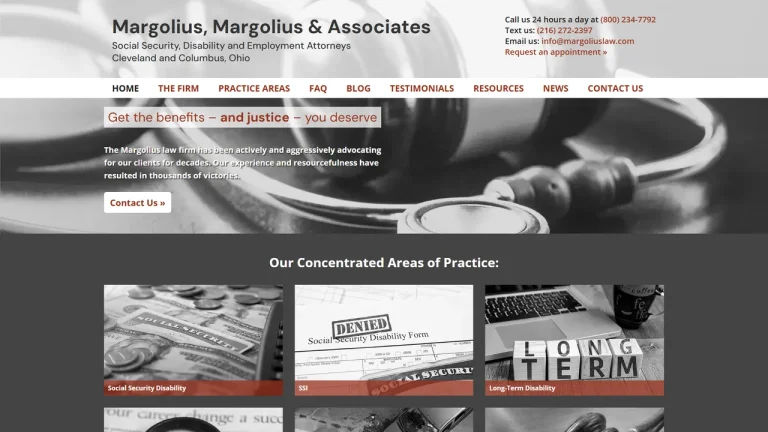
Margolius, Margolius & Associates - Columbus, OH
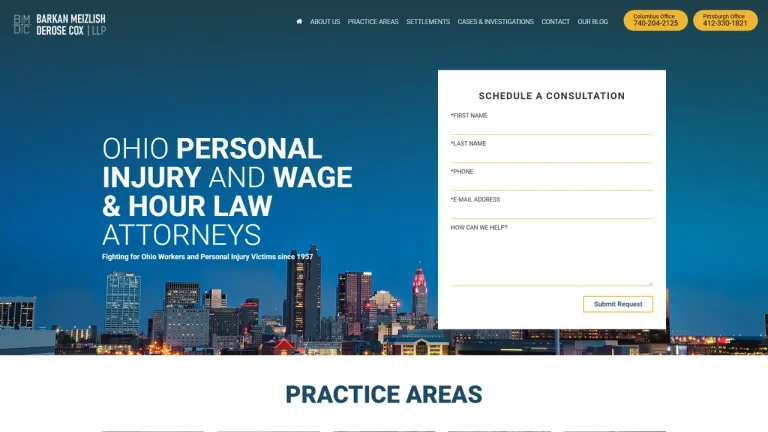
Barkan Meizlish DeRose Cox, LLP - Columbus, OH

Scott Scriven LLP - Columbus, OH
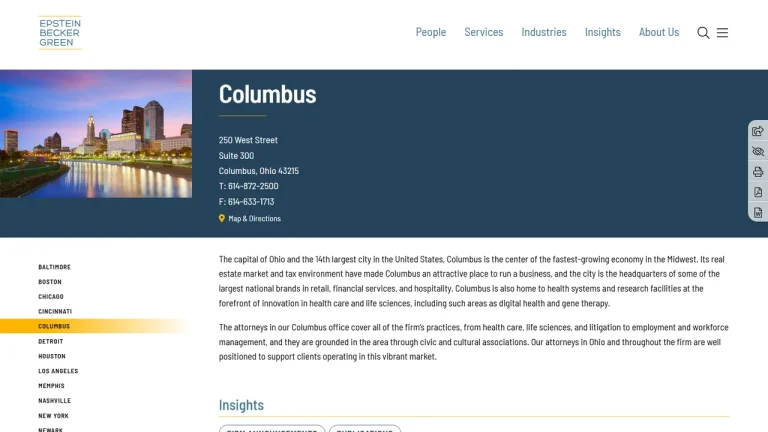
Epstein Becker Green - Columbus, OH
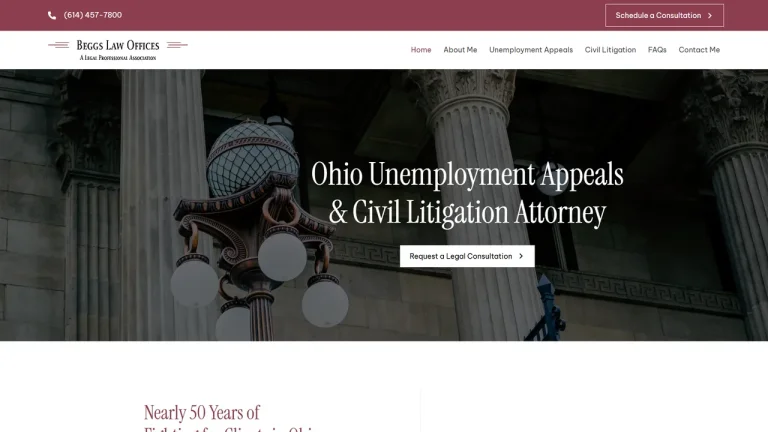
Beggs Law Offices Co., LPA - Columbus, OH

Oliver Law Office - Columbus, OH
Andrew J. Ruzicho - Columbus, OH

Fisher & Phillips LLP - Columbus, OH
Zashin and Rich Co LPA - Columbus, OH
Morgan & Morgan - Columbus, OH
Plevin & Gallucci - Columbus, OH
Mansell Law - Columbus, OH
Nilges Draher LLC - Columbus, OH

Wick Law Offices LLC - Columbus, OH
Fred G. Pressley - Columbus, OH

Babin Law - Columbus, OH

Wage and Hour Enforcement Across Columbus Workplaces
Columbus serves as a major commercial and logistics engine, with massive distribution centers, healthcare systems, retail developments, and tech enterprises employing hundreds of thousands of workers across Franklin County. Unfortunately, wage theft remains prevalent, manifesting through unpaid overtime, misclassifying employees as independent contractors, off-the-clock shift prep, and unlawful tip pooling across restaurants in the Short North and Downtown Columbus.
Wage claims originating in Columbus are litigated either in the Franklin County Court of Common Pleas on South High Street or in the United States District Court for the Southern District of Ohio at the Joseph P. Kinneary U.S. Courthouse on Marconi Boulevard. Ohio workers are safeguarded by both federal wage laws and explicit provisions in the Ohio Constitution. Retaining an established Columbus wage and hour attorney ensures company payroll records, digital badge swipes, and electronic dispatch logs are audited to substantiate your earned compensation.
Common Wage Violation Scenarios & Legal Fee Structures
| Case Scenario | Fee Structure | Estimated Cost (USD) | Key Cost Determinants |
|---|---|---|---|
| Unpaid Overtime / Off-the-Clock Work | Contingency / Statutory Fee-Shifting | $0 Upfront ($2,000 - $8,000 expenses) | Electronic timecard audits, manager communications, proof of willful violation |
| Independent Contractor Misclassification (1099 vs W-2) | Contingency / Statutory Fee-Shifting | $0 Upfront ($3,500 - $12,000 expenses) | Employer behavioral control, economic reality analysis, unreimbursed expenses |
| Hospitality Tip Credit & Tip Pool Violations | Contingency (33.3% - 40%) | $0 Upfront ($2,500 - $9,500 expenses) | POS system logs, manager retention of tips, tip-credit notice documentation |
| Collective Action / Multi-Employee Wage Lawsuit | Contingency Fee / Court-Approved Fees | $0 Upfront ($15,000 - $50,000+ expenses) | Class size, corporate payroll software audits, Southern District of Ohio litigation |
Critical Legal Deadlines & Statutes in Ohio
Workers pursuing unpaid earnings in Columbus must navigate overlapping state and federal limitation periods. Under the federal Fair Labor Standards Act, 29 U.S. Code § 255 establishes a two-year statute of limitations for standard wage violations, extending to three years if the employer violation was willful. Under 29 U.S. Code § 207, non-exempt employees must receive one and one-half times their regular rate of pay for all hours worked exceeding 40 in a workweek, with prevailing employees entitled to liquidated damages and mandatory attorney fees under 29 U.S. Code § 216.
At the state level, Ohio minimum wage rights are enshrined in the Ohio Constitution under Ohio Const. art. II, § 34a, which mandates an annually adjusted minimum wage and grants employees the right to recover damages equal to back wages plus liquidated damages of two times back pay. Ohio statutory overtime requirements are codified at Ohio Rev. Code § 4111.03, with civil enforcement actions authorized under Ohio Rev. Code § 4111.10. However, workers must be mindful of Ohio Rev. Code § 2305.11, which enforces a strict two-year statute of limitations for state wage claims.
Small Claims Court Limits vs. Collective Wage Representation
The Small Claims Division of the Franklin County Municipal Court is restricted to disputes up to $6,000 under Ohio Rev. Code § 1925.02. While an employee could theoretically file an unrepresented claim for a small final paycheck in municipal small claims court, doing so is almost always disadvantageous. Small claims court lacks mechanisms for comprehensive corporate document discovery, interrogatories, or formal payroll software audits necessary to uncover systemic unpaid overtime.
Furthermore, wage statutes provide workers with a powerful statutory advantage: under both 29 U.S. Code § 216 and Ohio Rev. Code § 4111.10, an employer who violates wage laws is statutorily required to pay the employee reasonable attorney fees and court costs upon prevailing. Attempting to resolve wage claims pro se frequently causes workers to accept small compromise payments while waiving mandatory statutory liquidated damages. An experienced Columbus wage attorney fronts litigation costs, proves willful employer misconduct, and can certify collective actions to recover damages for entire shifts of affected workers.
Red Flags When Selecting a Columbus Wage & Hour Lawyer
- Charging Upfront Legal Fees for Wage Theft: Reputable employee wage attorneys handle FLSA and Ohio wage claims on a contingency basis, utilizing statutory fee-shifting provisions that require the employer to pay legal bills upon victory.
- Failing to Audit Electronic Time Systems: Avoid lawyers who merely rely on printed paystubs; your legal counsel must demand digital timecard metadata, badge-swipe timestamps, and computer login records.
- Overlooking Ohio Constitutional Double Damages: If an attorney focuses solely on federal claims and fails to assert claims under Ohio Const. art. II, § 34a, you may forfeit substantial state-level statutory penalties.
- Pressuring Quick Individual Settlements in Systemic Cases: Beware of firms that rush to settle your individual claim for pennies without investigating whether a collective action would create greater settlement leverage.
Frequently Asked Questions
Who qualifies for overtime pay under Ohio law?
Under Ohio Rev. Code § 4111.03 and the FLSA, most hourly workers and non-exempt salaried employees earning under statutory salary thresholds are entitled to 1.5 times their regular pay rate for all hours worked over 40 in a single workweek.
Can my employer retaliate against me for claiming unpaid wages in Columbus?
No. Under 29 U.S. Code § 215(a)(3) and Ohio law, it is strictly unlawful for an employer to discipline, demote, or terminate an employee for asserting wage rights, inquiring about overtime, or filing a formal complaint.
What are liquidated damages in an Ohio wage theft claim?
Under federal law, liquidated damages equal an additional 100 percent of your unpaid wages. Under Article II, Section 34a of the Ohio Constitution, employees can recover back pay plus liquidated damages equal to two times the unpaid amount for minimum wage violations.
Can managers or supervisors participate in a restaurant tip pool in Columbus?
No. Under the Fair Labor Standards Act, managers, supervisors, and shift leads with managerial duties are strictly prohibited from keeping any portion of an employee tips or participating in a shared employee tip pool.
Where are wage and hour lawsuits heard in Columbus?
Wage and hour lawsuits in Columbus are primarily litigated in the United States District Court for the Southern District of Ohio on Marconi Boulevard, or in the Franklin County Court of Common Pleas on South High Street.