
Copyright Lawyers in Ohio
Finding an experienced Ohio copyright lawyer ensures your creative works, software, and digital media are protected under federal copyright laws and deadlines. Qualified copyright attorneys manage Copyright Office registrations, negotiate licensing agreements, and resolve complex infringement claims out of court. Explore our directory below to schedule an initial consultation with trusted intellectual property attorneys across Ohio.

Rooney IP - Cincinnati, OH

Sand, Sebolt & Wernow - Canton, OH

The Reel Law Firm - Columbus, OH
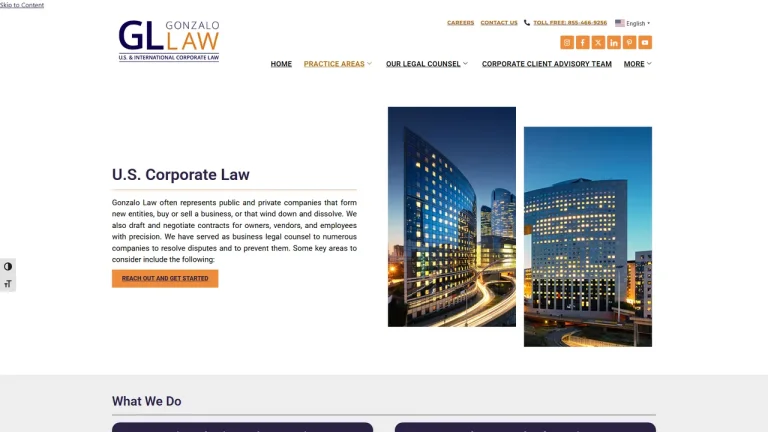
Gonzalo Law - Cleveland, OH

Tarolli, Sundheim, Covell & Tummino LLP - Cleveland, OH

Renner Otto - Cleveland, OH

Calfee, Halter & Griswold LLP - Cleveland, OH

John R. Gall - Squire Patton Boggs - Columbus, OH

Martin J. Miller, Attorney at Law - Cincinnati, OH
Stevens & Showalter LLP - Dayton, OH
Richard M. Mescher - Columbus, OH
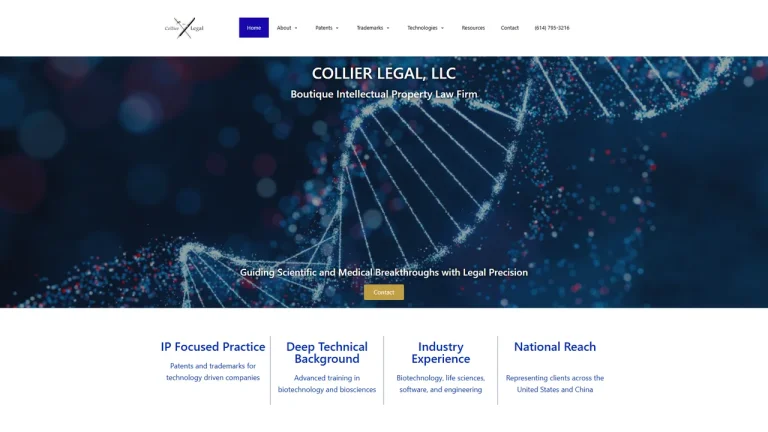
Collier Legal, LLC - Columbus, OH
Nesbitt IP LLC - Cincinnati, OH
Gugliotta & Gugliotta LPA - Akron, OH
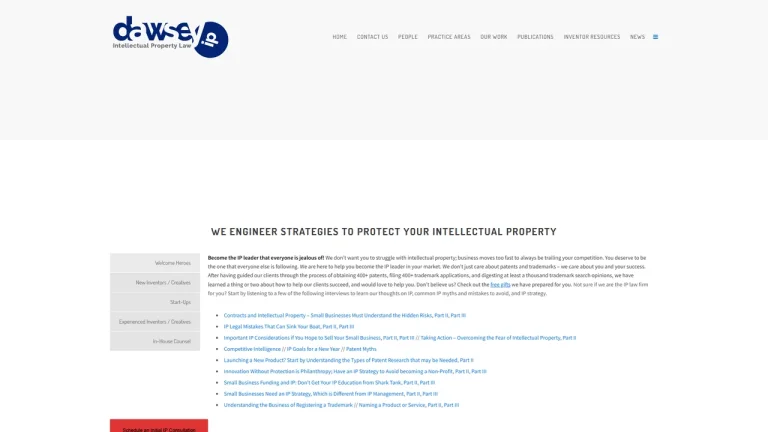
Dawsey IP - Columbus, OH
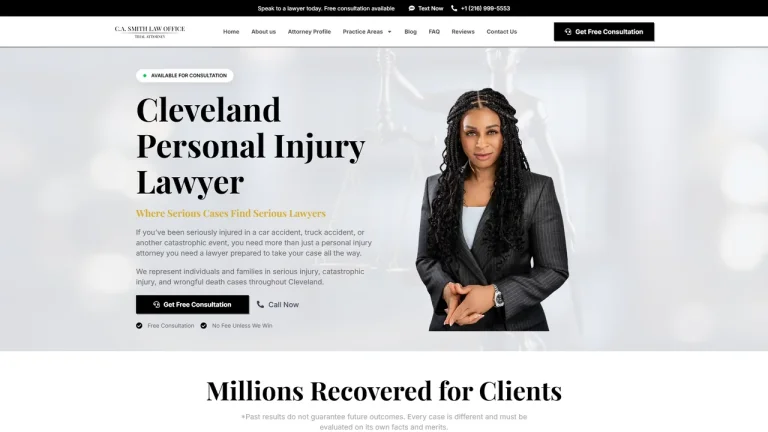
C. A. Smith Law Office - Cleveland, OH
Vorys, Sater, Seymour and Pease LLP - Columbus, OH
Jenei LLC - Cincinnati, OH
Frederick & Berler, LLC - Cleveland, OH
Eley Law Firm Co - Columbus, OH
Roger Bora - Trademark Attorney, Copyright Attorney - Cincinnati, OH

Howard M. Cohn and Associates - Columbus, OH

Strong IP: Patents & Trademarks - Akron, OH

Protecting Creative Works and Digital Media Across Ohio
Ohio's commercial, technological, and creative sectors-centered around software companies in Columbus, advertising and design studios in Cleveland and Cincinnati, and multimedia enterprises in Dayton, Akron, and Toledo-produce substantial original content. Authors, software developers, recording artists, visual artists, and corporate enterprises depend on copyright law to prevent unauthorized reproduction, distribution, and display of their original materials.
Copyright law is governed by federal statute under Title 17 of the United States Code. While copyright attaches the moment an original work of authorship is fixed in a tangible medium, formal registration with the United States Copyright Office remains a mandatory prerequisite for initiating an infringement lawsuit. An Ohio copyright attorney provides strategic guidance on timely registrations, rights assignments, and complex licensing structures.
When copyright infringement occurs, federal district courts possess exclusive jurisdiction over civil litigation. Ohio copyright attorneys represent rights holders and accused infringers in the U.S. District Court for the Northern District of Ohio and the U.S. District Court for the Southern District of Ohio, with appellate matters heard by the U.S. Court of Appeals for the Sixth Circuit. Counsel also represents parties before the Copyright Claims Board (CCB), an alternative administrative forum resolving smaller disputes.
Typical Costs and Fee Structures for Ohio Copyright Lawyers
| Case Scenario | Fee Structure | Estimated Cost (USD) | Key Cost Determinants |
|---|---|---|---|
| U.S. Copyright Office Registration Filing | Flat Fee | $350 - $900 | Type of work (single author vs. group registration of unpublished works), work-for-hire review, and deposit materials. |
| Copyright Licensing & Royalty Agreement | Flat Fee or Hourly | $750 - $2,500 | Territory restrictions, duration of commercial use, exclusivity, and indemnity and warranty clauses. |
| Copyright Claims Board (CCB) Proceeding | Flat Fee or Hybrid | $2,000 - $6,000 | Claim drafting, documentary evidence exchange, written discovery, and opt-out assessment. |
| Federal Infringement Litigation & Defense | Retainer + Hourly (or Contingency) | $20,000 - $75,000+ or 33% - 40% | Statutory damages availability, preliminary injunction motions, digital forensics, and trial duration. |
Critical Legal Deadlines & Statutes in Ohio
Enforcing copyright protection requires compliance with strict federal statutory timelines. Under 17 U.S. Code § 102, copyright protects original works of authorship fixed in any tangible medium of expression. However, under 17 U.S. Code § 411, a claimant cannot initiate a civil infringement action in federal court until the Copyright Office has registered or refused the claim.
Timing dictates the availability of powerful statutory remedies. Under 17 U.S. Code § 412, statutory damages under 17 U.S. Code § 504 and attorney fee awards are unavailable unless registration occurs prior to infringement, or within three months following the work's initial publication. Missing this three-month window limits copyright owners strictly to actual damages and the infringer's profits, which can be difficult and costly to substantiate in court.
Civil infringement actions must comply with the statute of limitations set forth in 17 U.S. Code § 507, which requires claims to be commenced within three years after the claim accrued under the discovery rule. In addition, creators filing claims with the Copyright Claims Board under 17 U.S. Code § 1504 must observe a three-year limitation period, with total statutory damages capped at $30,000 per proceeding.
Small Claims Court Limitations vs. Professional Copyright Counsel
In Ohio, small claims courts established under Ohio Rev. Code § 1925.02 are restricted to minor monetary claims up to $6,000. However, Ohio small claims divisions and common pleas courts have no subject-matter jurisdiction to adjudicate copyright infringement lawsuits. Under 28 U.S. Code § 1338, exclusive jurisdiction over copyright claims is vested in federal courts.
Although the federal Copyright Claims Board provides an expedited administrative alternative for claims under $30,000, participating parties must navigate strict evidentiary procedures and formal opt-out provisions. Retaining professional legal counsel is crucial when issuing DMCA takedown notices, evaluating complex fair use defenses, negotiating commercial publishing rights, or litigating statutory damages up to $150,000 for willful infringement under 17 U.S. Code § 504. An Ohio copyright attorney protects your creative assets and structures agreements that secure licensing value.
Red Flags to Avoid When Choosing an Ohio Copyright Lawyer
- Firms demanding excessive upfront retainers to pursue questionable infringement claims where timely copyright registration was never secured.
- Online document services claiming that mailing a copy of a creative work to yourself establishes legal copyright protection under federal law.
- Attorneys who lack practical trial experience in the U.S. District Courts of Ohio or familiarity with Copyright Claims Board procedural rules.
- Retainer contracts that fail to define whether appellate representation, digital forensic analysis, and expert testimony are covered by the initial deposit.
Frequently Asked Questions
Can I file a copyright infringement lawsuit in an Ohio municipal or common pleas court?
No. Under 28 U.S. Code § 1338, federal courts maintain exclusive jurisdiction over civil actions arising under federal copyright law. Copyright infringement claims in Ohio must be filed in the U.S. District Court for the Northern District of Ohio or the Southern District of Ohio.
Why is it important to register a copyright within three months of publication?
Under 17 U.S. Code § 412, registering a published work within three months of its first publication preserves eligibility for statutory damages and attorney fee awards. If registration occurs after that window, owners are limited to proving actual financial damages.
What is the Copyright Claims Board (CCB)?
The CCB is an alternative, streamlined tribunal located within the U.S. Copyright Office authorized by 17 U.S. Code § 1504 to resolve copyright disputes with damages capped at $30,000. It offers a cost-effective alternative to formal federal litigation, though respondents may opt out.
What is the statute of limitations for filing a copyright infringement lawsuit?
Under 17 U.S. Code § 507, civil copyright infringement lawsuits must be filed within three years after the claim accrued, typically calculated from when the copyright owner discovered or reasonably should have discovered the infringement.
How does the fair use defense work in copyright infringement cases?
Fair use is a statutory affirmative defense under 17 U.S. Code § 107 that evaluates the purpose of the use (such as criticism, news reporting, or scholarship), the nature of the copyrighted work, the amount used, and the effect upon the potential market value of the original work.