
DUI/DWI Defense Lawyers in Ohio
Retaining a skilled Ohio DUI and OVI defense lawyer immediately after arrest protects your driving privileges and rights. Dedicated defense counsel challenges breath tests and Administrative License Suspensions. Explore our verified statewide directory below to consult an attorney.

Oscar E. Rodriguez Attorney - Cleveland, OH

Puterbaugh Law - Canton, OH

Edward T. Kathman, Attorney at Law - Cincinnati, OH

Noel Law LLC - Columbus, OH

Law Office of A. Robert Hutchins - Columbus, OH

Hoffman Law - Columbus, OH

James K. Ferris, Attorney at Law - Cincinnati, OH
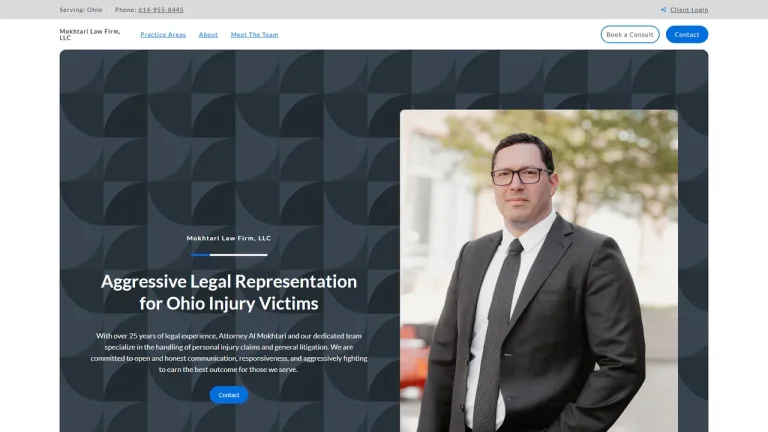
Mokhtari Law Firm - Columbus, OH
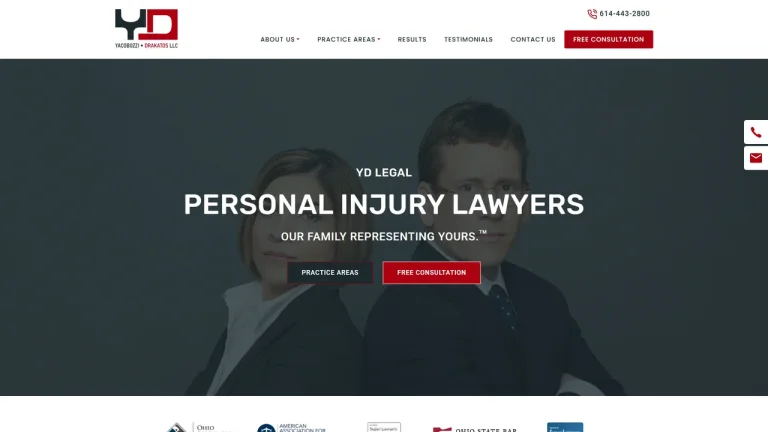
YD Legal Group - Columbus, OH

Barr, Jones and Associates LLP - Cincinnati, OH

Schraeder Law LLC - Columbus, OH
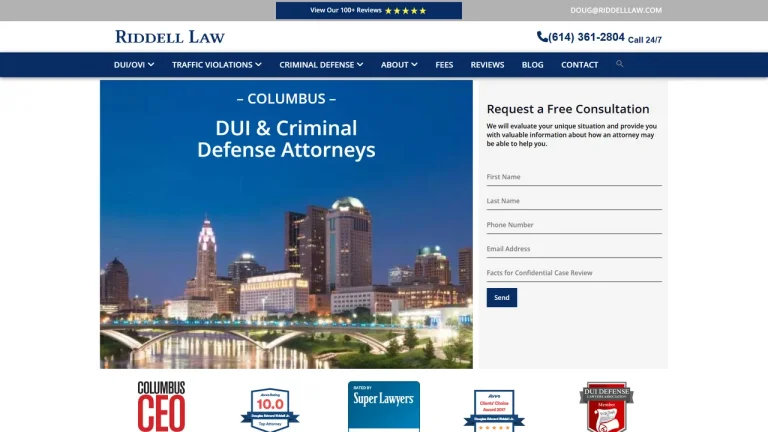
Riddell Law LLC - Columbus, OH
Craig W. McKinney, Attorney at Law - Canton, OH
Bieser Greer - Dayton, OH

Brian A. Smith Law Firm, LLC - Akron, OH
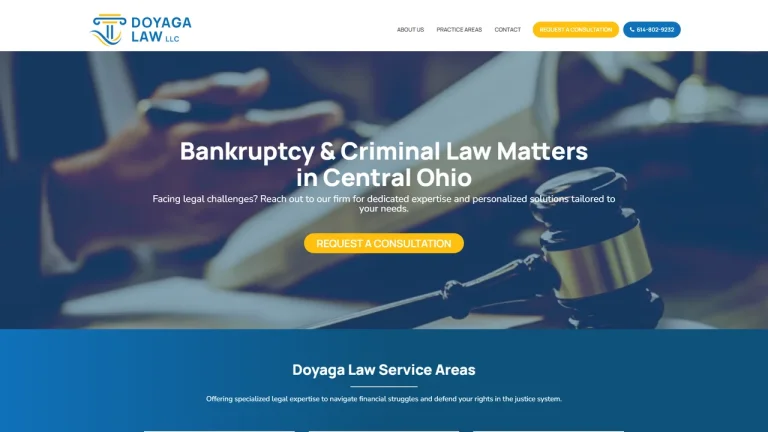
Doyaga Law, LLC - Columbus, OH

Patrick S. Lavelle Attorney at Law - Cleveland, OH
Moyer Law Offices LPA - Columbus, OH
Allison F. Hibbard Attorney At Law - Cleveland, OH
Spiroff Law Office - Columbus, OH

Roth Defense Firm, LLC - Cincinnati, OH
NEMANN LAW OFFICES, LLC - Columbus, OH
Akamine Law - Defense Lawyer - Columbus, OH
Ohio OVI Defense and Court Jurisdictions
In Ohio, driving under the influence is codified as Operating a Vehicle Impaired (OVI) under state law. These charges are prosecuted vigorously across municipal and county courts. Key trial venues include the Franklin County Municipal Court in Columbus, the Cleveland Municipal Court in Cuyahoga County, and the Hamilton County Municipal Court in Cincinnati.
In numerous Ohio suburban jurisdictions, initial misdemeanor charges may be filed in local Mayor's Courts. An experienced defense lawyer can strategically evaluate your case and exercise your statutory right to transfer the matter to a municipal or county court of record for a jury trial under Ohio criminal procedures.
From major highway corridors across Greater Columbus, Cleveland, and Cincinnati to regional jurisdictions in Dayton, Akron, and Toledo, an OVI arrest triggers both administrative driver's license sanctions through the Ohio Bureau of Motor Vehicles (BMV) and criminal court penalties. Securing qualified local counsel immediately is essential to contest testing protocols and preserve your mobility.
Ohio DUI/OVI Legal Fees and Defense Representation Costs
Defense costs for Ohio OVI citations depend on offense severity, prior conviction history, and whether the strategy focuses on plea negotiation or trial litigation.
| Case Scenario | Fee Structure | Estimated Cost (USD) | Key Cost Determinants |
|---|---|---|---|
| First-Offense Low-Tier OVI (Plea Negotiation / ALS Appeal) | Flat Fee | $1,500 - $4,000 | BAC level, BMV administrative license suspension appeal, 72-hour driver intervention program substitution, and pre-trial conferences. |
| High-Tier OVI or Chemical Test Refusal with Prior | Flat Fee or Staged Retainer | $3,000 - $6,500 | BAC exceeding 0.17%, mandatory minimum jail time exposure, yellow restricted license plates, and ignition interlock petitions. |
| Felony OVI Defense (Repeat Offense in 10 or 20 Years) | Hourly Retainer ($350 - $600/hr) | $7,500 - $20,000+ | Court of Common Pleas felony indictment, mandatory prison terms, vehicle forfeiture proceedings, and habitual offender specifications. |
| Suppression Motion Hearings & Jury Trial Defense | Hourly Retainer or Trial Fee | $5,000 - $15,000+ | Cross-examination on standardized field sobriety tests, challenging Intoxilyzer calibration logs, independent toxicologists, and jury selection. |
Critical Legal Deadlines & Statutes in Ohio
Operating a vehicle with a blood alcohol concentration of 0.08% or higher is prohibited under Ohio Rev. Code § 4511.19, with enhanced penalties applying to high-tier thresholds of 0.17% or higher. Following an arrest, an immediate Administrative License Suspension (ALS) is imposed by the arresting officer on behalf of the BMV.
Pursuant to Ohio Rev. Code § 4511.197, an individual must file an appeal against an Administrative License Suspension strictly within thirty calendar days of their initial court appearance. Missing this procedural deadline forfeits your immediate statutory right to challenge the suspension.
Furthermore, Ohio enforces a strict statutory lookback window under Ohio Rev. Code § 4511.19, where prior OVI convictions within the preceding ten years escalate mandatory minimum penalties, while a fourth conviction within ten years escalates the offense to a felony. Criminal trials are also subject to speedy trial deadlines under Ohio Rev. Code § 2945.71.
Small Claims Limitations vs. Professional OVI Defense
Ohio small claims courts established under Ohio Rev. Code § 1925.02 operate with a $6,000 monetary ceiling and have no legal jurisdiction over criminal charges, traffic penalties, license revocations, or mandatory jail sentences.
Attempting to represent oneself in an Ohio OVI proceeding exposes individuals to devastating statutory consequences. First-time offenders face mandatory minimum penalties under state law, including a minimum of three consecutive days of incarceration (or an approved 72-hour driver intervention program), mandatory fines up to $1,075, and a minimum one-year driver's license suspension.
Professional defense counsel examines police dashcam recordings, audits breath machine maintenance logs, and challenges whether law enforcement complied with field testing regulations. Experienced attorneys regularly negotiate charges down to physical control under Ohio Rev. Code § 4511.194, which avoids mandatory jail time, points, and permanent OVI conviction records.
Red Flags When Hiring an Ohio OVI Defense Attorney
Protect your legal standing by avoiding defense representation exhibiting these warning signs:
- Promises of Guaranteed Dismissals: No attorney can ethically guarantee a dismissal under the Ohio Rules of Professional Conduct, as every OVI disposition depends upon judicial findings and evidentiary proof.
- Quick Plea Mills: Steer clear of attorneys who recommend pleading guilty at arraignment without conducting discovery, subpoenaing cruiser video, or reviewing breathalyzer certification logs.
- Lack of Mayor's Court and Municipal Court Acumen: Failure to evaluate whether transferring a citation out of a local Mayor's Court to a municipal court of record benefits your case strategy.
- Unclear Surcharges for Trial: Verify upfront whether your fee agreement covers administrative license suspension hearings, pretrial suppression motions, and full jury trials.
Frequently Asked Questions
What is the legal blood alcohol limit for drivers in Ohio?
Under Ohio Rev. Code § 4511.19, the per se legal limit for standard drivers is 0.08% BAC. Commercial vehicle operators are held to a 0.04% threshold, while underage drivers face penalties at 0.02% or above. Breath concentrations exceeding 0.17% trigger high-tier mandatory penalties.
What are the consequences of refusing a chemical test in Ohio?
Under Ohio's implied consent statute, codified in Ohio Rev. Code § 4511.191, refusing a chemical test triggers an immediate Administrative License Suspension by the BMV for one year on a first refusal, with increased suspension periods and mandatory jail time if you have prior convictions.
What are yellow restricted license plates in Ohio?
Pursuant to Ohio Rev. Code § 4510.13, yellow license plates with red letters (commonly known as party plates) are mandatory for certain repeat OVI offenders or high-tier first offenders who obtain court-granted limited driving privileges.
Can an OVI conviction be sealed or expunged in Ohio?
No. Under Ohio criminal sealing statutes, an OVI conviction under Ohio Rev. Code § 4511.19 is non-expungeable and remains permanently on your record. This permanent status makes contesting the initial charge through competent legal counsel essential.
What is an Ohio Physical Control charge?
Codified under Ohio Rev. Code § 4511.194, physical control involves being in the driver's seat with ignition keys while intoxicated without actually operating the vehicle. It is a non-moving violation that carries no mandatory license suspension, no points, and no mandatory jail time, making it a common negotiated alternative.