
Trademark Lawyers in Ohio
Finding an experienced Ohio trademark lawyer ensures your commercial brand and logos are comprehensively protected under state and federal trademark statutes. Qualified trademark counsel conducts clearance searches, manages USPTO filings, and resolves complex infringement disputes through cease-and-desist negotiations. Explore our directory below to schedule an initial consultation with trusted intellectual property attorneys across Ohio.
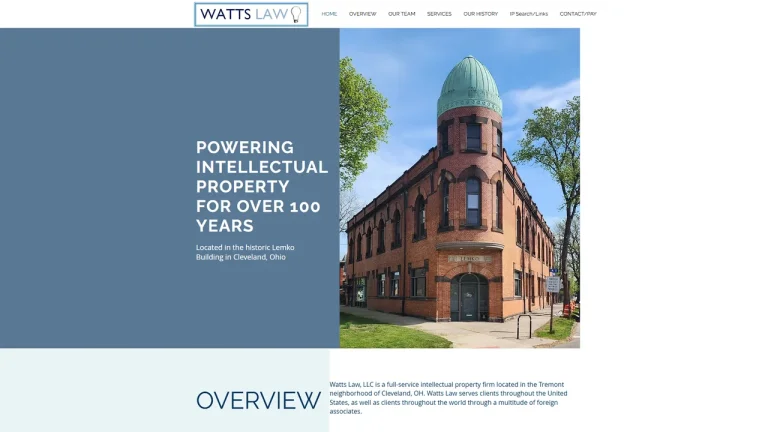
Watts Law, LLC - Cleveland, OH

Walter Haverfield - Columbus, OH

Howard M. Cohn and Associates - Columbus, OH

Emerson Thomson Bennett - Akron, OH

Martin J. Miller, Attorney at Law - Cincinnati, OH
Eley Law Firm Co - Columbus, OH
Gonzalo Law - Cleveland, OH
McDonald Hopkins Law Firm - Cleveland, OH

FBT Gibbons - Cincinnati, OH

Schaefer Jeffrey R - Cincinnati, OH
Holly D. Kozlowski, Attorney at Law - Cincinnati, OH

Cericola Legal Solutions LLC - Columbus, OH

J. Arthur Sheil & Associates, LLC - Cincinnati, OH
McCormick Barstow LLP - Cincinnati, OH

UB Greensfelder LLP - Cincinnati, OH
Collier Legal, LLC - Columbus, OH

Lippes Mathias LLP - Cleveland, OH

Frost Brown Todd - Columbus, OH
Bryce D. Miracle - Columbus, OH

Calfee, Halter & Griswold LLP - Cincinnati, OH
Marrero Michael A - Cincinnati, OH
Faruki PLL - Cincinnati, OH
Jones Day - Columbus, OH

Safeguarding Commercial Brands Across Ohio's Business Sectors
Ohio's economic infrastructure-ranging from consumer product enterprises and technology firms in Columbus to manufacturing operations in Cleveland, Akron, and Cincinnati, as well as logistics hubs in Dayton and Toledo-relies on distinctive branding. Establishing and maintaining trademark rights shields commercial goodwill and prevents marketplace confusion. Retaining an attorney admitted by the Supreme Court of Ohio provides businesses with strategic brand protection and enforcement counsel.
Trademark protection operates through multiple layers of law. Businesses can secure state-level registrations with the Ohio Secretary of State or obtain nationwide trademark protection through the United States Patent and Trademark Office (USPTO) under the federal Lanham Act. An Ohio trademark attorney evaluates commercial goals to determine whether state filings, federal applications, or common law usage rights best protect your commercial identifiers.
When brand infringement occurs, legal action may be pursued in Ohio county courts of common pleas or in federal district court. Ohio trademark attorneys regularly represent plaintiffs and defendants before the U.S. District Court for the Northern District of Ohio, the U.S. District Court for the Southern District of Ohio, and the Trademark Trial and Appeal Board (TTAB). An experienced attorney crafts tailored cease-and-desist demands, negotiates coexistence agreements, and pursues preliminary injunctions against infringing entities.
Typical Costs and Fee Structures for Ohio Trademark Lawyers
| Case Scenario | Fee Structure | Estimated Cost (USD) | Key Cost Determinants |
|---|---|---|---|
| Comprehensive Trademark Clearance Search | Flat Fee | $600 - $1,500 | Number of international classes, common law database breadth, state registry checks, and domain analysis. |
| Federal Trademark Application (USPTO) | Flat Fee | $900 - $2,200 | Filing basis (intent-to-use vs. actual use in commerce), class count, and specimen drafting complexity. |
| Substantive Office Action Defense | Hourly or Flat Fee | $1,200 - $5,000 | Refusal grounds (likelihood of confusion under Section 2(d) vs. mere descriptiveness), and legal brief drafting. |
| Federal Trademark Infringement Litigation | Retainer + Hourly | $15,000 - $60,000+ | Injunction hearings, consumer confusion surveys, discovery volume, and settlement posture. |
Critical Legal Deadlines & Statutes in Ohio
Trademark owners must monitor strict statutory deadlines to secure, preserve, and defend their marks. Missing an administrative cutoff can lead to the immediate abandonment or cancellation of a trademark registration.
Federal trademark applications are governed by the Lanham Act under 15 U.S. Code § 1051. Following registration on the Principal Register, owners must file a Section 8 Declaration of Continued Use under 15 U.S. Code § 1058 between the fifth and sixth year following the registration date. Furthermore, registrations must be renewed every ten years under 15 U.S. Code § 1059. When the USPTO issues an Office Action, applicants have precisely three months to respond, with a single three-month extension available upon timely request.
Third parties seeking to contest a published mark must act quickly under 15 U.S. Code § 1063, which provides a 30-day window following publication in the Official Gazette to file a Notice of Opposition or request an extension with the TTAB. At the state level, trademarks and service marks are registered with the Ohio Secretary of State under Ohio Rev. Code § 1329.54. State registrations remain valid for five years and must be renewed within six months prior to expiration under Ohio Rev. Code § 1329.58. Claims involving deceptive business practices and passing off are governed by the Ohio Deceptive Trade Practices Act under Ohio Rev. Code § 4165.02.
Small Claims Court Limitations vs. Professional Trademark Counsel
Under Ohio Rev. Code § 1925.02, small claims divisions within Ohio municipal and county courts are limited to resolving monetary disputes capped at $6,000. Crucially, small claims courts lack the equitable authority to grant injunctions or issue orders requiring an infringing competitor to discontinue brand use or transfer infringing internet domains.
While a business owner can file a state trademark application with the Ohio Secretary of State or submit a basic application via the USPTO portal independently, unguided filings often face refusals due to likelihood-of-confusion conflicts or descriptiveness issues. Professional legal counsel is indispensable when conducting comprehensive common-law clearance searches, responding to substantive USPTO rejections, or filing civil actions under 15 U.S. Code § 1114 and 15 U.S. Code § 1125. An Ohio trademark lawyer secures enforceable rights, structures licensing agreements, and stops unauthorized commercial infringement.
Red Flags to Avoid When Choosing an Ohio Trademark Lawyer
- Non-attorney filing services that submit applications without conducting comprehensive clearance searches across federal, state, and common-law databases.
- Agencies that guarantee USPTO trademark approval, as examining attorneys maintain broad discretion to evaluate confusion and descriptiveness.
- Misleading solicitations and invoices requesting payment for unauthorized private trademark registries that mimic official government correspondence.
- Practitioners who do not clearly distinguish between local state registration in Ohio and the benefits of nationwide federal registration on the Principal Register.
Frequently Asked Questions
What is the difference between an Ohio state trademark and a federal trademark?
An Ohio state trademark registered under Ohio Rev. Code § 1329.54 protects your mark solely within the state borders. A federal trademark registered with the USPTO provides nationwide constructive notice and exclusive rights to use the mark in commerce across the United States.
Can I file a trademark lawsuit in an Ohio state court?
Yes. Ohio county courts of common pleas have jurisdiction over state trademark infringement and claims brought under the Ohio Deceptive Trade Practices Act codified in Ohio Rev. Code § 4165.02. However, federal Lanham Act claims are typically litigated in federal district court.
How long does an Ohio state trademark registration remain valid?
Under Ohio Rev. Code § 1329.58, an Ohio state trademark registration is effective for five years from the registration date. The mark may be renewed for an additional five-year period by submitting a renewal application within six months prior to expiration.
Why is a professional trademark clearance search necessary?
A clearance search identifies pending federal applications, active registrations, state filings, and unregistered common-law marks. Identifying conflicting marks prior to filing prevents costly rebranding, USPTO refusals, and prospective infringement lawsuits.
What is a Trademark Trial and Appeal Board (TTAB) proceeding?
The TTAB is an administrative tribunal within the USPTO that decides disputes regarding trademark registrability, including oppositions to pending applications and petitions to cancel existing registrations. TTAB proceedings do not award monetary damages.