
Divorce Lawyers in Oklahoma
Filing for divorce in Oklahoma requires experienced legal representation to protect your property rights, business interests, and financial future. A skilled Oklahoma divorce attorney can negotiate complex asset division and alimony settlements outside of court to prevent costly trial proceedings. Explore our directory below to connect with top-rated divorce lawyers across Oklahoma and schedule a case review.
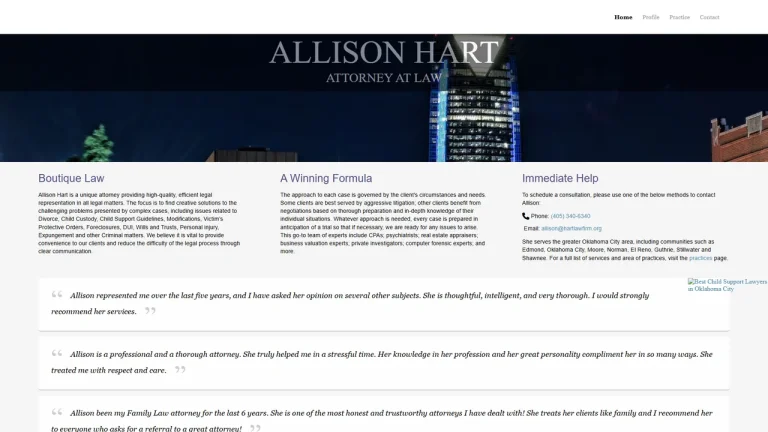
Allison Hart, P.C. - Oklahoma City, OK

Joel K. Mitchell, Attorney-at-Law - Tulsa, OK

Karen Keith Wilkins, Attorney at Law - Tulsa, OK

Hendrick, Casey, & Hutter, Attorneys At Law Oklahoma City, OK

Law Office of Lisé L. Edwards Oklahoma City, OK

Denker & Zuhdi, PLLC - Oklahoma City, OK

Law Office of Lindsey W. Andrews Oklahoma City, OK
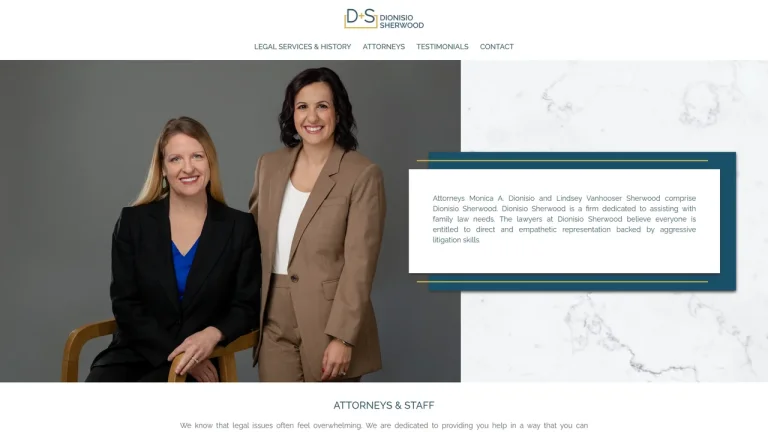
Dionisio Sherwood Law Firm - Oklahoma City, OK

Divorce Law Office of Oklahoma City - Oklahoma City, OK

Tulsa Moms.Law - Tulsa, OK
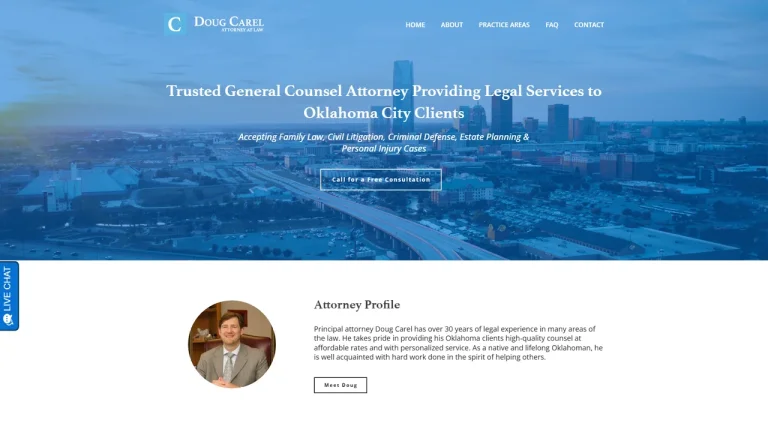
Doug Carel Attorney at Law - Oklahoma City, OK

Rahill Law Firm, PLLC Oklahoma City, OK

Lateesha D. Hunter, P.C. - Oklahoma City, OK

Justice Legal Team PLLLP - Oklahoma City, OK

Stratton Family Law - Oklahoma City, OK

Brad K. Cunningham, Family Law Attorney - Tulsa, OK

Divorce of Tulsa Law Office - Tulsa, OK

Legal Aid Services of Oklahoma Oklahoma City, OK

Cannon & Associates Criminal Defense and Family Law - Oklahoma City, OK

Babbit, Mitchell & Ogle Attorneys and Counselors at Law - Oklahoma City, OK

Wallace Law Firm PC - Oklahoma City, OK
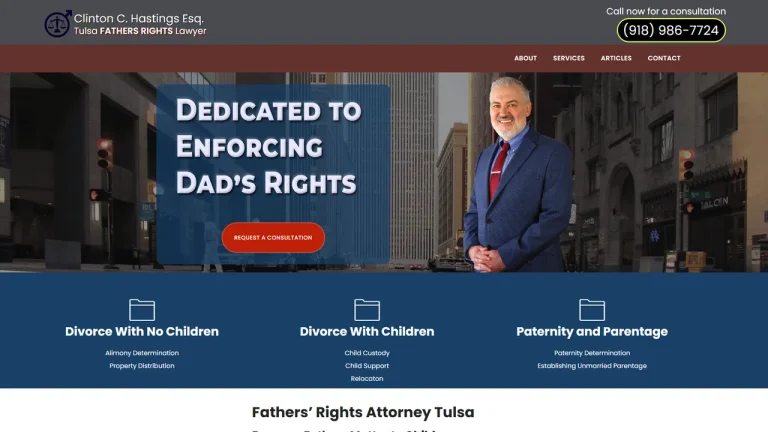
Tulsa FATHERS RIGHTS Lawyer - Tulsa, OK
Fry & Elder - Tulsa, OK

Navigating Oklahoma Divorce Laws and Court Jurisdiction
Dissolution of marriage in Oklahoma is governed by Title 43 of the Oklahoma Statutes and handled exclusively by the state District Courts. Prominent judicial districts include the Oklahoma County District Court in Oklahoma City, the Tulsa County District Court in Tulsa, and the Cleveland County District Court in Norman. Whether seeking a divorce based on incompatibility or statutory fault-based grounds under Okla. Stat. tit. 43, § 101, proceedings are dictated by mandatory statutory timelines and county court rules.
Oklahoma operates as an equitable division state pursuant to Okla. Stat. tit. 43, § 121, meaning marital assets and debts accumulated during the marriage must be divided equitably rather than down the middle. Separate property-such as assets acquired prior to the marriage, individual inheritances, or gifts-remains distinct unless commingled. Oklahoma divorces often involve complex financial holdings, including mineral interests, working oil and gas rights, agricultural land, and closely held private businesses, making precise asset tracing essential.
The divorce attorneys featured in our directory are licensed by the Supreme Court of Oklahoma and maintain active standing with the Oklahoma Bar Association. Retaining an attorney who regularly appears before your local county District Court ensures that mandatory cooling-off periods, temporary order hearings, and statutory financial disclosures are executed with precision.
Oklahoma Divorce Attorney Fees and Litigation Costs
| Case Scenario | Fee Structure | Estimated Cost (USD) | Key Cost Determinants |
|---|---|---|---|
| Uncontested Divorce without Minor Children | Fixed Flat Fee | $1,200 - $3,000 | Comprehensive marital settlement agreement, waiver of formal service, absence of real estate or business disputes. |
| Contested Divorce with Complex Assets | Hourly / Retainer | $4,500 - $12,000+ ($275 - $500/hr) | Business valuations, mineral rights tracing, real estate appraisals, formal financial discovery depositions. |
| High-Conflict Divorce with Children | Hourly / Retainer | $6,000 - $18,000+ | Mandatory 90-day waiting period, guardian ad litem appointment, custody evaluations, contested temporary hearings. |
| Support Alimony & Post-Decree Enforcement | Hourly / Retainer | $2,500 - $6,000 | Demonstrating financial need versus ability to pay under R.C. 43 § 134, contempt filings, Qualified Domestic Relations Orders. |
Critical Legal Deadlines & Statutes in Oklahoma
Oklahoma divorce actions require strict adherence to statutory timelines. Under Okla. Stat. tit. 43, § 102, the petitioner or respondent must have been an actual resident of the state of Oklahoma for at least six months immediately preceding the filing of the petition, and a resident of the county where the action is filed for at least thirty days.
When minor children are involved, Okla. Stat. tit. 43, § 107.1 establishes a mandatory 90-day waiting period from the date of filing before a final decree of divorce can be entered. The court may waive this period only upon a showing of good cause without objection. Furthermore, litigants must observe the remarriage prohibition codified in Okla. Stat. tit. 43, § 123, which makes it unlawful for either party to marry any person in Oklahoma other than the former spouse within six months from the date the divorce decree is granted.
Small Claims Limitations vs. District Court Divorce Proceedings
Under Okla. Stat. tit. 12, § 1751, Oklahoma small claims courts possess a strict recovery limit of $10,000 for monetary disputes and simple replevin actions. Small claims divisions have zero subject-matter jurisdiction to dissolve marriages, order support alimony, divide pension benefits, or adjudicate marital property titles.
Pursuant to Title 43, exclusive jurisdiction over divorce and domestic relations belongs to the Oklahoma District Courts. Attempting to draft marital settlement agreements without legal counsel frequently leads to costly defects, such as flawed pension divisions that fail to satisfy federal Qualified Domestic Relations Order (QDRO) standards or ambiguous property transfer deeds. Retaining an Oklahoma divorce lawyer ensures that all financial stipulations are legally enforceable and that marital property is transferred cleanly.
Red Flags to Avoid When Hiring an Oklahoma Divorce Lawyer
- Attorneys guaranteeing specific asset distribution percentages or alimony figures prior to formal financial discovery and valuation.
- Failure of counsel to provide immediate guidance regarding the statutory Automatic Temporary Injunction under Okla. Stat. tit. 43, § 110, leading to accidental asset freezing violations.
- Lawyers who lack experience valuing mineral interests, lease bonuses, and royalty checks common in Oklahoma marital estates.
- Practitioners who bill for unitemized administrative overhead or aggressively promote protracted trial litigation over court-ordered mediation.
Frequently Asked Questions
What is the Automatic Temporary Injunction in an Oklahoma divorce?
Codified under Okla. Stat. tit. 43, § 110, the Automatic Temporary Injunction (ATI) takes effect upon filing and service. It prohibits both parties from transferring, concealing, or encumbering marital assets, canceling insurance coverage, altering retirement beneficiaries, or disturbing the peace of the other party.
How does Oklahoma determine support alimony?
Under Okla. Stat. tit. 43, § 134, support alimony is not based on a statutory formula; rather, the court evaluates the demonstrated financial need of the recipient spouse and the ability of the payor spouse to pay, taking into account the duration of the marriage and marital lifestyle.
Can the 6-month remarriage waiting period be bypassed in Oklahoma?
No. Under Okla. Stat. tit. 43, § 123, it is unlawful to marry any third party within Oklahoma for six months following the entry of the final decree. Remarrying your former spouse within this period is permitted, but marrying another party within Oklahoma is voidable.
How are oil and gas mineral rights divided in an Oklahoma divorce?
Mineral rights acquired prior to the marriage or inherited individually remain separate property under Okla. Stat. tit. 43, § 121. However, royalty income commingled during marriage or mineral interests purchased with marital earnings are subject to equitable division, requiring deed execution and division orders.
Can a divorce decree be finalized without court appearances in Oklahoma?
In uncontested matters without minor children, if both spouses execute a signed marital settlement agreement and waiver of service, many Oklahoma District Courts permit the divorce to be finalized by submitting an agreed decree and affidavit without an in-person hearing.