
IRS Dispute Lawyers in Oklahoma
Finding an Oklahoma IRS dispute lawyer ensures your taxpayer rights are protected against aggressive federal collection actions under strict statutory deadlines. Skilled tax controversy counsel can resolve audits, release wage levies, and negotiate administrative settlements before litigation escalates. Explore our directory below to connect with trusted local professionals across Oklahoma.

Aizenman Law Group - Tulsa, OK
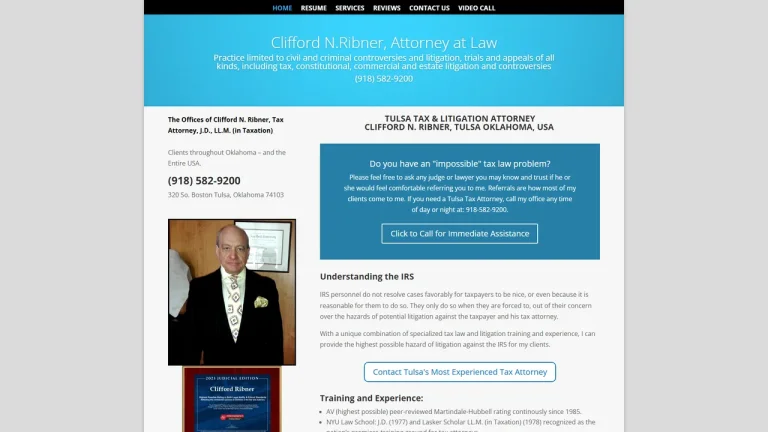
Clifford N. Ribner, Attorney - Tulsa, OK

Federal Public Defender - Tulsa, OK

Tax Relief Law Center - Oklahoma City, OK

Polston Tax Resolution & Accounting - Tulsa, OK

Morrel Law PLLC - Tulsa, OK

Mysock Chevaillier & Birdsong, LLP - Tulsa, OK
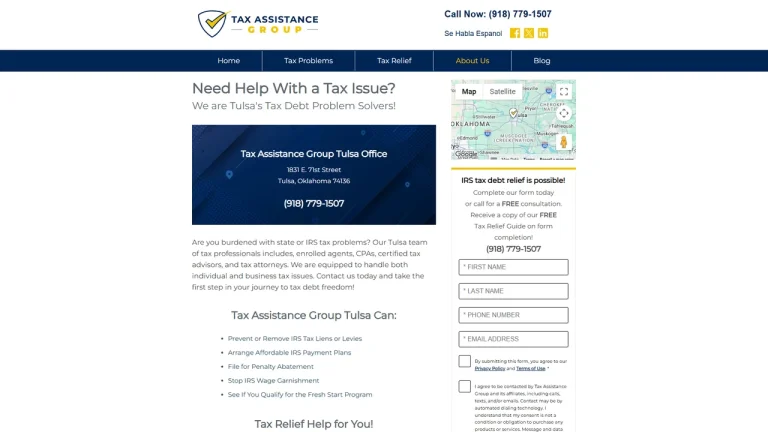
Tax Assistance Group - Tulsa, OK

Polston Tax Resolution & Accounting - Oklahoma City, OK

Dowling Law Office - Oklahoma City, OK

Travis Watkins Tax - Tulsa, OK

Deborah Brooks & Associates, P.C. - Oklahoma City, OK

Hanson & Hanson Law Firm, PLLC - Tulsa, OK

Bankruptcy Attorneys Of Tulsa - Tulsa, OK

Taxation Solutions & Tax Relief - Oklahoma City, OK

Zeiders Law Group, PLLC - Tulsa, OK

Paul H. Burgess & Co., Attorney-CPAs - Tulsa, OK
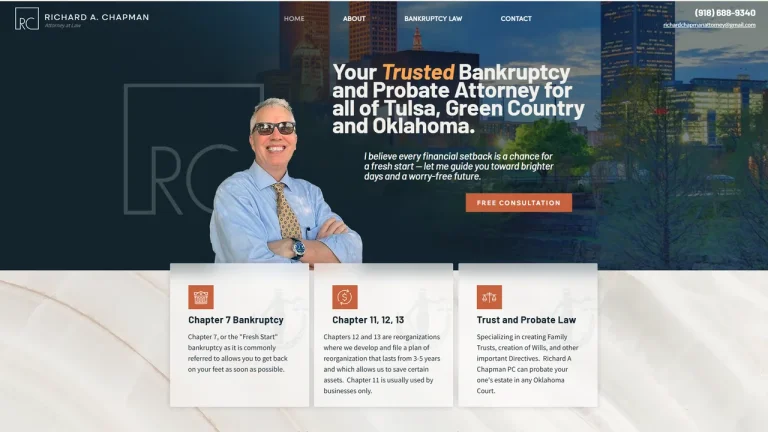
Professional Bankruptcy - Tulsa, OK

Franklin Gray Patents LLC - Oklahoma City, OK

Travis W. Watkins Tax Resolution & Accounting Firm - Oklahoma City, OK

Tax Help Legal Network, P.C. - Oklahoma City, OK
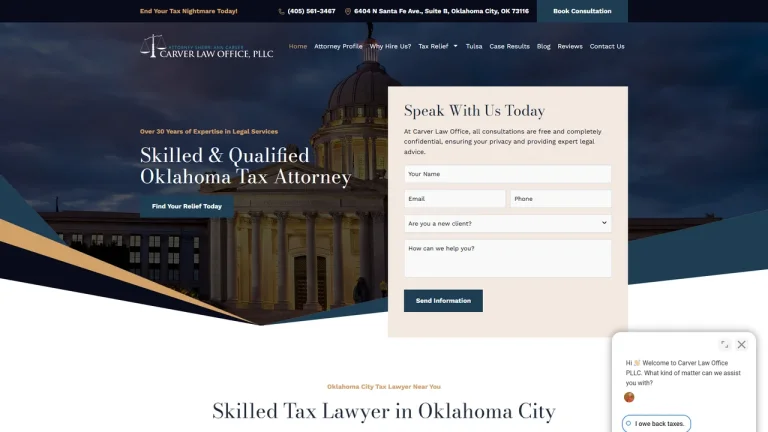
Resolving Federal IRS Tax Controversies Across Oklahoma
Contesting federal tax deficiencies and enforcement actions requires assertive defense under federal procedural law. Across Oklahoma-from the urban centers of Oklahoma City and Tulsa to Norman, Edmond, Broken Arrow, and Lawton-individuals, oilfield contractors, and corporate taxpayers frequently face IRS audits, unfiled return assessments, federal tax liens, and administrative bank levies. Retaining an Oklahoma attorney admitted to practice before federal forums safeguards your financial assets throughout the controversy process.
Federal tax controversy matters originating in Oklahoma fall under the administrative jurisdiction of the Internal Revenue Service Independent Office of Appeals and the judicial purview of the United States Tax Court. Where refund claims or federal enforcement actions arise, jurisdiction resides in the U.S. District Court for the Western District of Oklahoma, the U.S. District Court for the Northern District of Oklahoma, or the U.S. District Court for the Eastern District of Oklahoma. Counsel admitted by the Oklahoma Bar Association ensures your interests are represented before administrative officers and federal judges.
An IRS dispute attorney provides crucial advantages that non-attorney representatives cannot offer. Legal counsel maintains attorney-client privilege, examines IRS audit trails for procedural violations, challenges arbitrary assessments, and represents taxpayers in Collection Due Process hearings, preventing unwarranted levies while negotiating formal compromise agreements.
Typical Costs and Fee Structures for Oklahoma IRS Dispute Lawyers
| Case Scenario | Fee Structure | Estimated Cost (USD) | Key Cost Determinants |
|---|---|---|---|
| IRS Audit Representation & Defense | Hourly Retainer | $350 - $700 per hour ($3,000 - $7,000 retainer) | Scope of examination, business entity structure (Schedule C/partnership), and bookkeeping quality. |
| Offer in Compromise (OIC) Negotiation | Flat Fee or Hybrid | $3,500 - $6,500 | Reasonable collection potential calculations, real estate asset equity, and IRS appeals review. |
| Collection Due Process (CDP) & Levy Release | Flat Fee or Hourly | $2,000 - $5,000 | Imminence of active bank garnishment, revenue officer assignment, and hearing preparation. |
| United States Tax Court Litigation | Retainer + Hourly | $5,000 - $15,000+ | Stipulation of facts drafting, IRS Chief Counsel negotiations, discovery disputes, and trial readiness. |
Critical Legal Deadlines & Statutes in Oklahoma
Navigating an IRS dispute requires strict compliance with federal statutory timetables. Missing a procedural deadline can permanently eliminate your right to challenge tax liabilities in court without paying the assessed amount first.
When the IRS issues a Final Notice of Intent to Levy and Notice of Your Right to a Hearing, the taxpayer has exactly 30 days under 26 U.S. Code § 6330 to submit IRS Form 12153 requesting a formal Collection Due Process (CDP) hearing, which legally halts levy enforcement. If the IRS issues a Statutory Notice of Deficiency, taxpayers have an unalterable 90-day window under 26 U.S. Code § 6213 to file a petition with the U.S. Tax Court. This deadline is strictly jurisdictional and cannot be extended under any circumstance.
Federal law also restricts the duration of IRS audit and collection powers. Under 26 U.S. Code § 6501, the IRS generally has three years from the date a tax return is filed to assess additional liabilities. Once an assessment is entered, the Collection Statute Expiration Date (CSED) under 26 U.S. Code § 6502 limits IRS collection enforcement to ten years, unless statutory tolling events suspend the limitation period.
Direct Administrative Resolution vs. Dedicated Legal Counsel
In Oklahoma, small claims dockets within district courts operate under Okla. Stat. tit. 12, § 1751 with a $10,000 limitation. However, Oklahoma small claims courts possess zero jurisdiction over federal tax disputes. Federal tax matters are governed exclusively by Title 26 of the United States Code and federal administrative rules.
Certain routine matters, such as requesting tax transcripts or entering into a streamlined installment agreement for debts under $50,000, can often be managed directly by taxpayers. However, when an IRS Revenue Officer appears at an Oklahoma business, or when the IRS threatens payroll levies under Trust Fund Recovery Penalty provisions in 26 U.S. Code § 6672 or asserts civil fraud penalties under 26 U.S. Code § 6663, retaining counsel is critical. An IRS dispute attorney protects business operations, negotiates with IRS Appeals, and prevents catastrophic asset seizures.
Red Flags to Avoid When Choosing an Oklahoma IRS Dispute Attorney
- Promises to eliminate federal tax debt for pennies on the dollar without calculating Reasonable Collection Potential (RCP) based on real estate equity and income.
- National advertising firms that hand off client files to non-attorney salespeople rather than attorneys admitted to the Oklahoma Bar Association.
- Advising taxpayers to ignore IRS correspondence or intentionally delay filing mandatory annual returns, triggering severe failure-to-file penalties.
- Attorneys who lack formal admission to practice before the United States Tax Court, limiting their ability to litigate unresolved matters.
Frequently Asked Questions
Can an Oklahoma IRS dispute lawyer stop an active wage levy or bank seizure?
Yes. By filing a timely request for a Collection Due Process hearing under 26 U.S. Code § 6330 or demonstrating economic hardship under IRS guidelines, an attorney can halt active enforcement and secure the release of frozen bank funds or garnished wages.
What is an Offer in Compromise, and who qualifies in Oklahoma?
An Offer in Compromise (OIC) allows qualifying taxpayers to resolve their tax liability for less than the full amount. Eligibility depends on calculating Reasonable Collection Potential (RCP), analyzing net realizable asset equity, and evaluating monthly disposable income.
What happens if I miss the 90-day Tax Court deadline?
The 90-day deadline under 26 U.S. Code § 6213 is strictly jurisdictional. If missed, you lose the right to challenge the assessment in the U.S. Tax Court without paying first; your remaining remedy is to pay the tax and file a federal refund lawsuit.
How long does the IRS have to collect unpaid federal taxes?
Under 26 U.S. Code § 6502, the IRS has ten years from the date of assessment to collect outstanding taxes. Submitting an Offer in Compromise, requesting a CDP hearing, or filing for bankruptcy will suspend this ten-year statutory clock.
What is the Trust Fund Recovery Penalty for business owners?
Under 26 U.S. Code § 6672, the IRS can hold business owners, officers, and payroll managers personally liable for unpaid employee withholding taxes. This penalty cannot be discharged in personal bankruptcy, making legal representation essential.