
Business & Real Estate Lawyers in Oklahoma City
Retaining an experienced Oklahoma City business and real estate lawyer protects your commercial investments and corporate assets under Oklahoma law. Strategic transactional counsel negotiates commercial leases, manages property acquisitions, resolves title defects, and handles business litigation in Oklahoma County. Review our verified directory below to consult an established commercial attorney in Oklahoma City today.
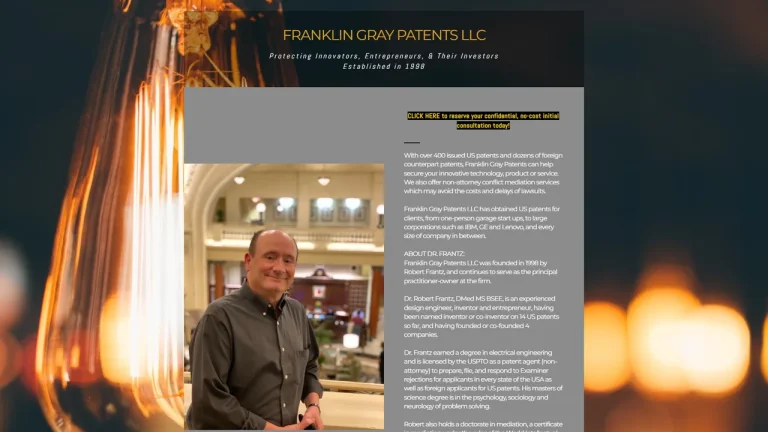
Franklin Gray Patents LLC - Oklahoma City, OK

Painter Law, PLLC - Oklahoma City, OK
Alexander Davis, P.L.C. Oklahoma City, OK
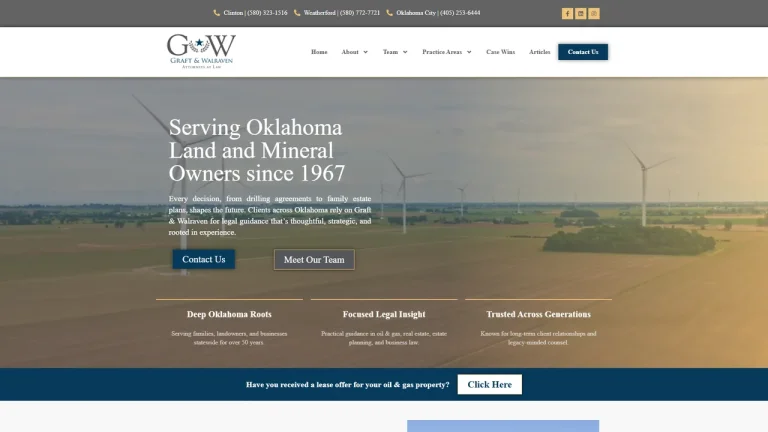
Graft & Walraven - Oklahoma City, OK

Resides and Cazes, PLLC Oklahoma City, OK

Robertson and Williams Oklahoma City, OK
Helms Law Firm - Oklahoma City, OK

Mark Wilson Law - Oklahoma City, OK

Fellers Snider - Oklahoma City, OK

William R. Cook II, PLLC - Oklahoma City, OK

Mark A. Patzkowski, PLLC - Oklahoma City, OK

The Gooding Law Firm P.C. - Oklahoma City, OK

Charles C. Ward Attorney at Law - Oklahoma City, OK
Blau Law Firm, PLLC - Oklahoma City, OK
CG Law, PLLC - Oklahoma City, OK
Niroula Law PLLC - Oklahoma City, OK

Polston Tax Resolution & Accounting - Oklahoma City, OK

Parman and Easterday Oklahoma City, OK

Whiting & Bruner, PLLC - Oklahoma City, OK

Dowling Law Office - Oklahoma City, OK

Kevin L. Miller, PC--Attorney at Law - Oklahoma City, OK
Jana B. Leonard - Oklahoma City, OK

Elizabeth A. Richards Attorney at Law - Oklahoma City, OK
Commercial and Real Property Legal Counsel in Oklahoma County
Managing corporate enterprises and executing commercial real estate transactions in Oklahoma City requires strict adherence to Oklahoma statutes and county recording standards. In Oklahoma City, commercial contract disputes, quiet title lawsuits, boundary controversies, and mechanics lien foreclosures are litigated in the Oklahoma County District Court at 320 Robert S. Kerr Avenue in downtown Oklahoma City.
Entity formations, corporate amendments, and commercial UCC filings are administered through the Oklahoma Secretary of State at 421 NW 13th Street in Oklahoma City. Real property deeds, mineral conveyances, mortgages, and commercial encumbrances are recorded with the Oklahoma County Clerk Registrar of Deeds in the Oklahoma County Office Building.
From commercial redevelopments in Bricktown, Midtown, and the Innovation District to industrial and warehousing corridors along Interstate 40 and Interstate 35, commercial ventures carry significant financial exposure. Retaining an experienced Oklahoma City business and real estate attorney ensures clear contractual terms, thorough title examinations, and proactive defense against commercial liability.
Oklahoma City Business & Real Estate Legal Fee Structures
Legal fees for business and real estate services in Oklahoma County are structured through predictable flat fees for standard transactions and entity formation, with hourly billing applied to complex negotiations and commercial litigation.
| Case Scenario | Fee Structure | Estimated Cost (USD) | Key Cost Determinants |
|---|---|---|---|
| Corporate & LLC Entity Formation | Flat Fee | $800 - $2,500 | Articles of Organization, operating agreements, member buy-sell terms, and Oklahoma Secretary of State filing fees. |
| Commercial Property Acquisition & Closing | Flat Fee or Hourly | $2,000 - $6,500 or $275 - $450/hr | Title commitment audits, environmental Phase I review, municipal zoning compliance, and closing escrow oversight. |
| Commercial Lease Review & Negotiation | Flat Fee or Hourly | $1,200 - $3,500 | CAM reconciliations, tenant improvement allowances, default covenants, and personal guaranty structures. |
| Commercial & Real Estate Breach Litigation | Hourly Retainer ($300 - $500/hr) | $7,500 - $30,000+ | Discovery volume, forensic financial audits, mechanics lien enforcement, and duration of district court trial. |
Critical Legal Deadlines & Statutes in Oklahoma
Commercial transactions and real property disputes in Oklahoma City operate under strict statutory deadlines. Under 12 Okla. Stat. § 95(A)(1), the statute of limitations for an action founded upon a written contract or real estate purchase agreement is five years from the date of the breach. For oral or unwritten agreements, an action must be commenced within three years pursuant to 12 Okla. Stat. § 95(A)(2).
Contractors, subcontractors, and suppliers must comply with strict lien deadlines codified in Title 42. Under 42 Okla. Stat. § 142, an original contractor must file a lien statement with the Oklahoma County Clerk within four months after the date labor was last performed or materials were furnished. Subcontractors must serve a pre-lien notice within seventy-five days under 42 Okla. Stat. § 142.6 and file their lien within ninety days under 42 Okla. Stat. § 143. An action to enforce a mechanics lien must be commenced within one year of the filing date pursuant to 42 Okla. Stat. § 172. Adverse possession claims require fifteen years of continuous, hostile possession under 12 Okla. Stat. § 93(4).
Small Claims Limits vs. Engaging Commercial Counsel
Under 12 Okla. Stat. § 1751, the Small Claims Division of the Oklahoma County District Court is capped at $10,000. While a sole proprietor can use small claims court to collect an unpaid customer account under $10,000, small claims court has zero jurisdiction over real estate title disputes, quiet title decrees, commercial lease evictions, or corporate shareholder dissolutions.
Under Oklahoma court procedural rules, corporations and limited liability companies generally cannot appear pro se or be represented in district court by non-lawyer owners. Attempting to prosecute or defend a business controversy without licensed legal counsel can result in default judgments. Furthermore, real estate transactions involving title defects, mineral right reservations, or commercial zoning variances require sophisticated legal drafting. An experienced Oklahoma City business and real estate lawyer protects corporate liability shields, ensures marketable title, and defends enterprise investments in the 7th Judicial District Court.
Red Flags When Hiring an Oklahoma City Business & Real Estate Lawyer
- Using standardized online templates for corporate operating agreements that fail to incorporate Oklahoma statutory voting rules or transfer restrictions.
- Real estate closing companies or title agents attempting dual representation without full written conflict disclosures.
- Failing to perform mineral rights title searches when purchasing commercial or developmental acreage in Oklahoma County.
- Commercial litigators who bill open-ended hourly retainers without providing itemized invoices or realistic dispute resolution budgets.
Frequently Asked Questions
Why is a mineral rights title search necessary when buying real estate in Oklahoma City?
In Oklahoma, surface rights and mineral rights are frequently severed. A standard title examination may not include mineral ownership. A dedicated mineral title search ensures you know whether oil, gas, and mineral rights are conveyed or reserved by previous owners.
Can an LLC or corporation represent itself in Oklahoma County District Court?
No. Under Oklahoma law and Supreme Court precedent, artificial legal entities such as corporations and LLCs must be represented by a licensed attorney when appearing before the District Court, even if the business has only one owner.
What is the statutory deadline to enforce a mechanics lien in Oklahoma?
Under 42 Okla. Stat. § 172, a claimant must file a lawsuit to enforce a mechanics or materialmens lien within one year from the date the lien was filed with the Oklahoma County Clerk, or the lien is automatically canceled by operation of law.
What is the difference between a warranty deed and a quitclaim deed in Oklahoma?
A warranty deed provides full legal guarantees that the grantor holds clear title and will defend the buyer against title defects. A quitclaim deed conveys only whatever interest the grantor possesses without any warranties, making it unsuitable for commercial acquisitions.
What are the key provisions to negotiate in an Oklahoma City commercial lease?
Key provisions include common area maintenance (CAM) cost caps, tenant improvement allowances, assignment and subletting restrictions, personal guaranty limitations, and default remedy terms.