
Wills, Estate Planning & Probate Lawyers in Oklahoma City
Retaining a skilled Oklahoma City estate planning lawyer protects family assets and avoids probate delays under Oklahoma law. Dedicated legal counsel drafts revocable trusts, executes valid wills, and administers probate proceedings. Explore our directory below to consult an experienced Oklahoma County attorney today.

Great Plains Legal Group Oklahoma City, OK

Law Office of Lindsey W. Andrews Oklahoma City, OK

Goodnight Law, PLLC - Oklahoma City, OK

Wagner Law Firm - Oklahoma City, OK

Law Office of Lisé L. Edwards Oklahoma City, OK

Jim A Lyon Law Firm - Oklahoma City, OK
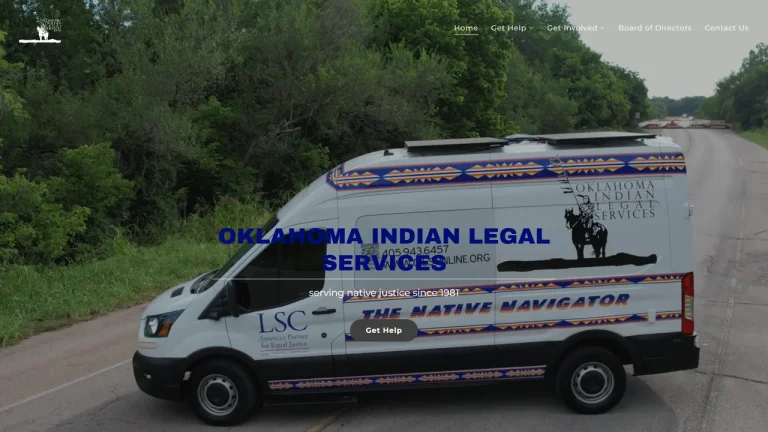
Oklahoma Indian Legal Services, Inc. Oklahoma City, OK

Midtown Attorneys, P.C. - Oklahoma City, OK

Painter Law, PLLC - Oklahoma City, OK

J. Jackson Law Offices, PLLC - Oklahoma City, OK

Grant Estate Law - Oklahoma City, OK

Swain Trusts & Estates Law - Oklahoma City, OK

Justice Legal Team PLLLP - Oklahoma City, OK

Rainey Law, LLP Oklahoma City, OK

Elizabeth A. Richards Attorney at Law - Oklahoma City, OK

Charles C. Ward Attorney at Law - Oklahoma City, OK

William R. Pierce Attorney at Law - Oklahoma City, OK

Taylor Law Firm, PLLC - Oklahoma City, OK

Galier & Associates, P.C. - Oklahoma City, OK

Oklahoma Consumer Law Firm - Oklahoma City, OK

The Terrell Law Firm - Oklahoma City, OK

Legatum Legal Oklahoma - Edmond, OK
Resides and Cazes, PLLC Oklahoma City, OK

Navigating Estate Planning and Probate in Oklahoma County
Estate planning in Oklahoma City encompasses preserving family wealth, protecting mineral and agricultural interests, and transferring real estate across neighborhoods such as Nichols Hills, Heritage Hills, Downtown OKC, Midtown, and suburban communities like Edmond and The Village. Without comprehensive estate planning, estates face statutory intestate distribution under Oklahoma law, resulting in court oversight and delays.
Probate proceedings and trust litigation are adjudicated in the Oklahoma County District Court (7th Judicial District of Oklahoma) at the Oklahoma County Courthouse on Park Avenue in Downtown Oklahoma City. Court filings, creditor docketing, and estate inventories are tracked through the Oklahoma State Courts Network (OSCN). Real property deeds, mineral interests, and Transfer on Death Deeds (TODDs) are recorded with the Oklahoma County Clerk's Office.
Structuring an estate requires careful legal execution to avoid the time and expense of formal probate administration. An Oklahoma City estate planning attorney designs custom revocable living trusts under 60 O.S. § 175.1, drafts valid wills under 84 O.S. § 55, and utilizes summary probate procedures under 58 O.S. § 245 when appropriate.
Estate Planning and Probate Fee Structures in Oklahoma City
| Case Scenario | Fee Structure | Estimated Cost (USD) | Key Cost Determinants |
|---|---|---|---|
| Comprehensive Estate Plan (Revocable Trust, Pour-Over Will, POA) | Flat Fee ($1,800 - $4,500) | $1,800 - $4,500 | Asset valuation, real estate deed transfers, mineral right assignments |
| Simple Last Will and Testament & Advance Directives | Flat Fee ($600 - $1,500) | $600 - $1,500 | Guardian nominations, specific bequests, healthcare directive drafting |
| Summary Probate Administration (Estate under $200,000) | Flat Fee or Hourly ($250 - $400/hr) | $2,500 - $5,500 | Creditor claim volume, publication requirements, Oklahoma County docket speed |
| Contested Estate Litigation & Will Contest | Retainer + Hourly ($300 - $500/hr) | $7,500 - $30,000+ | Undue influence allegations, testamentary capacity proof, multi-party beneficiary disputes |
Critical Legal Deadlines & Statutes in Oklahoma Probate
Estate administration in Oklahoma is governed by strict statutory rules and timelines. Under 84 O.S. § 55, a formal written will must be signed by the testator in the presence of two attesting witnesses who subscribe their names in the testator's presence. Holographic wills (written entirely in the testator's own handwriting) are governed under 84 O.S. § 54.
For small estates, 58 O.S. § 393 permits heirs to collect personal property through an affidavit if the total gross estate value does not exceed $50,000. Under 58 O.S. § 245, an estate is eligible for expedited summary administration if the estate value does not exceed $200,000, if the decedent has been deceased for more than 5 years, or if the decedent resided outside Oklahoma at death.
Once a personal representative is appointed, notice to creditors must be published in an Oklahoma County newspaper, giving creditors strictly 2 months to present claims pursuant to 58 O.S. § 331; claims not presented within this period are forever barred. If an individual dies without a will, estate distribution is dictated strictly by the intestate succession statutes under 84 O.S. § 213. Additionally, under 58 O.S. § 1252, homeowners can transfer real property outside of probate using a Transfer on Death Deed, provided it is recorded prior to the grantor's death.
Small Claims Court vs. Retaining an Oklahoma City Probate Lawyer
The Oklahoma County District Court Small Claims Division, governed by 12 O.S. § 1751 with a jurisdictional ceiling of $10,000, is limited strictly to small civil monetary disputes and recovery of personal property. Small claims court possesses zero jurisdiction over probate matters, will contests, or trust administration.
Probate proceedings in Oklahoma require formal judicial orders to transfer legal title to real estate, mineral deeds, and financial accounts. Attempting to draft estate documents or navigate probate pro se introduces severe liabilities. Improperly executed wills violate 84 O.S. § 55, causing the estate to be declared intestate, while self-represented personal representatives risk personal liability for improper creditor disbursements or disputed estate accountings.
Retaining an experienced estate planning attorney admitted to the Oklahoma Bar Association and the Oklahoma County Bar Association ensures seamless estate administration. Legal counsel structures trusts to bypass probate entirely, ensures deeds are properly recorded with the county clerk, and protects beneficiaries in the Oklahoma County District Court.
Red Flags to Avoid When Hiring an Estate Planning Lawyer
- Online DIY form kits or non-attorney "trust mills" that sell standardized living trusts without transferring real estate or mineral deeds into the trust.
- Failure to address oil, gas, and mineral rights, which require specialized ancillary probate or county deed recordings under Oklahoma law.
- Unclear probate fee arrangements that do not distinguish between court costs, publication fees, and legal hourly representation.
- Attorneys lacking regular experience before the probate judges in the Oklahoma County Courthouse on Park Avenue.
Frequently Asked Questions
What is the difference between a will and a revocable living trust in Oklahoma?
A will takes effect only upon death and must go through probate court in Oklahoma County. A revocable living trust created under 60 O.S. § 175.1 holds title to your assets during your lifetime and transfers them privately to beneficiaries without probate court involvement.
What is the estate value limit for summary probate in Oklahoma?
Under 58 O.S. § 245, an estate with a total value of $200,000 or less qualifies for summary probate administration, which significantly shortens the probate timeline compared to general formal administration.
How long do creditors have to file claims against an estate in Oklahoma County?
Under 58 O.S. § 331, creditors must submit their claims within 2 months following the publication of the notice to creditors. Claims not filed within this statutory window are permanently barred.
Does a Transfer on Death Deed (TODD) avoid probate in Oklahoma?
Yes. Under 58 O.S. § 1252, executing and recording a Transfer on Death Deed with the Oklahoma County Clerk allows your real estate or mineral interests to transfer automatically to your named beneficiary upon death without going through probate.
What happens if someone dies without a will in Oklahoma City?
If someone dies without a will, their estate is distributed according to Oklahoma's laws of intestate succession under 84 O.S. § 213, dividing assets among the surviving spouse, children, or other biological relatives according to statutory formulas.