
Wills Lawyers in Oklahoma
Retaining an experienced Oklahoma wills lawyer ensures your final wishes are strictly enforced under state probate law and statutory execution formalities. Knowledgeable probate counsel resolves heirship uncertainties and guides executors through estate administration, preventing protracted courtroom disputes among beneficiaries. Review our verified directory below to schedule a consultation with a qualified Oklahoma wills attorney.

Oath - Tulsa, OK

Brier Law Firm, PLLC - Tulsa, OK

The Schroeder Group Oklahoma City, OK

Oklahoma Legal Services P.L.L.C. Oklahoma City, OK

Legal Aid Services of Oklahoma Oklahoma City, OK

Lai & Turner Law Firm PLLC - Oklahoma City, OK
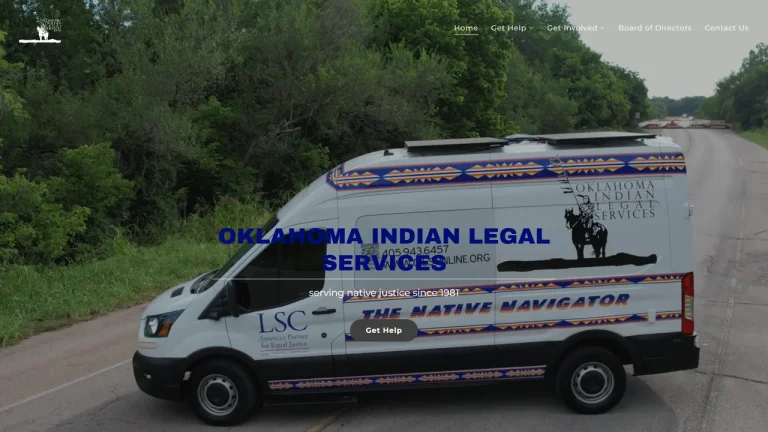
Oklahoma Indian Legal Services, Inc. Oklahoma City, OK

Jim A Lyon Law Firm - Oklahoma City, OK

Matthew E Riggin PLLC - Tulsa, OK

Dana Law, Inc. - Tulsa, OK

Jones Law Office - Tulsa, OK

Alleman Law Firm, PLLC - Oklahoma City, OK
EZ Lawyer - Tulsa, OK
Seda Estate Planning & Probate - Oklahoma City, OK

Goldman Law Office - Oklahoma City, OK

Legatum Legal Oklahoma - Edmond, OK
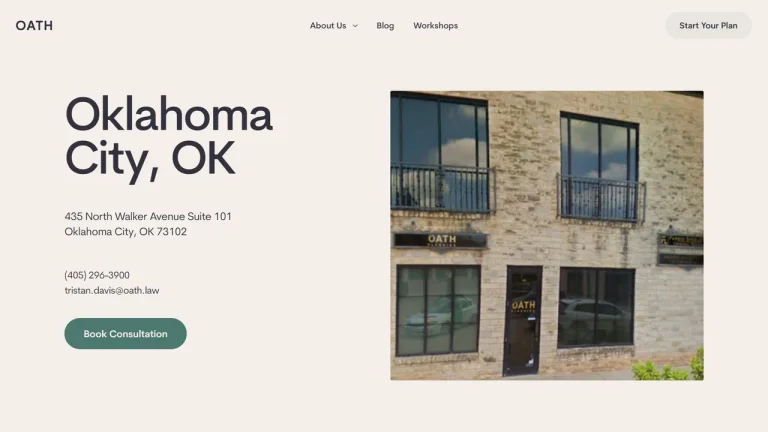
Oath - Oklahoma City Estate Planning & Investment Attorneys - Oklahoma City, OK

Karen Keith Wilkins, Attorney at Law - Tulsa, OK

Tallgrass Estate Planning, LLP - Tulsa, OK

Cortes Law Firm - Oklahoma City, OK
Parker R. Smith Attorney at Law, PC - Tulsa, OK

Kevin L. Miller, PC--Attorney at Law - Oklahoma City, OK

Mark A. Patzkowski, PLLC - Oklahoma City, OK
Oklahoma Wills and Estate Jurisdiction Across District Courts
The probate of wills, determination of heirship, and administration of decedents’ estates in Oklahoma fall under the exclusive subject-matter jurisdiction of the District Courts across all seventy-seven counties. Major probate dockets are managed by specialized judges in urban county seats, including the Oklahoma County District Court in Oklahoma City, the Tulsa County District Court in Tulsa, and the Cleveland County District Court in Norman.
Estate proceedings are managed and tracked publicly via the Oklahoma State Courts Network (OSCN) and OnDemand Court Records (ODCR). To ensure a will is legally recognized, instruments must strictly adhere to the execution requirements set forth by the Supreme Court of Oklahoma and statutory provisions. Retaining counsel licensed by the Oklahoma Bar Association ensures that testamentary documents are correctly drafted, witnessed, and self-proved to avoid contested admissions.
Beyond testamentary drafting, legal professionals guide personal representatives through mandatory creditor notices, inventory valuations, and final decree petitions. When real estate, personal possessions, or severed oil and gas mineral rights pass under a will, experienced counsel ensures clear, unclouded title conveyance to designated heirs.
Oklahoma Wills & Estate Legal Fee Benchmarks
| Case Scenario | Fee Structure | Estimated Cost (USD) | Key Cost Determinants |
|---|---|---|---|
| Individual Last Will & Testament Package | Fixed Flat Fee | $850 - $1,800 | Specific property bequests, minor child guardianship designations, execution of statutory self-proving affidavits. |
| Complex Will with Mineral Rights & Pour-Over Provisions | Flat Fee / Tiered Retainer | $2,200 - $4,800 | Severed mineral deed verifications across multiple counties, pour-over trust integration, estate tax allocation planning. |
| Uncontested Full Probate Administration | Flat / Hourly Blend | $2,500 - $6,500 | Estate asset volume, statutory creditor publication compliance, title curative requirements, OSCN filing fees. |
| Contested Will Litigation (Undue Influence / Capacity) | Hourly Retainer ($300 - $550/hr) | $7,500 - $25,000+ | Medical expert witness testimony on testamentary capacity, deposition volume, multi-day district court evidentiary hearings. |
Critical Legal Deadlines & Statutes in Oklahoma
Probate administration and testamentary challenges in Oklahoma are governed by rigid statutory deadlines. To be legally binding, formal witnessed wills must satisfy Okla. Stat. tit. 84 § 55, requiring the testator to declare the document as their will in the presence of two subscribing witnesses. Once an order admitting a will to probate has been entered, an interested party seeking to challenge the validity of the instrument must file a will contest within three months under Okla. Stat. tit. 58 § 67; failure to act within this statutory window renders the probate conclusive.
Creditors face similarly strict timeframes during probate administration. Pursuant to Okla. Stat. tit. 58 § 333, all claims against the estate must be formally presented to the personal representative within two months from the date of the first publication of the notice to creditors. For small estates with personal property valued under $50,000, heirs may avoid formal court proceedings entirely by executing a small estate affidavit pursuant to Okla. Stat. tit. 58 § 393. Estates not exceeding $200,000 may qualify for expedited summary administration under Okla. Stat. tit. 58 § 245, significantly reducing the probate timeline.
Small Claims Limitations vs. Professional Estate Representation
Under Okla. Stat. tit. 12 § 1751, small claims actions in Oklahoma are strictly restricted to monetary and recovery claims not exceeding $10,000. Small claims dockets possess no subject-matter jurisdiction to admit wills to probate, interpret disputed testamentary clauses, appoint personal representatives, or clear land titles. All estate matters must be filed within the appropriate District Court probate docket.
Attempting to settle an estate without an attorney frequently leads to clouded real estate titles, improper creditor distributions, and personal liability for the executor. An experienced Oklahoma wills attorney ensures full compliance with statutory publication rules, assists with accurate inventory appraisals, and properly transfers real property and mineral interests to beneficiaries with clean, marketable title.
Red Flags to Avoid When Choosing an Oklahoma Wills Lawyer
- Generic Online Will Forms: Avoid services offering standardized forms that fail to include Oklahoma-compliant self-proving affidavits under Okla. Stat. tit. 84 § 55, which forces witnesses into court after your death.
- Overlooking Severed Mineral Rights: Disregard estate planners who fail to inquire about oil, gas, and mineral ownership, as unprobated mineral rights in Oklahoma remain clouded across county land registries.
- Lack of District Court Probate Experience: Steer clear of general practitioners who do not regularly appear in the probate division of the local county District Court handling your family matters.
- Vague Estate Administration Billing: Ensure the attorney provides a clear written retainer explaining whether estate administration fees are calculated on a flat fee, hourly rate, or statutory percentage basis.
Frequently Asked Questions
What makes a last will and testament legally valid in Oklahoma?
Under Okla. Stat. tit. 84 § 55, a formal will must be in writing, signed by the testator (or at their direction), and attested by two competent witnesses who sign in the testator’s presence.
How long do interested parties have to contest an admitted will in Oklahoma?
Under Okla. Stat. tit. 58 § 67, an interested person has three months from the date the will is admitted to probate to contest its validity before the District Court.
What is the statutory deadline for creditors to submit claims against an Oklahoma estate?
Pursuant to Okla. Stat. tit. 58 § 333, creditors must file their claims within two months from the first publication of the personal representative’s notice to creditors, or claims are forever barred.
Can a will contest or probate matter be filed in Oklahoma small claims court?
No. Oklahoma small claims courts are limited to civil debts up to $10,000 under Okla. Stat. tit. 12 § 1751 and lack jurisdiction over probate proceedings, will challenges, or estate distributions.
What is the monetary limit for a small estate affidavit in Oklahoma?
Under Okla. Stat. tit. 58 § 393, heirs can collect personal property using a small estate affidavit if the total value of the decedent’s estate subject to probate does not exceed $50,000.