
Business Litigation Lawyers in Oregon
Retaining an experienced Oregon business litigation attorney protects your enterprise against breach of contract, shareholder disputes, and commercial losses. Skilled trial counsel frequently resolves contentious corporate conflicts through strategic negotiation and mediation, avoiding prolonged courtroom exposure. Explore our directory below to consult with top-rated Oregon commercial litigators today.

Law Office of Emily S. Hill, P.C. - Eugene, OR

Harrang Long P.C. - Eugene, OR

Schwabe Williamson & Wyatt - Salem, OR

The Law Office of Jill F. Foster Salem, OR
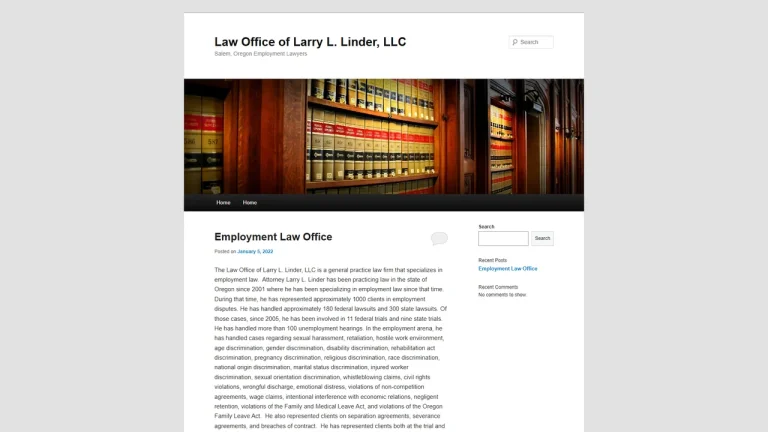
Law Office of Larry L. Linder, LLC - Salem, OR

Hanson and Walgenkim, Salem, OR

The Law Firm of Peter Bunch - Portland, OR

John L. Shadden Attorney At Law - Hillsboro, OR
Dean J Gibbons Law Offices - Portland, OR

Ferder, Casebeer & Knodell, LLC - Salem, OR
McEwen Gisvold LLP - Portland, OR

Burnside Law Group - Portland, OR

Klarquist Sparkman, LLP - Portland, OR

Soran Law - Real Estate & Business Lawyer - Hillsboro, OR

Foster Garvey PC - Portland, OR
Arellano Law Firm - Hillsboro, OR

The Scott Law Group - Eugene, OR

Tonkon Torp LLP - Portland, OR

Garrett Hemann Robertson P.C., Salem, OR

Zachary Dablow, Attorney at Law - Salem, OR

Nichols Law Group - Portland, OR

The Law Office of Harry Ainsworth - Portland, OR
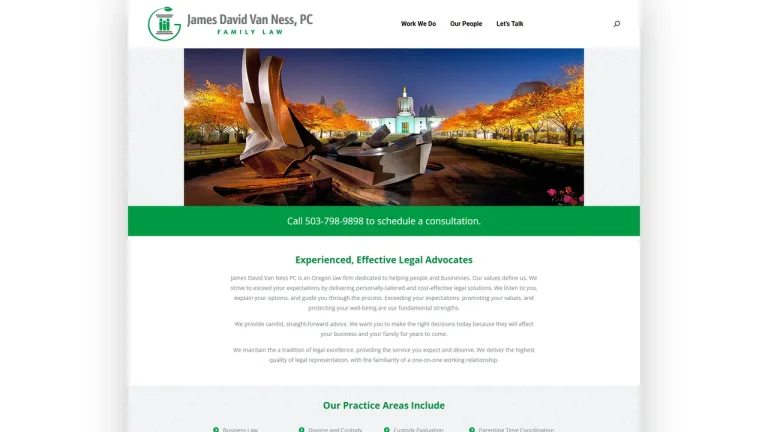
James David Van Ness PC - Salem, OR
Commercial Dispute Resolution Across Oregon Circuit Courts
Commercial litigation in Oregon requires strategic trial experience, in-depth understanding of state statutory frameworks, and familiarity with regional economic hubs. From technology firms and clean-energy ventures in Washington County's Silicon Forest to shipping logistics, manufacturing, and retail enterprises throughout Multnomah, Clackamas, Lane, and Marion counties, corporate disputes demand proactive legal intervention.
Business litigation matters fall under the jurisdiction of Oregon Circuit Courts, such as the Multnomah County Circuit Court in Portland, the Washington County Circuit Court in Hillsboro, and the Lane County Circuit Court in Eugene. Many complex commercial actions are assigned to specialized judicial dockets designed to handle intensive document discovery, electronic motion practice through the Oregon Judicial Department (OJD) eFiling system, and protracted evidentiary hearings.
Engaging a business litigator admitted to the Oregon State Bar provides critical advantages when managing contentious disputes. Experienced counsel evaluates claims under Oregon corporate governance statutes, conducts pre-litigation risk assessments, asserts statutory counterclaims, and negotiates assertively through alternative dispute resolution (ADR) to protect corporate balance sheets and minimize public trial exposure.
Business Litigation Fee Structures and Financial Commitments
| Case Scenario | Fee Structure | Estimated Cost (USD) | Key Cost Determinants |
|---|---|---|---|
| Pre-Suit Commercial Dispute Negotiation & Mediation | Hourly / Flat Retainer | $3,500 - $8,000 or $300 - $550 per hour | Document volume, willingness to mediate, and complexity of underlying contract terms. |
| Breach of Contract Circuit Court Litigation | Hourly Litigation Rate | $350 - $650 per hour ($15,000 - $60,000+ total) | Extensive electronic discovery, motion practice, depositions, and pretrial evidentiary motions. |
| Shareholder Oppression & Partnership Dissolution | Hourly Retainer | $400 - $700 per hour ($25,000 - $100,000+ total) | Forensic accounting audits, enterprise valuation disputes, and receivership motions. |
| Emergency Temporary Restraining Order (TRO) & Injunction | Expedited Hourly Retainer | $10,000 - $35,000 initial retainer | Urgency of asset preservation, forensic computer analysis, and preliminary injunction hearings. |
Critical Legal Deadlines & Statutes in Oregon
Commercial litigators and corporate parties in Oregon must strictly observe state statutory limitation periods. Under Or. Rev. Stat. § 12.080(1), the statute of limitations for actions upon a contract or liability, express or implied, is six years from the date of the breach. For business torts involving intentional misrepresentation, commercial fraud, or corporate deceit, Or. Rev. Stat. § 12.110(1) imposes a strict two-year limitation period from the date the fraud was discovered or reasonably should have been discovered.
Misappropriation of proprietary information is governed by the Oregon Uniform Trade Secrets Act under Or. Rev. Stat. § 646.465, which mandates that an action must be commenced within three years after the misappropriation is discovered or should have been discovered through reasonable diligence. Disputes involving non-competition agreements are governed by Or. Rev. Stat. § 653.295, which strictly limits post-employment non-compete periods to twelve months and imposes precise advance written notice and annual salary threshold requirements for enforceability.
Shareholder disputes in closely held corporations operate under specific statutory safeguards. Minority shareholders subjected to unfair or oppressive conduct by controlling directors may seek equitable remedies or judicial dissolution under Or. Rev. Stat. § 60.662, while formal derivative actions must satisfy procedural demand prerequisites set forth in Or. Rev. Stat. § 60.261. In contract litigation, parties must also review Or. Rev. Stat. § 20.096, which makes unilateral attorney fee clauses reciprocal, allowing a prevailing defendant to recover statutory legal fees even if the written agreement initially awarded fees only to the drafting party.
Small Claims Limits vs. Professional Representation in Oregon
Under Or. Rev. Stat. § 46.405, Small Claims Departments in Oregon Circuit Courts have a monetary jurisdictional cap of $10,000. These forums provide simplified dispute resolution for minor financial disagreements, unpaid vendor invoices, or small equipment repair balances. However, under Or. Rev. Stat. § 46.415, attorneys are generally excluded from representing parties in small claims hearings unless granted express authorization by the presiding judge.
Commercial business litigation rarely fits within the confines of Small Claims Court. Small claims judges cannot issue preliminary injunctions, enforce non-solicitation covenants, order corporate asset freezes, or grant forensic accounting decrees. Furthermore, complex business disputes routinely involve damages far exceeding the $10,000 threshold. Attempting to pursue or defend corporate litigation without counsel risks devastating default judgments or the inadvertent waiver of vital counterclaims. Retaining a dedicated Oregon commercial litigation lawyer ensures that formal pleadings, electronic discovery requests, and protective orders are properly executed in Circuit Court to safeguard enterprise interests.
Red Flags to Avoid When Hiring Business Litigation Legal Counsel
- Failure to Evaluate Reciprocal Attorney Fee Exposure: Under Or. Rev. Stat. § 20.096, losing a contract lawsuit can trigger liability for the opposing party's entire legal bill; attorneys who do not conduct a rigorous fee-shifting risk assessment before filing put your capital in jeopardy.
- Lack of Circuit Court Commercial Experience: General practice attorneys unfamiliar with Oregon complex litigation dockets or OJD eCourt procedures may struggle with technical commercial discovery deadlines and dispositive motion practice.
- Unwillingness to Pursue Pre-Trial Dispute Resolution: High-quality litigators prioritize mediation and structured settlement talks early in the proceedings rather than churning billable hours on protracted motions when an advantageous out-of-court resolution is achievable.
- Ignoring Non-Compete Statutory Thresholds: In employment or trade secret disputes, lawyers unfamiliar with the strict notice and income limits of Or. Rev. Stat. § 653.295 can expose your company to statutory attorney fee awards for pursuing unenforceable covenants.
Frequently Asked Questions
What is the statute of limitations for breach of contract in Oregon?
Under Or. Rev. Stat. § 12.080(1), a plaintiff has six years from the date of the alleged breach to initiate a lawsuit on a written or oral contract in Oregon Circuit Court.
Can a prevailing party recover attorney fees in Oregon business litigation?
Yes, if the underlying contract contains an attorney fee provision. Pursuant to Or. Rev. Stat. § 20.096, contractual attorney fee provisions are reciprocal by law, meaning whichever party prevails is entitled to reasonable fees.
How are non-compete agreements enforced under Oregon law?
Non-competition agreements are governed by Or. Rev. Stat. § 653.295, which mandates a maximum post-employment duration of twelve months, strict pre-employment written notice requirements, and minimum statutory salary thresholds for the covenant to remain enforceable.
What remedies are available to oppressed minority shareholders in Oregon?
Under Or. Rev. Stat. § 60.662, minority owners subjected to oppressive, fraudulent, or illegal conduct by controlling managers can petition the Circuit Court for equitable relief, including court-supervised share buyouts, appointment of a receiver, or judicial dissolution.
Can business disputes be handled in Oregon Small Claims Court?
Only claims seeking $10,000 or less can be filed under Or. Rev. Stat. § 46.405. However, small claims courts cannot grant injunctive relief, compel document production, or resolve corporate governance disputes, requiring filing in the regular civil division of Circuit Court.