
Financial & IP Lawyers in Salem
Retaining a dedicated financial and intellectual property lawyer in Salem safeguards your commercial capital, brand identity, and proprietary business assets. Experienced counsel helps secure state and federal trademark registrations, structure commercial financing, and resolve debt disputes out of court. Explore our directory below to partner with leading Marion County financial and IP attorneys.

AAA Bankruptcy Center - Salem, OR
Shlesinger & deVilleneuve Attorneys, P.C. - Salem, OR
Rank & Karnes Law, P.C. - Salem, OR

Pacific Cascade Legal - Salem, OR

Caldwell Law PC - Salem, OR

Freeman Green Law Salem, OR
Ghiorso Law Firm - Salem, OR
OlsenDaines - Salem, OR

Law Office of Mark Coleman - Salem, OR

Jamieson Law Firm - Salem, OR
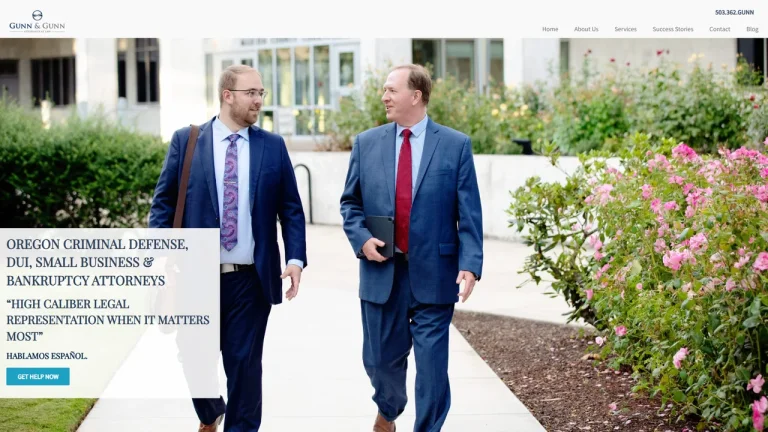
Gunn and Gunn P.C. - Salem, OR
Schwabe Williamson & Wyatt - Salem, OR

Law Offices of Rodolfo Camacho - Salem, OR

Northwest Debt Relief Law Firm - Salem, OR
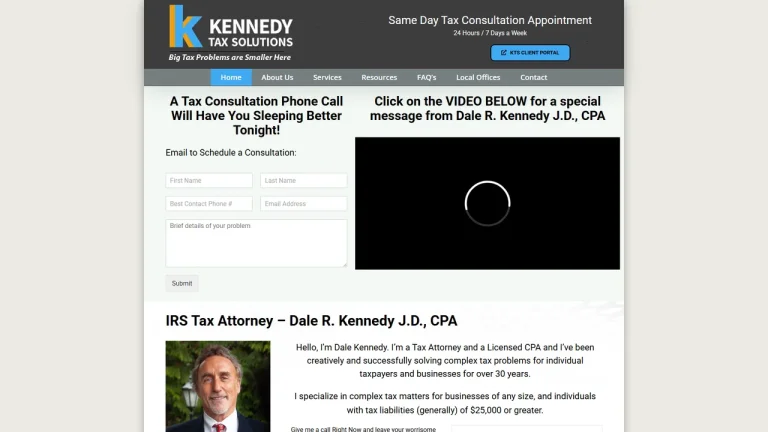
Dale R. Kennedy, PC - Salem, OR
George E. Price, Attorney at Law Salem, OR

Oregon Law Center - Salem, OR

Kevin D Swartz Bankruptcy Attorney - Salem, OR
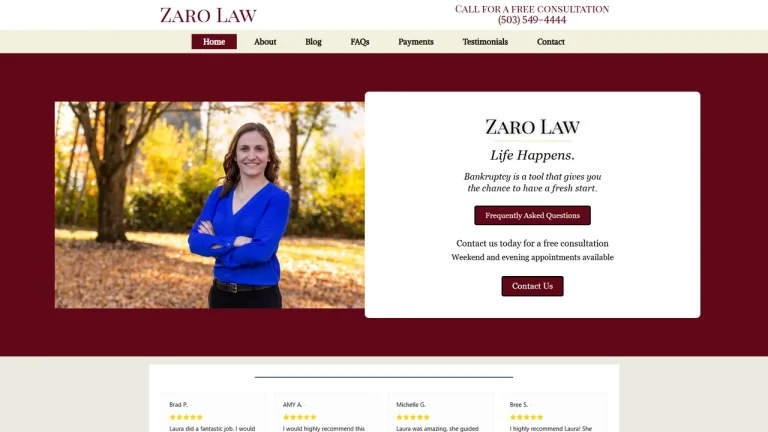
Zaro Law - Salem, OR

Law Office of Corey B. Smith - Salem, OR
Todd S. Hammond, P.C. - Salem, OR
Saalfeld Griggs PC, Salem, OR
Legal Aid Services of Oregon - Salem, OR

Financial & Intellectual Property Jurisdictions in Salem
Operating a business in Salem requires careful management of commercial capital and vigorous protection of proprietary assets. Financial restructuring, commercial lending, and intellectual property (IP) disputes in the Mid-Willamette Valley span several distinct judicial and administrative bodies. In Salem, state-level commercial debt recoveries, Uniform Commercial Code (UCC) enforcement, and trade secret actions are litigated in the Marion County Circuit Court at 100 High Street NE. Federal patent and copyright disputes and bankruptcy petitions fall under the exclusive purview of the U.S. District Court for the District of Oregon and the U.S. Bankruptcy Court for the District of Oregon.
As Oregon's state capital, Salem is home to the Oregon Secretary of State Corporation Division, which administers statewide trademark and service mark registrations under ORS 647.015. Protecting regional brands-such as Willamette Valley wineries, agricultural technology developers, state contractors, and manufacturing operations across Salem and Keizer-demands dual coordination between state trademark filings and federal trademark registrations through the U.S. Patent and Trademark Office (USPTO).
On the financial front, distressed businesses and consumers navigating debt workouts or insolvency proceed under the federal Bankruptcy Code. Because Oregon is an 'opt-out' state for bankruptcy exemptions, debtors must apply Oregon's statutory exemptions rather than federal exemptions. Working with an experienced Salem financial and IP lawyer ensures that collateral interests are perfected under UCC Article 9, trade secrets remain secure against departing employees, and debt restructurings preserve maximum asset value.
Legal Fee Structures for Financial & IP Matters in Salem
Legal arrangements for intellectual property and financial representation depend on whether the matter involves transactional registrations, debtor-creditor workouts, or federal litigation. The table below outlines customary billing models in the Salem metropolitan area.
| Case Scenario | Fee Structure | Estimated Cost (USD) | Key Cost Determinants |
|---|---|---|---|
| Trademark Clearance Search & Federal / State Registration | Flat Fee ($1,200 - $3,000) | $1,200 - $3,000 | Number of USPTO trademark classes, comprehensive common law clearance searches, office action responses. |
| Commercial Credit Agreements & UCC-1 Security Perfection | Hourly Rate ($275 - $500/hr) | $2,000 - $5,500 | Collateral classification, personal guaranty terms, subordination agreements, Secretary of State UCC filings. |
| Chapter 7 Consumer or Small Business Liquidation | Flat Fee ($1,500 - $3,500) | $1,500 - $3,500 | Means test complexity under 11 U.S.C. 707, non-exempt asset volume, creditor meeting representation. |
| Trade Secret Misappropriation / IP Infringement Litigation | Hourly Retainer ($325 - $600/hr) | $10,000 - $35,000+ | Temporary restraining orders (TROs), forensic computer analysis, damages calculation, preliminary injunctions. |
Critical Legal Deadlines & Statutes in Oregon
Financial and intellectual property matters are bounded by rigid statutory clocks. In intellectual property litigation, trade secret misappropriation claims are governed by the Oregon Uniform Trade Secrets Act (OUTSA) under ORS 646.461 through ORS 646.475. Pursuant to ORS 646.471, an action for misappropriation must be brought within three years after the misappropriation is discovered or, through the exercise of reasonable diligence, should have been discovered. Federal copyright infringement actions carry a three-year limitation under 17 U.S. Code § 507(b), while trademark actions proceed under the Lanham Act via 15 U.S. Code § 1051 et seq.
For commercial loans and secured financing, security interests in personal property collateral are perfected by filing a UCC-1 financing statement with the Oregon Secretary of State under ORS 79.0310; a UCC filing remains effective for five years and lapses unless a continuation statement is recorded within six months before expiration pursuant to ORS 79.0515. In insolvency matters, filing a bankruptcy petition triggers the immediate automatic stay under 11 U.S. Code § 362, halting all foreclosure and collection actions. Under ORS 18.345 and Oregon's homestead exemption codified at ORS 18.395, debtors can protect specified amounts of home equity and personal property against creditor execution.
Small Claims Limitations vs. Circuit & Federal IP/Financial Jurisdiction
Oregon's Small Claims Department, capped at $10,000 under ORS 55.011, is legally precluded from hearing intellectual property, patent, trademark, or bankruptcy claims. Under ORS 55.090, lawyers cannot participate in small claims proceedings without judicial consent.
Federal law establishes exclusive jurisdiction in the U.S. District Court for patent and copyright claims pursuant to 28 U.S. Code § 1338 and exclusive jurisdiction in U.S. Bankruptcy Court for insolvency actions under 28 U.S. Code § 1334. Small claims tribunals cannot enter preliminary injunctions to stop trademark dilution, enforce non-disclosure agreements, or discharge corporate debts. Retaining experienced legal counsel ensures that complex intellectual property assets are secured nationwide and financial liabilities are managed within the appropriate state and federal courts.
Red Flags to Avoid When Selecting a Financial & IP Lawyer
Protecting commercial capital and proprietary technology demands specialized proficiency. Watch for these red flags when consulting practitioners:
- Failing to Account for Oregon's Bankruptcy Opt-Out Status: Oregon does not allow debtors to choose federal bankruptcy exemptions. Counsel who does not utilize Oregon state exemptions under ORS 18.345 and ORS 18.395 risks losing significant client property to a bankruptcy trustee.
- Filing Trademarks Without Comprehensive Clearance Searches: Merely checking the USPTO database without reviewing common law usages, domain registrations, and Oregon state records under ORS 647.015 exposes businesses to costly rebranding lawsuits.
- Handling Patent Prosecution Without USPTO Registration: Only attorneys registered with the USPTO Patent Bar can prosecute patent applications. General corporate attorneys lack legal authority to handle patent prosecution before the patent office.
- Promising Total Debt Erasure Through Non-Attorney Debt Settlement: Businesses and individuals should be wary of unlicensed debt settlement entities that charge heavy upfront fees rather than using legal protections under federal bankruptcy law.
Frequently Asked Questions
What is the difference between an Oregon state trademark and a federal trademark?
An Oregon trademark registered with the Secretary of State under ORS 647.015 provides brand protection exclusively within the state of Oregon. A federal trademark registered through the USPTO under 15 U.S. Code § 1051 provides nationwide priority and protection across all interstate commerce.
How does the Oregon Uniform Trade Secrets Act protect proprietary information?
Under ORS 646.461 through ORS 646.475, OUTSA allows businesses to seek emergency injunctions, actual damages, and punitive damages against parties who unlawfully acquire, disclose, or use proprietary formulas, customer lists, or manufacturing processes that derive economic value from secrecy.
Does Oregon allow federal bankruptcy exemptions?
No. Oregon has 'opted out' of the federal bankruptcy exemptions pursuant to state law. Debtors filing bankruptcy in Oregon must utilize the state exemptions set forth in ORS 18.345 and the homestead exemption under ORS 18.395.
What is the purpose of filing a UCC-1 Financing Statement in Oregon?
Under ORS 79.0310, filing a UCC-1 statement with the Oregon Secretary of State perfects a lender's or seller's security interest in personal property collateral, giving the secured party priority over subsequent creditors or bankruptcy trustees.
How does the automatic stay operate when filing for bankruptcy in Salem?
Under 11 U.S. Code § 362, filing a bankruptcy petition triggers an immediate, nationwide injunction that halts all active collection lawsuits, wage garnishments, foreclosure auctions, and creditor calls during the insolvency proceeding.