
Financial & IP Lawyers in Pennsylvania
Partnering with experienced financial and IP lawyers in Pennsylvania safeguards intellectual assets, structures commercial transactions, and ensures regulatory compliance. Seasoned legal counsel frequently resolves intricate commercial conflicts through out-of-court dispute resolution, protecting enterprise value. Browse our directory below to retain top-rated finance and intellectual property litigators across the Commonwealth.

Cohen Seglias Pallas Greenhall & Furman PC - Harrisburg, PA

Stevens & Lee - Philadelphia, PA
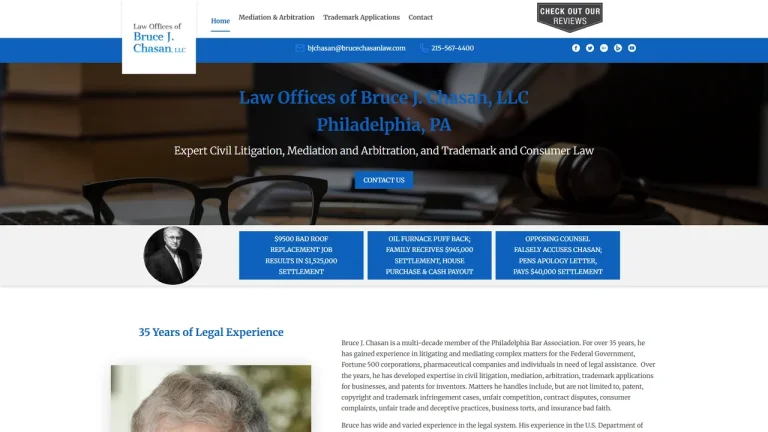
Law Offices of Bruce J. Chasan, LLC. - Philadelphia, PA
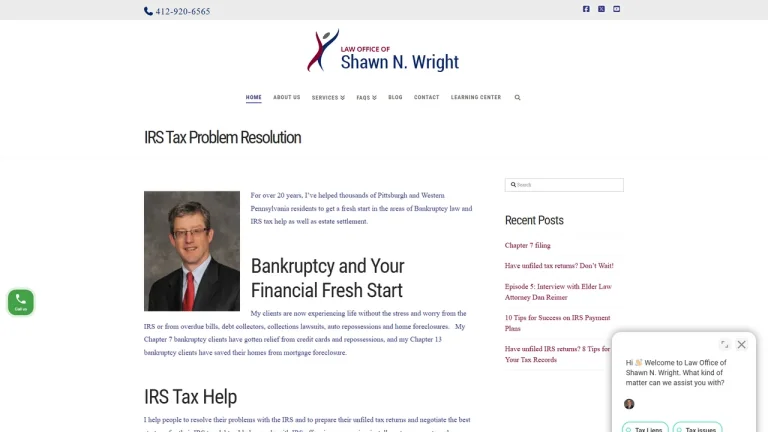
Law Office of Shawn N. Wright - Pittsburgh, PA
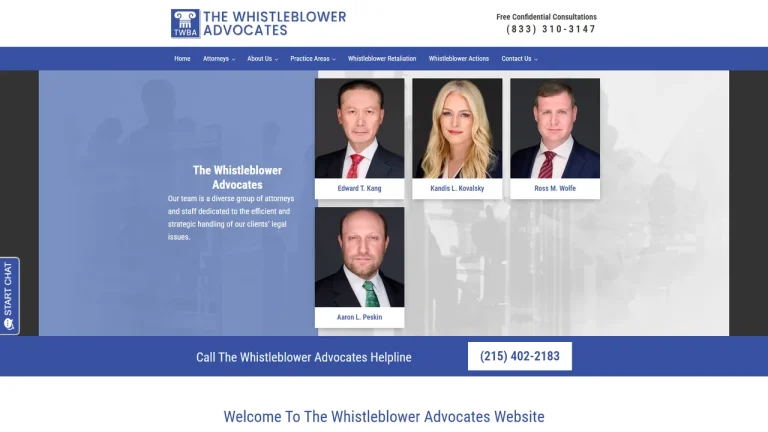
Philadelphia Whistleblower Lawyers, The Whistleblower Advocates - Philadelphia, PA

Troutman Pepper - Philadelphia, PA
Ballard Spahr LLP - Philadelphia, PA

Marsh Spaeder Baur Spaeder & Schaaf LLP - Erie, PA

Law Offices of Templeton Smith - Pittsburgh, PA

Santos Law Group, PC - Allentown, PA

General Counsel Online - Pittsburgh, PA
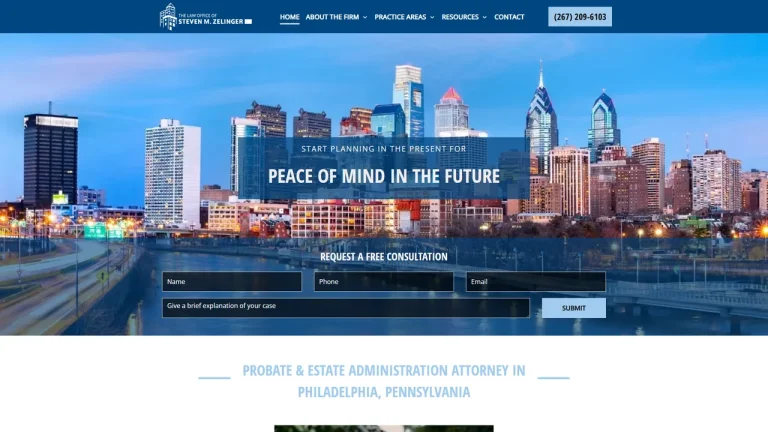
The Law Office of Steven M. Zelinger, LLC - Philadelphia, PA
Hoffman DiMuzio - Philadelphia, PA
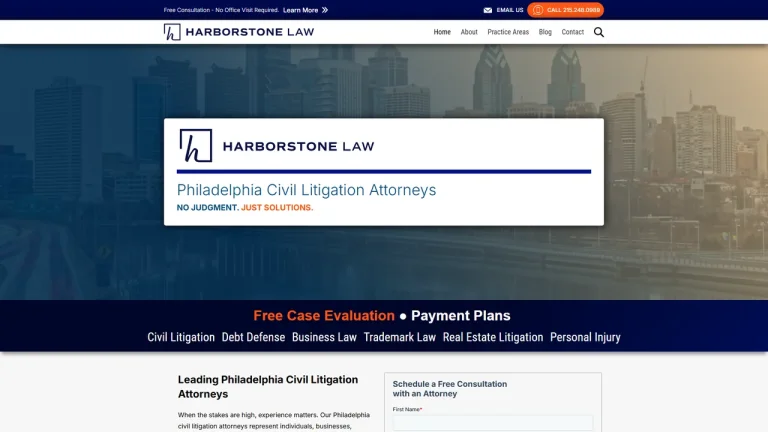
Harborstone Law LLP - Philadelphia, PA

Marc Kranson, Attorney at Law - Allentown, PA

Brown McGarry Nimeroff LLC - Philadelphia, PA
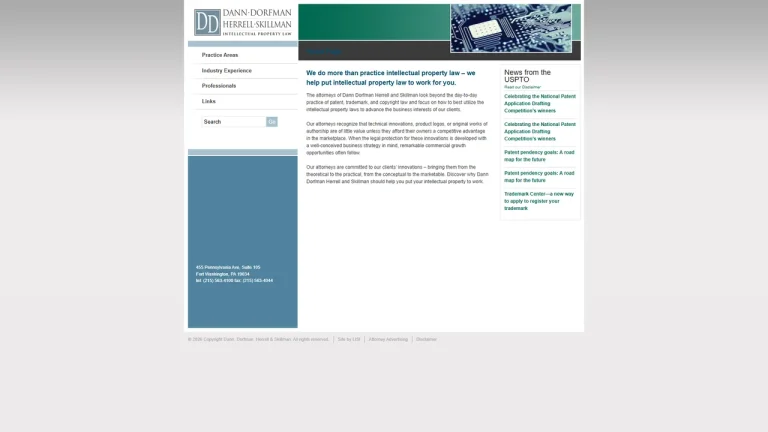
Dann Dorfman Herrell & Skillman, P.C.
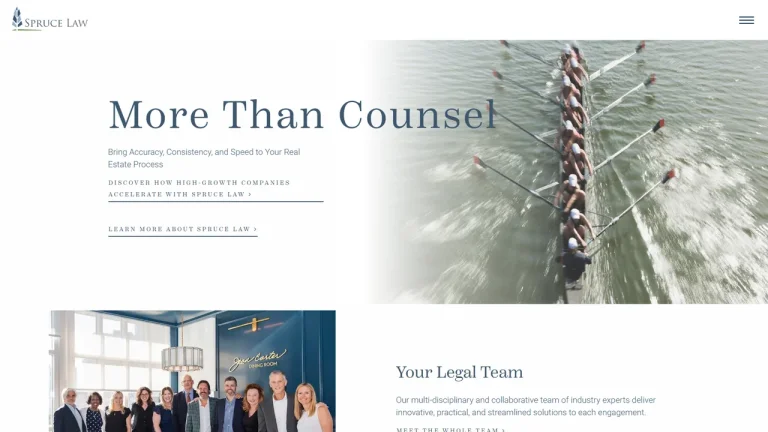
Spruce Law Group LLC - Philadelphia, PA
Lesavoy Butz & Seitz LLC - Allentown, PA

Law Offices of Robert T. Vance, Jr. - Philadelphia, PA

Gregory F. Cirillo - Philadelphia, PA

Life Insurance Law - Philadelphia, PA
Law Offices of Lloyd Z. Remick - Philadelphia, PA

Pennsylvania Financial Regulations & Intellectual Property Venues
The convergence of financial transactions and intellectual property forms the commercial foundation of the Commonwealth of Pennsylvania. From Philadelphia's expanding cell-and-gene therapy cluster and financial technology incubators to Pittsburgh's artificial intelligence and advanced manufacturing corridors, safeguarding capital and proprietary assets demands sophisticated legal representation.
State banking, securities, and lending regulations are governed by the Pennsylvania Department of Banking and Securities (DoBS) headquartered in Harrisburg. Business entities, commercial lien registries, and Uniform Commercial Code (UCC) financing statements are administered by the Pennsylvania Department of State. When corporate governance disputes, shareholder derivative suits, or breach of fiduciary duty claims arise, they are adjudicated in county Courts of Common Pleas (frequently within the Commerce Program of the Philadelphia Court of Common Pleas).
Intellectual property matters involving patents, federal trademarks, and copyrights are governed by federal jurisdiction. Infringement claims, trade secret theft actions, and antitrust challenges are vigorously litigated within the U.S. District Court for the Eastern District of Pennsylvania (Philadelphia), the Middle District (Harrisburg/Scranton), and the Western District (Pittsburgh), under the appellate authority of the Third Circuit Court of Appeals.
Financial & IP Practice Structures and Typical Fee Models
| Case Scenario | Fee Structure | Estimated Cost (USD) | Key Cost Determinants |
|---|---|---|---|
| Federal Trademark Registration & Clearance | Flat Legal Fee | $1,500 to $3,500 | Number of classes, comprehensive common-law search, USPTO office action complexity |
| Patent Drafting & Prosecution | Staged Flat Fee / Hourly | $7,000 to $15,000 | Technical complexity, prior art volume, biomedical vs. software engineering claims |
| Trade Secret Litigation & Injunctions | Hourly Rate / Hybrid | $450 to $850 per hour | Emergency preliminary injunction filings, forensic digital discovery, expert witness testimony |
| Private Placement & State Securities Compliance | Project Retainer | $5,000 to $20,000 | Regulation D exemption structuring, DoBS filing notices, investor subscription documents |
Critical Legal Deadlines & Statutes in Pennsylvania
Navigating commercial and intellectual property transactions in Pennsylvania requires meticulous attention to statutory filing deadlines. Under the Pennsylvania Uniform Trade Secrets Act (PUTSA), an action for trade secret misappropriation must be commenced within three years after the misappropriation is discovered or reasonably should have been discovered pursuant to 12 Pa. C.S. § 5307.
Securities litigation across the Commonwealth is anchored by the Pennsylvania Securities Act of 1972. Private civil enforcement actions seeking rescission or damages for fraudulent securities transactions must be brought within two years from discovery of the violation or within five years from the act, whichever expires first, under 70 P.S. § 1-504(a).
Commercial contract breaches, commercial paper disputes, and secured transaction defaults are governed by the Pennsylvania Uniform Commercial Code, which enforces a four-year statute of limitations under 13 Pa. C.S. § 2725. In federal patent matters, recovery of past monetary damages is restricted to infringements occurring within six years prior to filing the complaint under 35 U.S. Code § 286, while copyright claims are limited to three years under 17 U.S. Code § 507(b).
Administrative Agency Filings vs. Specialized Federal Representation
Certain administrative corporate formalities in Pennsylvania can be managed directly by business principals. Registering an LLC, renewing a fictitious name, or submitting initial UCC financing statements can be executed online through the Pennsylvania Department of State portal without retaining high-level counsel.
Conversely, protecting proprietary technology, structuring complex debt financing, or defending against infringement demands elite legal practitioners. Patent preparation requires attorneys admitted directly to the Patent Bar of the United States Patent and Trademark Office under federal administrative rules. Furthermore, trademark opposition proceedings before the Trademark Trial and Appeal Board (TTAB) and high-stakes trade secret injunctions in the Federal District Courts require counsel skilled in protective orders, source code escrow, and complex commercial discovery.
Red Flags to Avoid When Selecting Financial & IP Attorneys
- Patent practitioners who lack registration before the United States Patent and Trademark Office (USPTO) Patent Bar.
- General practice attorneys offering bargain, cut-and-paste Private Placement Memorandums (PPMs) without understanding Pennsylvania Department of Banking and Securities regulations.
- Firms that fail to run stringent intellectual property conflicts of interest checks across competitive technology firms and startup portfolios in Pennsylvania.
- Counsel promising guaranteed trademark or patent issuances before conducting comprehensive prior art and clearance searches.
Frequently Asked Questions
What is the difference between a Pennsylvania state trademark and a federal trademark?
A Pennsylvania state trademark registered with the Department of State provides constructive notice and protection only within the Commonwealth. A federal trademark registered with the USPTO establishes nationwide priority, protection across all interstate commerce, and access to federal district courts.
How does the Pennsylvania Uniform Trade Secrets Act protect commercial assets?
Under PUTSA, businesses can obtain emergency preliminary injunctions, recover compensatory damages and lost profits, and seek punitive damages and attorney fees if an employee or competitor willfully misappropriates protected trade secrets.
What agency regulates capital raising and private securities offerings in Pennsylvania?
The Pennsylvania Department of Banking and Securities (DoBS) regulates securities offerings within the Commonwealth under the Pennsylvania Securities Act of 1972, requiring notice filings or formal exemptions even when complying with federal Regulation D.
Can intellectual property assets be pledged as collateral for commercial loans in Pennsylvania?
Yes, intellectual property such as patents, trademarks, and copyrights can serve as loan collateral. Lenders secure their interests by recording security agreements with the Pennsylvania Department of State under the UCC and filing security notices with the USPTO or U.S. Copyright Office.
Where are major patent infringement lawsuits filed in Pennsylvania?
Patent litigation must be filed in federal district court. In Pennsylvania, cases are initiated in the Eastern District (Philadelphia), Middle District (Harrisburg), or Western District (Pittsburgh), depending on defendant residency or where infringing activities occurred.