
Violent Crime Defense Lawyers in Philadelphia
Facing violent crime allegations in Philadelphia requires immediate, strategic defense to safeguard your constitutional rights under Pennsylvania law. Experienced criminal defense counsel can evaluate the prosecution evidence, challenge unlawful searches, and advocate for dismissed or reduced charges before trial. Explore our verified Philadelphia directory below to connect with qualified defense attorneys.

The Law Office of David M. Walker - Philadelphia, PA
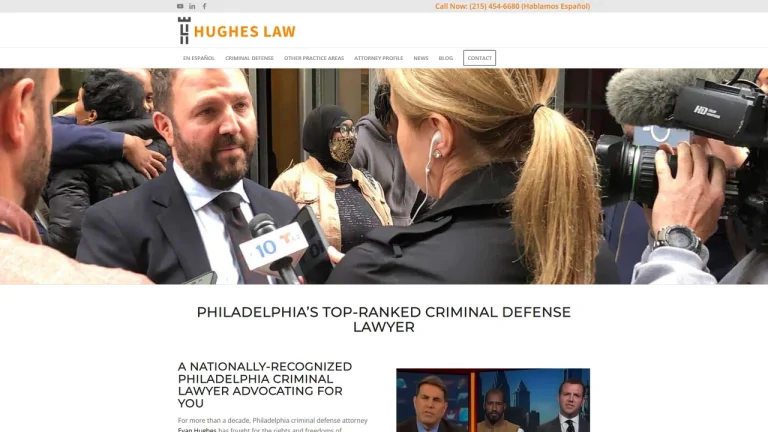
Hughes Law LLC - Philadelphia, PA

The Law Office of Mark D. Hauser - Philadelphia, PA

Kenny, Burns & McGill - Philadelphia, PA

The Law Offices of Lloyd Long - Philadelphia, PA
The Town Law LLC - Philadelphia, PA

Peter J. Scuderi, Esq - Philadelphia, PA - Philadelphia, PA

Roach Law, LLC
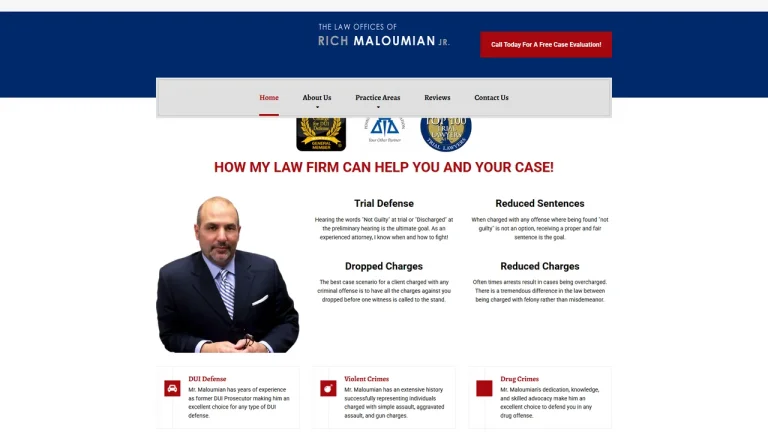
Law Offices of Richard Maloumian - Philadelphia, PA

Law Office of John M. Walsh, PC - Philadelphia, PA
Granovsky Law Offices, P.C. - Philadelphia, PA

Attorney Joe Mitchell - Philadelphia, PA

Dennis J. Cogan & Associates - Philadelphia, PA
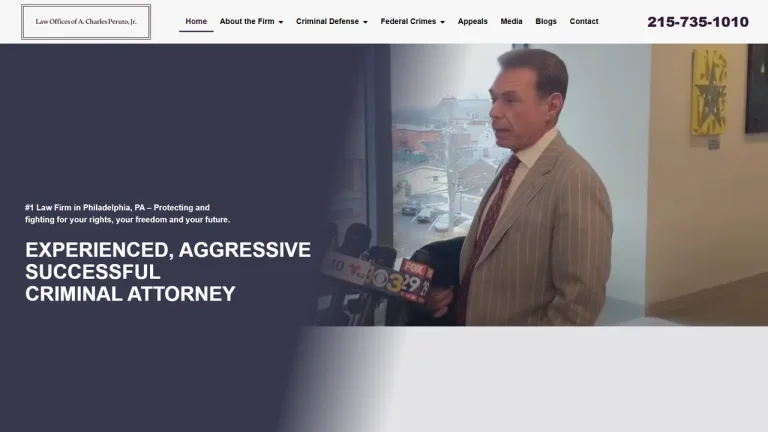
A. Charles Peruto Jr., Esquire - Philadelphia, PA

Law Offices of Shaka Johnson, LLC - Philadelphia, PA

Law Offices of Richard Sparaco - Philadelphia, PA

Parkinson, Tarpey Law - Philadelphia, PA

Andrew Gay, Jr. - Criminal Defense | Personal Injury - Philadelphia, PA
A Lee Cameron, LLC - Philadelphia, PA

Lorusso Vincent M - Philadelphia, PA

The Minsky Law Firm - Philadelphia, PA

The Law Offices of Gerald A. Stein - Philadelphia, PA

Thompson Law Advocates, P.C. - Philadelphia, PA

Philadelphia Violent Crime Defense and Court Jurisdiction
Facing violent criminal allegations within the First Judicial District of Pennsylvania places a defendant directly against the focused resources of the Philadelphia District Attorney Office. In Philadelphia County, all adult felony violent crime matters are adjudicated through the Juanita Kidd Stout Center for Criminal Justice, located at 1301 Filbert Street in Center City. From the moment charges are approved, early procedural steps dictate whether an accused individual remains incarcerated or secures pretrial release.
Initial preliminary arraignments take place before Philadelphia Municipal Court bail commissioners, operating continuous shifts to handle arrests originating from Center City, North Philadelphia, South Philadelphia, West Philadelphia, and Northeast Philadelphia. Individuals taken into custody by the Philadelphia Police Department are processed at regional police divisions before being transferred to county detention facilities managed by the Philadelphia Department of Prisons, primarily the Curran-Fromhold Correctional Facility or Riverside Correctional Facility.
Securing private criminal defense counsel before preliminary hearings provides an essential safeguard against overcharging. A seasoned Philadelphia defense attorney conducts independent witness interviews, secures time-sensitive surveillance footage from private establishments, scrutinizes forensic ballistic reports, and challenges warrantless arrests. Early intervention allows counsel to argue for bond modifications, petition for bail reductions, and seek evidentiary exclusions before the case proceeds to the Court of Common Pleas Trial Division.
Legal Fee Structures for Violent Crime Defense in Philadelphia
| Case Scenario | Fee Structure | Estimated Cost (USD) | Key Cost Determinants |
|---|---|---|---|
| Simple Assault & Weapons Misdemeanors | Flat Retainer | $3,500 - $7,500 | Number of civilian witnesses, Municipal Court preliminary hearing scope, diversion eligibility. |
| Felony Aggravated Assault & Robbery | Staged Milestone Retainer | $8,500 - $22,000 | Gun enhancement minimums, video surveillance discovery volume, pre-trial suppression motions. |
| Attempted Murder & Major Felonies | Comprehensive Trial Retainer | $25,000 - $65,000+ | Independent forensic pathologists, ballistics experts, extensive multi-week jury trial litigation. |
| Emergency Bail Hearings & Early Motions | Flat Appearance Fee | $1,500 - $4,000 | Urgency of filing at 1301 Filbert Street, flight risk mitigation, Common Pleas judge assignment. |
Critical Legal Deadlines & Statutes in Pennsylvania
Pennsylvania statutes enforce rigid procedural timelines that govern how violent offenses are prosecuted and brought to trial. Under 42 Pa. C.S. § 5552, there is no statute of limitations for major homicide offenses, while felony violent offenses such as aggravated assault under 18 Pa. C.S. § 2702 and robbery under 18 Pa. C.S. § 3701 maintain a five-year statutory limitation period. Any delay past statutory bounds provides grounds for permanent case dismissal.
Criminal defendants in Philadelphia are safeguarded by Pennsylvania prompt trial requirements under Pa. R. Crim. P. 600. This rule mandates that the Commonwealth bring an incarcerated defendant to trial within 180 days from the filing of the criminal complaint, or within 365 days if the defendant is released on bail, excluding defense-requested continuances. Failure of the prosecution to exercise due diligence within these strict windows warrants a defense motion for immediate dismissal with prejudice.
Furthermore, preliminary hearings must be scheduled within 14 days following preliminary arraignment if the accused is held in custody pursuant to Pa. R. Crim. P. 540. Because the Commonwealth must establish a prima facie case at this juncture, timely representation is crucial to cross-examine state witnesses before testimony becomes entrenched in the official record.
Preliminary Arraignment Representation vs. Pro Se Defense
Handling violent crime allegations without legal counsel at the Juanita Kidd Stout Center for Criminal Justice exposes a defendant to catastrophic legal outcomes. Felony convictions in Pennsylvania trigger lengthy mandatory state prison sentences under statutory guidelines, accompanied by permanent criminal records and the forfeiture of civil rights. While defendants have the theoretical right to represent themselves, the intricacies of the Pennsylvania Rules of Criminal Procedure make self-representation an overwhelming liability.
Early stages such as bail determinations set the foundation for the entire case. Waiting for a court-appointed public defender during preliminary stages can result in prolonged detention at the Curran-Fromhold Correctional Facility due to unaddressed bail guidelines. A privately retained defense lawyer presents community ties, verified employment records, and supervised bail alternatives immediately, securing client liberty so that the defense can be prepared outside of a detention cell.
Red Flags When Hiring a Philadelphia Defense Attorney
- Guaranteed Acquittals: Any lawyer promising a complete dismissal or guaranteed not-guilty verdict violates the Pennsylvania Rules of Professional Conduct and disregards judicial discretion.
- Lack of Stout Center Experience: Avoid practitioners whose practices are primarily civil or who lack extensive trial experience inside the Juanita Kidd Stout Center for Criminal Justice at 1301 Filbert Street.
- Vague Retainer Agreements: Steer clear of agreements that fail to clearly distinguish preliminary hearing fees from full Common Pleas jury trial representation and necessary forensic expert costs.
- Pressure to Plead Early: Be cautious of counsel who encourages an immediate guilty plea before reviewing all police reports, CAD 911 dispatch audio, and body-worn camera footage.
Frequently Asked Questions
Where are violent crime cases heard in Philadelphia?
Adult violent felony cases in Philadelphia County are adjudicated in the First Judicial District at the Juanita Kidd Stout Center for Criminal Justice, situated at 1301 Filbert Street in Center City. Preliminary arraignments and initial Municipal Court preliminary hearings take place on the lower floors, while felony jury trials proceed in the Court of Common Pleas courtrooms.
What is Rule 600 under Pennsylvania criminal procedure?
Rule 600 of the Pennsylvania Rules of Criminal Procedure enforces the constitutional right to a speedy trial. Incarcerated individuals must be brought to trial within 180 days of the criminal complaint, while released individuals must go to trial within 365 days, minus delays attributable to the defense or unavoidable judicial backlogs.
Can felony violent crime charges be reduced before trial in Philadelphia?
Yes. During the preliminary hearing at the Municipal Court level, a defense attorney can challenge whether the Commonwealth established a prima facie case for specific felony elements, which frequently leads to the reduction of charges like aggravated assault down to simple assault, or the full dismissal of firearm enhancements.
How is bail determined for violent crimes in Philadelphia County?
Bail determinations are made by Philadelphia Municipal Court bail commissioners during preliminary arraignment. The commissioner considers the severity of the charge, prior criminal convictions, flight risk, and public safety. Defense counsel can present mitigating factors to secure unsecured bail, nominal bail, or enrollment in the Philadelphia Pretrial Services supervision program.
How does an attorney challenge eyewitness identification evidence?
A defense lawyer files pretrial motions to suppress identification evidence when police photo arrays or lineup procedures were impermissibly suggestive. Counsel cross-examines eyewitnesses on visibility limitations, lighting conditions, stress levels, and discrepancies between original descriptions and the defendant physical appearance.