
Trademark Lawyers in Pennsylvania
Engaging a knowledgeable Pennsylvania trademark lawyer ensures your brand names, logos, and commercial slogans are fully protected across state and national markets. Qualified intellectual property counsel conducts rigorous clearance searches, navigates USPTO registration, and enforces brand assets against infringement before costly litigation occurs. Review our statewide directory below to consult with top-rated Pennsylvania trademark attorneys.

Motheral Jones Law - Pittsburgh, PA

Spilman Thomas & Battle, PLLC - Pittsburgh, PA
Elliott & Davis, PC - Pittsburgh, PA

Shook, Hardy & Bacon L.L.P. - Philadelphia, PA
Obermayer Rebmann Maxwell & Hippel LLP - Harrisburg, PA

Stevens & Lee - Harrisburg, PA
Greenberg Traurig, LLP - Philadelphia, PA

Hogan Lovells - Philadelphia, PA
BakerHostetler - Philadelphia, PA
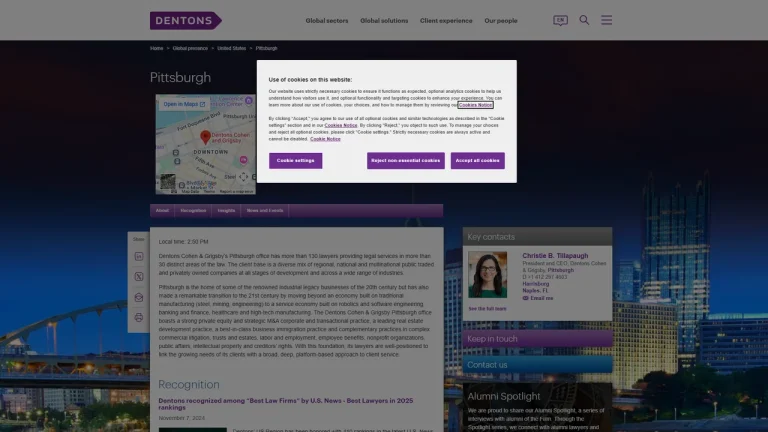
Dentons Cohen & Grigsby - Pittsburgh, PA
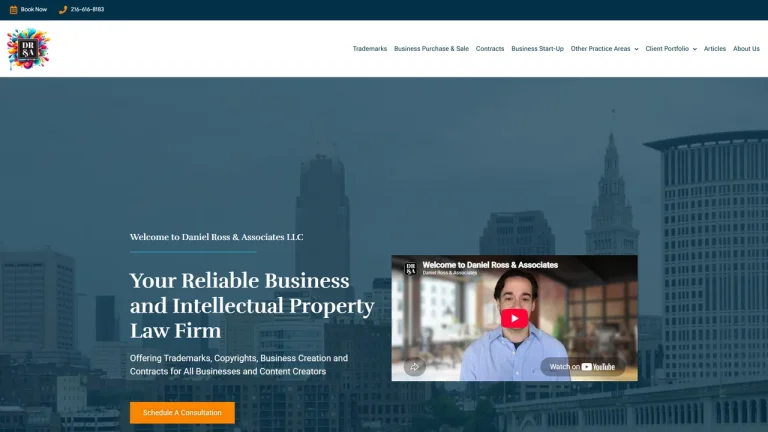
Daniel Ross & Associates LLC - Philadelphia, PA

Fox Rothschild LLP - Philadelphia, PA
Yukevich Marchetti Fischer & Zangrilli, P.C. - Pittsburgh, PA

Riddle Patent Law, LLC - Allentown, PA
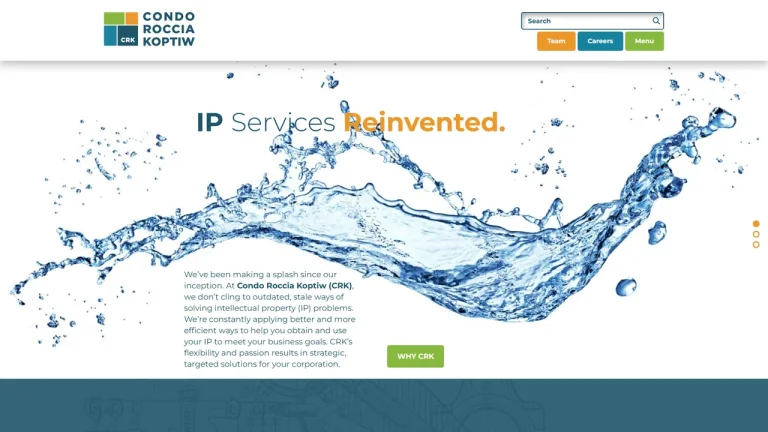
Condo Roccia Koptiw LLP - Philadelphia, PA
Ballard Spahr LLP - Philadelphia, PA

Herron Business Law - Pittsburgh, PA

Saul Ewing LLP - Pittsburgh, PA
Vorys, Sater, Seymour and Pease LLP - Pittsburgh, PA
Riddle Patent Law, LLC - Harrisburg, PA
Buchanan Ingersoll & Rooney PC - Philadelphia, PA

Leech Tishman Fuscaldo & Lampl - Pittsburgh, PA

Panitch Schwarze Belisario & Nadel, LLP - Philadelphia, PA
Protecting Commercial Brands Across the Commonwealth of Pennsylvania
A distinctive brand identity represents a vital asset for businesses in Pennsylvania. From craft breweries and software enterprises in Pittsburgh and Philadelphia to manufacturing and agricultural brands in Lancaster, York, and the Lehigh Valley, safeguarding trademarks is essential to building enduring commercial value.
Pennsylvania trademark attorneys guide commercial enterprises through both state and federal intellectual property frameworks. While state registration through the Pennsylvania Department of State Bureau of Corporations and Charitable Organizations under the Pennsylvania Trademark Act provides regional public record notice, federal registration through the United States Patent and Trademark Office grants nationwide constructive use and exclusive ownership rights.
When brand conflicts arise, seasoned counsel represents owners before the Trademark Trial and Appeal Board in opposition and cancellation proceedings. For trademark infringement, unfair competition, and dilution actions under the federal Lanham Act, litigators prosecute and defend claims in the United States District Courts for the Eastern, Middle, and Western Districts of Pennsylvania.
Legal Fee Structures for Pennsylvania Trademark Services
| Case Scenario | Fee Structure | Estimated Cost (USD) | Key Cost Determinants |
|---|---|---|---|
| Comprehensive Trademark Clearance Search & Analysis | Flat Fee | $600 - $1,800 | Number of classes searched, state and federal registers, common law directories, domain databases, and written risk assessment opinions. |
| Federal USPTO Trademark Application Preparation | Flat Fee + USPTO Fees | $1,200 - $2,800 | Number of international classes, specimen preparation, identification of goods and services drafting, and intent-to-use versus use-in-commerce filings. |
| Substantive Office Action Response & Argument | Hourly or Flat Fee | $1,000 - $3,500 | Overcoming Section 2(d) likelihood of confusion or Section 2(e) descriptiveness refusals, and conducting Examiner interviews. |
| TTAB Opposition, Cancellation & Federal Litigation | Retainer / Hourly ($325 - $600/hr) | $5,000 - $25,000+ | Filing notices of opposition, evidentiary discovery, cease-and-desist enforcement, and federal Lanham Act preliminary injunction hearings. |
Critical Legal Deadlines & Statutes in Pennsylvania
Trademark prosecution and enforcement follow defined statutory timetables. Under 15 U.S. Code § 1062, applicants must respond to USPTO Office Actions within three months of the issuance date to avoid application abandonment, with an available three-month extension upon payment of an administrative fee.
Following publication of a mark in the Official Gazette, third parties have strictly 30 days under 15 U.S. Code § 1063 to file a Notice of Opposition or request a formal extension of time with the Trademark Trial and Appeal Board.
To maintain a federal registration, the owner must submit a Declaration of Continued Use under 15 U.S. Code § 1058 between the 5th and 6th years following registration, followed by combined renewal filings under 15 U.S. Code § 1059 every 10 years. At the state level, marks registered under the Pennsylvania Trademark Act pursuant to 54 Pa. C.S. § 1111 remain effective for a term of five years from the date of registration under 54 Pa. C.S. § 1114.
Small Claims Limits vs. Professional Trademark Representation
Pennsylvania Magisterial District Courts and the Philadelphia Municipal Court hear small civil disputes up to $12,000. However, small claims courts have no authority to issue preliminary injunctions or adjudicate Lanham Act claims.
Federal trademark infringement and unfair competition claims under 15 U.S. Code § 1114 and 15 U.S. Code § 1125 are litigated in federal district courts across Pennsylvania. Furthermore, business entities including corporations and LLCs must appear through counsel admitted by the Disciplinary Board of the Supreme Court of Pennsylvania.
Filing a trademark application without legal counsel frequently leads to procedural refusals, such as improper classification of goods or rejected specimens of use. Retaining a trademark attorney ensures broad brand protection and provides the legal backing needed to enforce your brand rights against commercial infringers.
Red Flags When Selecting a Pennsylvania Trademark Lawyer
- Omitting Common Law Clearance Searches: Law practices that rely exclusively on cursory federal register checks while failing to evaluate unregistered common law uses, state registries, and corporate entity filings.
- Guaranteed Registration Claims: Firms promising guaranteed trademark approvals, ignoring that USPTO Examining Attorneys hold broad discretion in determining likelihood of confusion and descriptiveness.
- Unmonitored Filing Mills: Online services that submit filings without attorney oversight, leaving business owners unable to navigate substantive Section 2(d) refusal letters.
- Deceptive Invoice Traps: Counsel failing to warn clients about deceptive third-party solicitations demanding payment for fake international trademark directory listings.
Frequently Asked Questions
What is the difference between a Pennsylvania state trademark and a federal trademark?
A Pennsylvania state trademark registered under 54 Pa. C.S. § 1111 protects your mark exclusively within the Commonwealth. A federal trademark registered through the USPTO under the Lanham Act provides nationwide constructive notice, the legal presumption of ownership, and the ability to prevent infringement across all fifty states.
Why is a comprehensive trademark clearance search necessary?
A clearance search identifies existing federal registrations, pending applications, state trademarks, and unregistered common law brands that could trigger a Section 2(d) likelihood of confusion refusal or an infringement lawsuit, preventing costly rebranding expenses.
What does a Section 2(d) Likelihood of Confusion refusal mean?
A Section 2(d) refusal under 15 U.S. Code § 1052 indicates that the USPTO Examining Attorney determined your proposed mark is confusingly similar in sound, appearance, meaning, or commercial impression to an existing registered mark for related goods or services.
How long does a federal trademark registration remain valid?
A federal trademark registration can endure indefinitely as long as the mark remains in continuous commercial use and mandatory post-registration maintenance filings are completed under 15 U.S. Code § 1058 between years 5 and 6, and renewals under 15 U.S. Code § 1059 every 10 years.
Can a trademark attorney help stop unauthorized brand use in Pennsylvania?
Yes, a trademark attorney can issue a formal cease-and-desist letter asserting your rights under federal and Pennsylvania law, negotiate a coexistence agreement, or initiate formal infringement proceedings in the appropriate United States District Court to secure injunctive relief and monetary damages.