
Debt Relief Lawyers in Rhode Island
Retaining a Rhode Island debt relief lawyer protects your wages and assets from aggressive collection actions. Experienced legal counsel guides bankruptcy filings and negotiations to secure long-term financial stability. Explore our verified statewide directory below to schedule a confidential consultation.

HCA Law LLC - Providence, RI
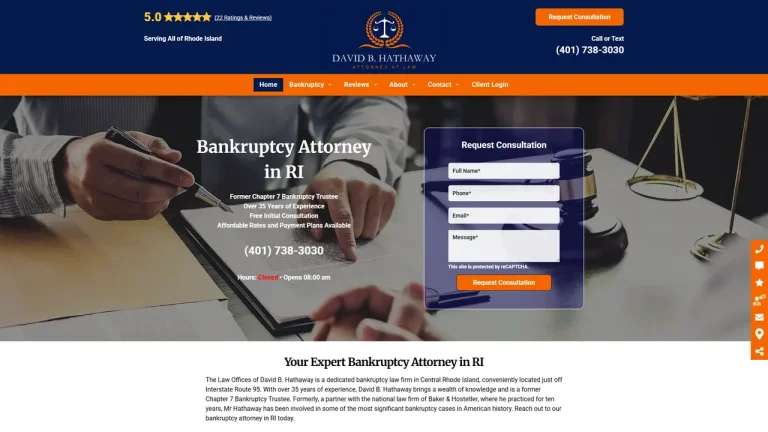
Attorney David B. Hathaway - Warwick, RI

Wallick and Associates - Warwick, RI
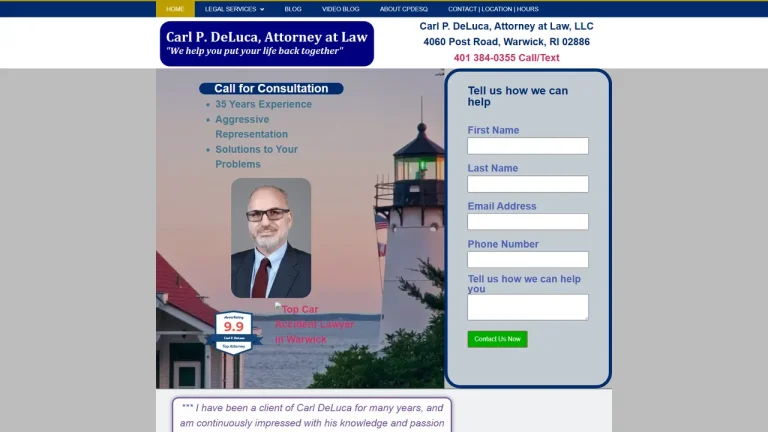
Carl P. DeLuca, Attorney at Law, LLC - Warwick, RI
Michael J Gadoury Law Office - Providence, RI
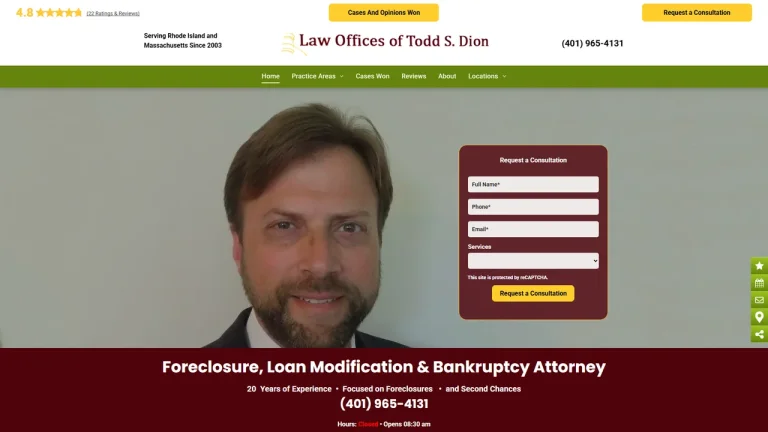
Attorney Todd S. Dion - Providence, RI

Marinosci Law Group, PC - Warwick, RI
Law Office of Neal Steingold - Providence, RI

Heald Law, Ltd - Providence, RI
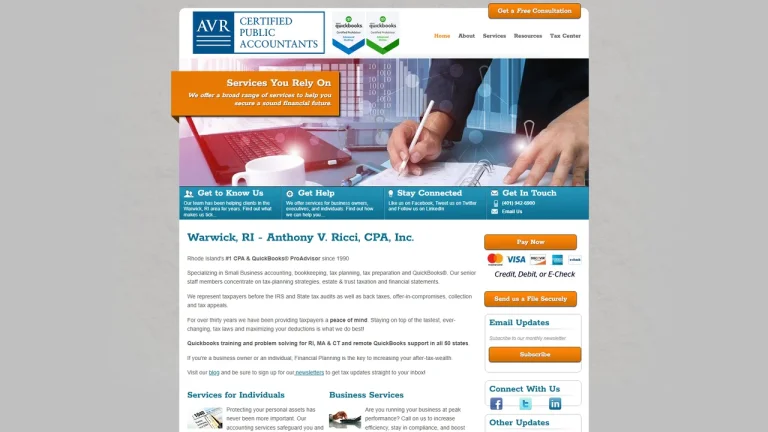
Anthony V Ricci, CPA, Inc. - Warwick, RI

Consumer Rights Attorney John T. Longo - Providence, RI
Goldman & Goldman - Warwick, RI

Brederson Law Center, LLC - Providence, RI

Furtado Legal Services - Warwick, RI

Citadel Consumer Law, John Longo, Esq. - Providence, RI

Brennan Scungio & Kresge LLP - Providence, RI
Navigating Debt Relief and Bankruptcy Jurisdictions in Rhode Island
Rhode Island consumers and small business owners dealing with overwhelming debt face dual judicial tracks. Formal personal bankruptcy cases-including Chapter 7 liquidation and Chapter 13 repayment plans-are filed exclusively with the United States Bankruptcy Court for the District of Rhode Island, located in Providence.
State-level collection lawsuits, wage executions, and creditor supplementary proceedings originate within the Rhode Island District Court divisions (such as the Sixth Division in Providence and Third Division in Warwick) or the Rhode Island Superior Court for larger liabilities.
Across Providence, Warwick, Cranston, Pawtucket, and East Providence, licensed debt relief attorneys help residents assert statutory exemptions and invoke the automatic stay. Retaining an attorney admitted to the Rhode Island Bar Association ensures your home, vehicle, and wages are protected against aggressive collection tactics.
Rhode Island Debt Relief and Bankruptcy Legal Fees
Legal expenses for Rhode Island debt relief and bankruptcy representation depend on filing categories, asset structures, and whether creditors pursue litigation.
| Case Scenario | Fee Structure | Estimated Cost (USD) | Key Cost Determinants |
|---|---|---|---|
| Chapter 7 Bankruptcy (Individual Consumer Liquidation) | Flat Fee | $1,200 - $2,500 | Means test calculation, creditor matrix size, asset exemption auditing, and trustee meeting attendance. |
| Chapter 13 Debt Reorganization (3 to 5-Year Plan) | Court-Approved Flat Fee | $3,500 - $5,000 | Mortgage arrearage cure schedules, disposable income determinations, vehicle cramdowns, and trustee objection defense. |
| Out-of-Court Debt Settlement & Creditor Negotiation | Hourly ($250 - $450/hr) or % of Savings | $1,500 - $4,500 | Total unsecured debt volume, creditor discount willingness, and lump-sum settlement availability. |
| District Court Collection Defense & Wage Garnishment Halts | Flat Fee or Hourly ($250 - $450/hr) | $1,000 - $3,500 | District Court responsive pleadings, ten-year statute of limitations verification, and bank attachment release motions. |
Critical Legal Deadlines & Statutes in Rhode Island
Under R.I. Gen. Laws § 9-1-13(a), Rhode Island enforces a general ten-year statute of limitations for civil actions founded on written contracts, giving debt collectors an exceptionally long window to initiate debt collection lawsuits.
For bankruptcy filings, the immediate protection of the automatic stay under federal law 11 U.S. Code § 362 takes effect the instant a petition is docketed, legally halting all foreclosures, repossessions, and garnishments.
Rhode Island debtors benefit from the state homestead exemption codified in R.I. Gen. Laws § 9-26-4.1, which exempts up to $650,000 in equity in a primary residential property. Debtors in Rhode Island may elect either state exemptions or federal bankruptcy exemptions under 11 U.S. Code § 522. Wage garnishment protections are established under R.I. Gen. Laws § 10-5-8 and the federal Consumer Credit Protection Act 15 U.S. Code § 1673, limiting post-judgment wage attachments to twenty-five percent of disposable earnings.
Small Claims Limitations vs. Professional Debt Relief Counsel
The Small Claims Division of the Rhode Island District Court, authorized under R.I. Gen. Laws § 10-16-1, handles minor contractual and consumer collection claims up to $5,000.
Small claims courts possess zero authority over bankruptcy discharges, equitable debt restructurings, or residential mortgage modifications. A small claims judgment creditor can quickly convert an uncontested small claims ruling into an execution against your bank account.
Attempting to handle debt relief without legal counsel presents severe risks. Unregulated non-attorney debt settlement companies often instruct borrowers to stop paying bills while taking exorbitant administrative fees, leaving clients vulnerable to District Court lawsuits and destroyed credit. A licensed Rhode Island debt relief attorney halts collection harassment under the Rhode Island Deceptive Trade Practices Act (R.I. Gen. Laws § 6-13.1-1) and federal Fair Debt Collection Practices Act (15 U.S. Code § 1692), protects exempt equity, and secures a permanent, legally binding court discharge.
Red Flags in Debt Relief Services
Consumers seeking financial freedom should remain vigilant against questionable practices when seeking assistance:
- Upfront Fees for Unregulated Debt Settlement: Federal and state consumer regulations prohibit non-lawyer debt settlement companies from collecting advance fees before settling a debt; only licensed attorneys can charge upfront retainers for legal services.
- Guarantees of Specific Debt Reduction Percentages: Debt reduction outcomes depend entirely on individual creditor policies; any entity guaranteeing debts can be settled for pennies on the dollar is misleading consumers.
- Failure to Screen for Bankruptcy Suitability: Beware of debt settlement operators that refuse to discuss Chapter 7 or Chapter 13 bankruptcy because they lack legal licensing to represent you in federal court.
- Unlicensed Out-of-State Document Services: Always confirm that your representative is admitted to practice before the Rhode Island Supreme Court and the U.S. Bankruptcy Court for the District of Rhode Island.
Frequently Asked Questions
What is the statute of limitations on consumer debt in Rhode Island?
Under R.I. Gen. Laws § 9-1-13(a), the statute of limitations for actions on written contracts, promissory notes, and credit card debts is ten years, giving creditors a decade to file suit before a claim is legally time-barred.
Can filing bankruptcy in Rhode Island stop a home foreclosure?
Yes. Filing a petition under 11 U.S. Code § 362 triggers the automatic stay, which instantly halts scheduled foreclosure sales, sheriff attachments, and creditor collection actions while the bankruptcy proceeding is active.
What is the Rhode Island homestead exemption?
Pursuant to R.I. Gen. Laws § 9-26-4.1, Rhode Island provides a homestead exemption protecting up to $650,000 of equity in an individual's primary residence against attachment, execution, or forced sale by creditors.
How much of my wages can be garnished in Rhode Island?
Under R.I. Gen. Laws § 10-5-8 and federal law 15 U.S. Code § 1673, judgment creditors can garnish up to twenty-five percent of disposable weekly earnings, or the amount by which weekly disposable earnings exceed thirty times the federal minimum wage, whichever is less.
Can I choose between state and federal bankruptcy exemptions in Rhode Island?
Yes. Rhode Island is a choice state where filers may select either Rhode Island state exemptions or federal exemptions under 11 U.S. Code § 522, allowing filers to select the system that maximizes asset protection.