
Residential Real Estate Lawyers in Rhode Island
Retaining an experienced Rhode Island residential real estate lawyer safeguards your property investment and ensures seamless title transfers under state law. Qualified local attorneys resolve title defects, boundary disagreements, and purchase contract disputes through structured negotiations before escalating to court. Explore our directory below to connect with trusted Rhode Island real estate lawyers for your closing or property dispute.

Lynch & Greenfield, LLP - Providence, RI

Conley Law & Associates - Providence, RI
Reilly Legal, LLC - Providence, RI

Gereboff & Gelade - Providence, RI

Leone Law LLC - Warwick, RI

Balkun Title & Closing - Warwick, RI

Brennan Law Offices - Warwick, RI
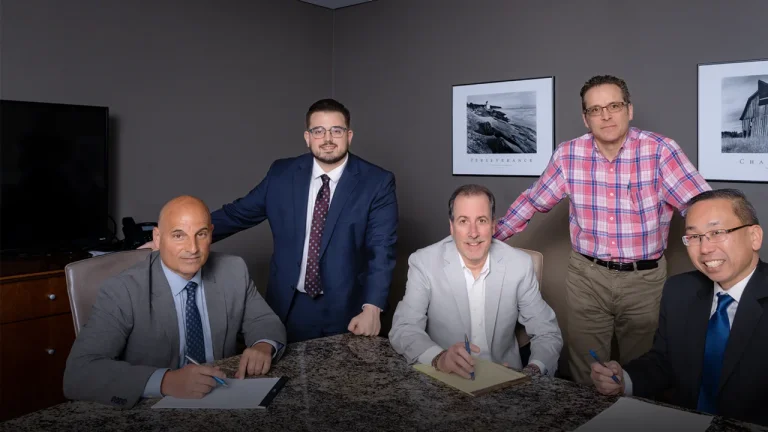
Lepizzera & Laprocina - Warwick, RI

Marinosci Law Group, PC - Warwick, RI

Law Office of Michael P. Marinelli, LLC - Warwick, RI

The Law Offices of Kristen Carron - Warwick, RI

Law Offices of Lawrence J. Signore - Providence, RI

D'Amico.Burchfield LLP - Providence, RI

Olenn & Penza, LLP - Warwick, RI

Gilstein Kinder & Levin LLP - Warwick, RI

Iacoi Law - Providence, RI

Davis & Associates, LLC Counselors at Law - Providence, RI

The Law Office of Walter J Manning - Warwick, RI
Gertsacov Law Offices, LLC - Providence, RI

Tomassi Law, LLC - Warwick, RI
Shapiro Dorry Masterson, LLC - Providence, RI

Resnick & Caffrey - Warwick, RI
RI Condo Law - Warwick, RI
Rhode Island Residential Real Estate Practice & Local Jurisdictions
Residential property transactions and ownership disputes across Rhode Island operate under state statutory frameworks administered through municipal land records and county judicial divisions. Unlike jurisdictions with centralized county registries, Rhode Island records deeds, mortgages, and encumbrances exclusively at the local municipal level across 39 individual city and town halls, ranging from Providence and Warwick to Cranston, Pawtucket, Newport, and Westerly. Navigating these decentralized municipal registries requires precise knowledge of local recording procedures and municipal land use regulations.
When residential real estate conflicts cannot be resolved through attorney-driven negotiations or title cure procedures, legal actions proceed to the Rhode Island Superior Court. Major property litigation-including actions to quiet title under R.I. Gen. Laws § 34-16-1, specific performance suits, and partition proceedings-falls under the jurisdiction of the county Superior Court complexes: Providence/Bristol County in Providence, Kent County in Warwick, Washington County in South Kingstown, and Newport County in Newport. Electronic court dockets and filings are administered statewide via the Rhode Island Judiciary Odyssey e-filing system.
Engaging a residential real estate attorney admitted to the Rhode Island Bar Association provides vital protection during property acquisitions, refinancing, and boundary confrontations. From reviewing complex purchase and sales agreements to identifying municipal tax liens or riparian rights in coastal areas, a dedicated legal advocate ensures transactions comply with Rhode Island statutory disclosure obligations and protects homeowners from enduring financial liabilities.
Estimated Residential Real Estate Legal Fees in Rhode Island
| Case Scenario | Fee Structure | Estimated Cost (USD) | Key Cost Determinants |
|---|---|---|---|
| Standard Home Purchase Closing Representation | Flat Fee | $950 - $1,850 | Number of municipal lien searches, title binder complexities, and lender-mandated closing documentation requirements. |
| Title Defect Remediation & Quiet Title Action | Hourly / Retainer | $2,500 - $6,500 | Severity of cloud on title, unreleased prior mortgages, heirship disputes, and court hearing frequency in Superior Court. |
| Residential Lease Drafting & Property Advisory | Flat / Hourly | $450 - $1,200 | Custom tenancy covenants, lead paint disclosure compliance, and security deposit agreement provisions. |
| Boundary Line & Easement Injunction Litigation | Hourly Retainer | $3,500 - $10,000+ | Professional boundary survey costs, historical deed analysis, expert testimony, and duration of preliminary injunction hearings. |
Critical Legal Deadlines & Statutes in Rhode Island
Real estate transactions, contract enforcement, and property disputes in Rhode Island are governed by strict statutory timetables that protect property rights and define actionable claims:
- Breach of Real Estate Contract: Lawsuits founded upon breach of written real estate purchase contracts or promissory notes must generally be initiated within 10 years pursuant to R.I. Gen. Laws § 9-1-13.
- Seller Property Condition Disclosure Violations: Claims concerning undisclosed physical or environmental defects under the Real Estate Sales Disclosures Act must adhere to the provisions of R.I. Gen. Laws § 5-20.8-2 and R.I. Gen. Laws § 5-20.8-4.
- Adverse Possession Timelines: Establishing ownership through adverse possession requires uninterrupted, open, notorious, and hostile possession of real estate for a minimum of 10 continuous years under R.I. Gen. Laws § 34-7-1.
- Residential Landlord Security Deposit Return: Landlords must return tenant security deposits or supply an itemized list of deductions within 20 days of lease termination and tenant surrender under R.I. Gen. Laws § 34-18-19.
Small Claims Court vs. Professional Real Estate Counsel
Under R.I. Gen. Laws § 10-16-1, the Rhode Island District Court Small Claims division operates under a jurisdictional cap of $2,500. This simplified forum provides an economical route for self-represented individuals seeking recovery of minor financial disputes, such as disputed security deposit withholdings or unreturned earnest money deposits that fall below the statutory threshold.
However, residential property disputes that involve property title clouds, encroachments, boundary adjustments, easements, or contract breaches exceeding $2,500 cannot be adjudicated in small claims. The District Court Small Claims division cannot grant equitable relief, such as ordering specific performance to force the sale of a home or issuing an injunction against trespass. These matters demand formal complaint filings, title chain analyses, and evidentiary motions in the Rhode Island Superior Court, where skilled legal representation is vital to safeguarding real property rights.
Red Flags When Selecting a Real Estate Lawyer
- Absence of Municipal Experience: Rhode Island land registries are maintained by 39 separate city and town halls; avoid legal counsel unfamiliar with the title recording customs of your specific municipal clerk.
- Unclear Settlement Statement Disclosures: Exercise caution if an attorney fails to provide a clear, itemized breakdown of legal representation fees versus title examination, title insurance premiums, and municipal recording fees.
- Undisclosed Dual Representation: Be wary of practitioners who attempt to represent both the buyer and the seller in the same transaction without comprehensive written disclosures and informed conflict waivers.
- Complete Delegation of Title Examination: Avoid law firms that outsource title searches entirely to unregulated entities without direct attorney oversight and certified opinion letters.
Frequently Asked Questions
Is an attorney required to conduct a residential real estate closing in Rhode Island?
While Rhode Island permits title companies to manage closing logistics, statutory standards and lending practices typically require a licensed Rhode Island attorney to conduct the title examination and execute closing documentation to ensure compliance with state conveyance standards.
Where are residential deeds officially recorded in Rhode Island?
Deeds are not recorded at the county level in Rhode Island. All deeds, mortgages, and property encumbrances must be filed directly with the municipal clerk or recorder of deeds in the specific city or town where the real estate is physically situated.
What is the Rhode Island statute of limitations for an adverse possession claim?
Under R.I. Gen. Laws § 34-7-1, an individual claiming title through adverse possession must prove actual, open, notorious, hostile, continuous, and exclusive possession of the property for at least 10 continuous years.
What happens if a seller conceals home defects in Rhode Island?
Under R.I. Gen. Laws § 5-20.8-2, residential sellers must deliver a written property disclosure statement prior to signing a purchase contract. Intentional misrepresentation or material omissions can subject the seller to liability for actual repair damages and statutory penalties under R.I. Gen. Laws § 5-20.8-4.