
Criminal Defense Lawyers in Charleston, SC
Retaining an experienced criminal defense lawyer in Charleston ensures your constitutional rights and freedom are protected under South Carolina criminal law. Dedicated legal counsel investigates arrest procedures, challenges state evidence, and seeks charge dismissals or diversion programs to avoid trial. Explore our directory below to consult verified Charleston County criminal defense attorneys for an immediate and confidential case review.
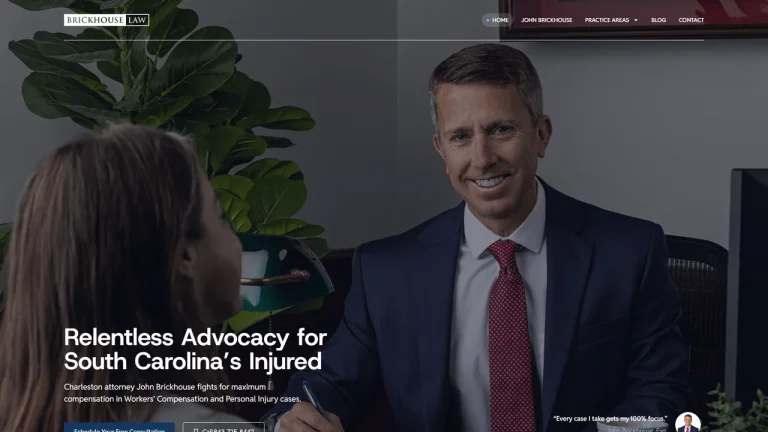
Brickhouse Law, LLC - Charleston, SC

The Coleman Law Firm - Charleston, SC
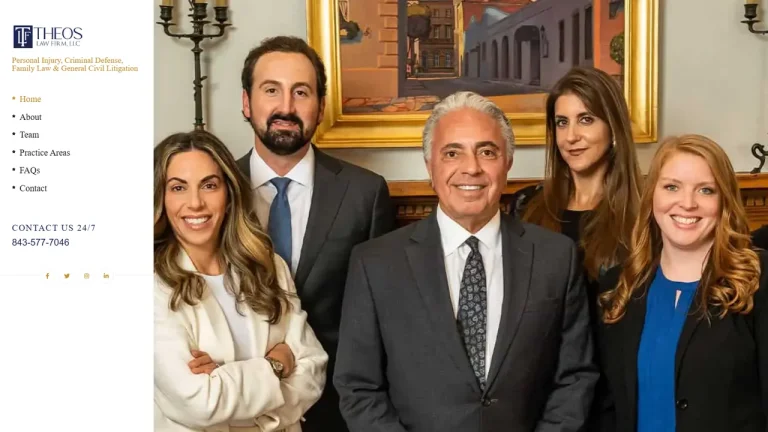
Theos Law Firm - Charleston, SC

Pflug Trial Lawyers - Charleston, SC
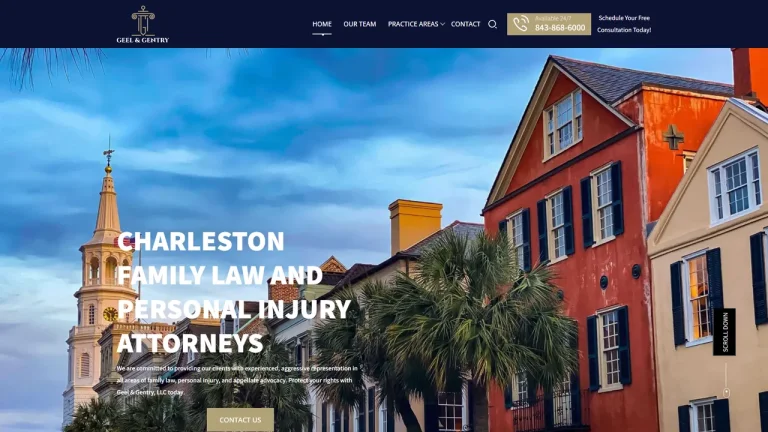
Geel & Gentry, LLC - Charleston, SC
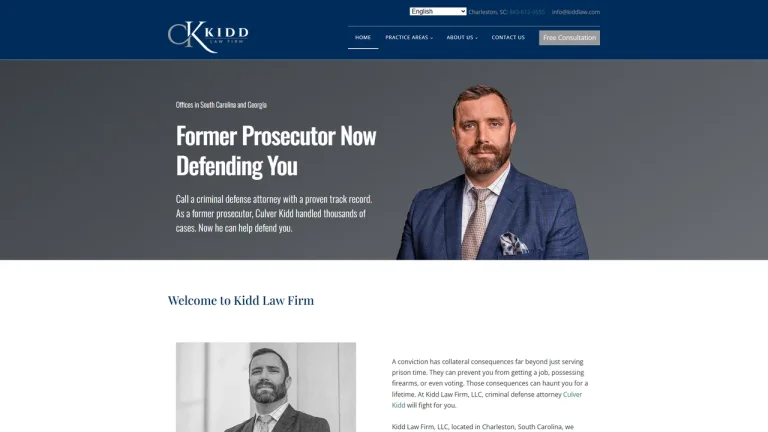
Kidd Law Firm - Charleston, SC
McCoy Law Group, LLC - Charleston, SC
John W. Molony Law Firm, LLC - Charleston, SC
Sanders Law Firm, LLC - Charleston, SC

Douglas Jennings Law Firm, LLC - Charleston, SC
Lofton & Lofton, P.C. - Charleston, SC
Uricchio, Howe, Krell, Jacobson, Toporek & Keith, P.A. - Charleston, SC
Cameron L. Marshall, LLC - Charleston, SC
Leffew Law Firm, LLC - Charleston, SC
Sahn Law Firm - Attorneys at Law - Charleston, SC

Peper Law Firm, P.A. - Charleston, SC
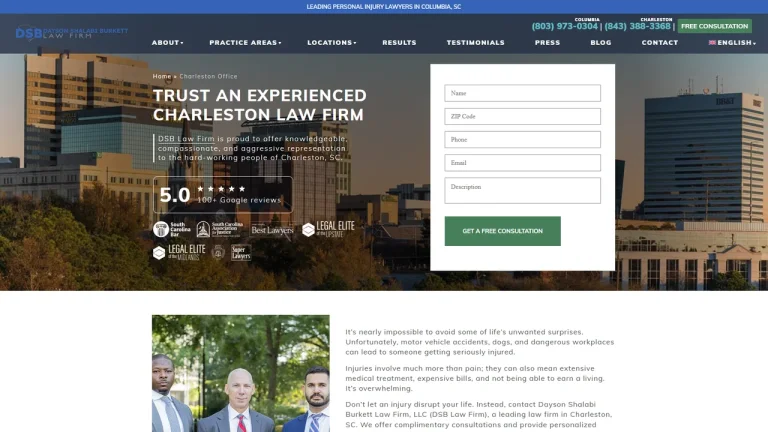
Dayson Shalabi Burkett Law Firm, LLC - Charleston, SC
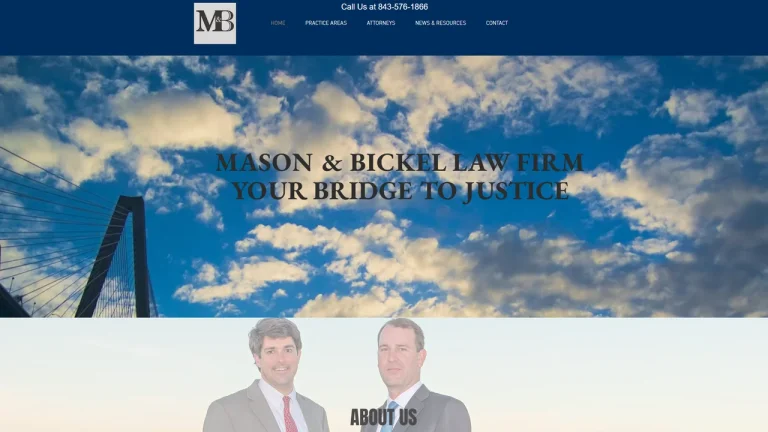
Mason & Bickel Law Firm, LLC - Charleston, SC
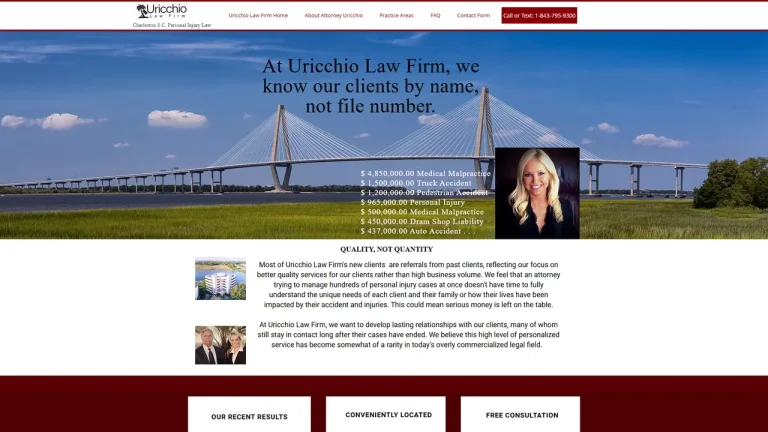
Uricchio Law Firm - Charleston, SC
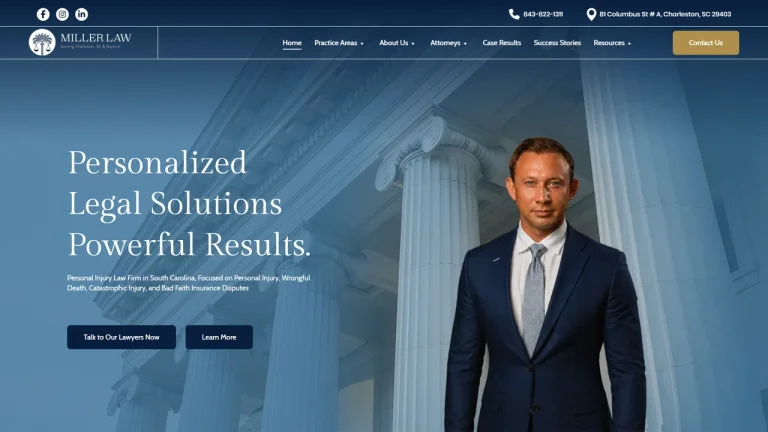
Miller Law, LLC - Charleston, SC
Henderson & Henderson, LLC - Charleston, SC

David L. Savage - Charleston, SC
Williams & Walsh Attorneys at Law - Charleston, SC
Aggressive Criminal Defense Across Charleston, South Carolina
Facing criminal charges in Charleston puts your liberty, professional licensing, and personal reputation in immediate jeopardy. Arrests made by the Charleston Police Department, the Charleston County Sheriff's Office, or state troopers quickly lead to detention at the Sheriff Al Cannon Detention Center on Leeds Avenue. Whether confronting a misdemeanor DUI along King Street or serious felony indictments in West Ashley, early intervention by experienced legal counsel is essential.
Criminal matters in Charleston County proceed through distinct judicial tracks. Municipal ordinance violations and basic misdemeanors are handled at the Charleston Municipal Court on Lockwood Boulevard or local Magistrate Courts, while felony charges and serious misdemeanors fall under the Ninth Judicial Circuit Court of General Sessions at the Charleston County Judicial Center at 100 Broad Street. Federal criminal prosecutions are tried before the U.S. District Court for the District of South Carolina at the J. Waties Waring Judicial Center on Meeting Street.
Retaining a seasoned Charleston criminal defense attorney ensures immediate access to bond hearings, statutory discovery under Rule 5 of the South Carolina Rules of Criminal Procedure, and timely preliminary hearing demands. Local counsel understands the evidentiary benchmarks enforced by Ninth Circuit prosecutors, working tirelessly to secure pre-trial intervention, case dismissals, or acquittals before a jury.
Criminal Defense Legal Fees in Charleston, SC
| Case Scenario | Fee Structure | Estimated Cost (USD) | Key Cost Determinants |
|---|---|---|---|
| First-Offense Misdemeanor DUI / Traffic Offense | Fixed Flat Fee | $2,500 - $5,500 | BAC chemical testing validity, mandatory video compliance under Section 56-5-2953, Municipal Court trial. |
| Drug Possession / Property Misdemeanor with PTI Diversion | Fixed Flat Fee | $2,000 - $4,500 | Pre-Trial Intervention (PTI) eligibility, conditional discharge filings, record expungement coordination. |
| Felony Drug Distribution or Violent Offense Litigation | Retainer / Hybrid Hourly ($300 - $550/hr) | $7,500 - $20,000+ | General Sessions indictment, suppression motions on Fourth Amendment searches, forensic lab challenges. |
| Federal Criminal Indictment Defense at Meeting Street | Retainer / Hourly ($400 - $700/hr) | $15,000 - $50,000+ | Federal grand jury indictments, complex wiretap discovery, federal sentencing guidelines analysis. |
Critical Legal Deadlines & Statutes in South Carolina
Criminal prosecutions in Charleston must adhere strictly to statutory deadlines established under the South Carolina Code of Laws:
- Preliminary Hearing Written Demand: Under S.C. Code Ann. § 22-5-320, a defendant charged with a General Sessions offense must file a written demand for a preliminary hearing within 10 days of the bond hearing to challenge state probable cause.
- Mandatory DUI Video Recording Standards: Pursuant to S.C. Code Ann. § 56-5-2953, law enforcement must strictly capture the entire roadside investigation and breath testing process on video; failure to comply requires statutory dismissal.
- Implied Consent License Suspension Appeal: A driver has strictly 30 days from the arrest date to request an administrative hearing with the Office of Motor Vehicle Hearings under S.C. Code Ann. § 56-5-2951 to contest a license suspension.
- Pre-Trial Intervention (PTI) Eligibility: First-time non-violent offenders must formally apply for PTI diversion under S.C. Code Ann. § 17-22-10 prior to the case being called for trial.
- Drug Possession & Weight Thresholds: Governed by S.C. Code Ann. § 44-53-370, which establishes statutory weight thresholds that automatically elevate simple possession to felony possession with intent to distribute.
Magistrate Court Limits vs. General Sessions Defense Representation
In South Carolina, Magistrate Courts possess civil jurisdiction capped at $7,500 under S.C. Code Ann. § 22-3-10, and criminal jurisdiction limited to offenses carrying a maximum of 30 days imprisonment or statutory fines. However, when confronting felony indictments or high-tier misdemeanors in the Charleston County Court of General Sessions, self-representation or treating criminal charges informally creates catastrophic risks of state prison sentences and permanent felony records. A Magistrate cannot dismiss a General Sessions indictment, and unrepresented defendants frequently forfeit crucial preliminary hearing rights under S.C. Code Ann. § 22-5-320. Retaining an experienced Charleston criminal defense lawyer ensures formal representation at 100 Broad Street, vigorous constitutional motion practice, and protection of your liberties.
Red Flags When Hiring a Charleston Criminal Defense Lawyer
- Guarantees of Dismissal or Acquittal: Ethical defense attorneys cannot promise specific outcomes; avoid lawyers who guarantee charge dismissals without examining state evidence.
- Missing the 10-Day Preliminary Hearing Window: Failing to file a timely written demand for a preliminary hearing under S.C. Code Ann. § 22-5-320 waives your initial right to challenge probable cause.
- Pressuring Premature Guilty Pleas: Be cautious of lawyers who suggest taking a plea deal at the first court appearance without reviewing police dashcam video or Rule 5 discovery materials.
- Lack of General Sessions Courtroom Experience: Ensure your attorney regularly tries cases in the Charleston County Judicial Center on Broad Street and understands local Ninth Circuit judicial procedures.
Frequently Asked Questions
How quickly can I get released on bond in Charleston County?
Under South Carolina law, a bond hearing must be conducted within 24 hours of arrest at the Sheriff Al Cannon Detention Center. For non-capital charges, a magistrate sets bond conditions, while circuit judges handle bond for charges carrying life imprisonment.
What is the deadline to request a preliminary hearing in South Carolina?
Under S.C. Code Ann. § 22-5-320, you must submit a written request for a preliminary hearing within 10 days of your bond hearing. If this deadline is missed, your right to challenge probable cause prior to indictment is permanently waived.
Can a DUI charge be dismissed if the police officer failed to record the arrest?
Yes. South Carolina enforces strict mandatory video recording requirements under S.C. Code Ann. § 56-5-2953. Unexcused failure by law enforcement to record field sobriety tests or breath alcohol procedures can result in a statutory dismissal of the charge.
What is Pre-Trial Intervention (PTI) in Charleston County?
PTI is a diversion program governed by S.C. Code Ann. § 17-22-10 for qualified first-time, non-violent offenders. Successfully completing community service, counseling, and restitution results in complete dismissal of the criminal charges and full expungement of your arrest record.
What is the difference between Municipal Court and General Sessions in Charleston?
The Charleston Municipal Court on Lockwood Boulevard handles municipal ordinance violations and minor misdemeanors carrying penalties of up to 30 days in jail. The Court of General Sessions at 100 Broad Street handles serious misdemeanors and all felony offenses prosecuted by the Ninth Circuit Solicitor.