
Wills, Estate Planning & Probate Lawyers in Charleston, SC
Preserving your family legacy and navigating probate in Charleston requires skilled legal counsel versed in the South Carolina Probate Code and local courts. Experienced estate planning and probate attorneys draft protective trusts, administer decedents' estates, and resolve probate litigation to protect wealth across generations. Explore our directory below to consult an established Charleston estate planning and probate lawyer.

Turner, Padget, Graham & Laney, P.A. - Charleston, SC
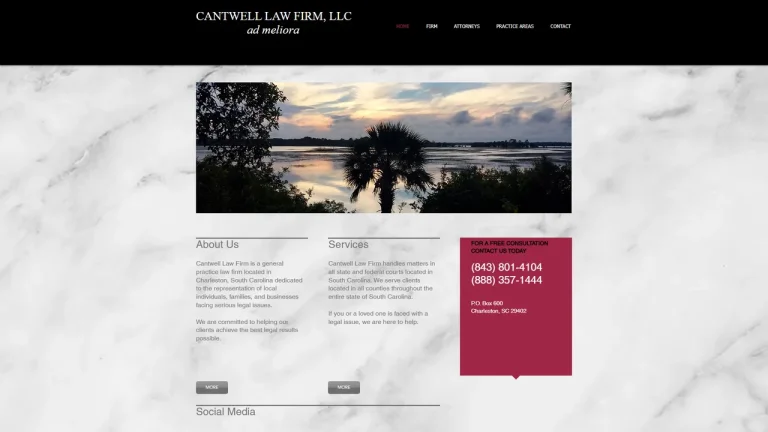
Cantwell Law Firm, LLC - Charleston, SC

Mulet Law - Charleston, SC

Rosen Hagood - Charleston, SC
John D. Crumrine - Charleston, SC

Woron and Dhillon, LLC - Charleston, SC

Henderson & Henderson, LLC - Charleston, SC

Barnwell Whaley Patterson & Helms - Charleston, SC

Ayers Family Law, LLC - Charleston, SC

Law Offices of Brian Robert Murphy, LLC - Charleston, SC
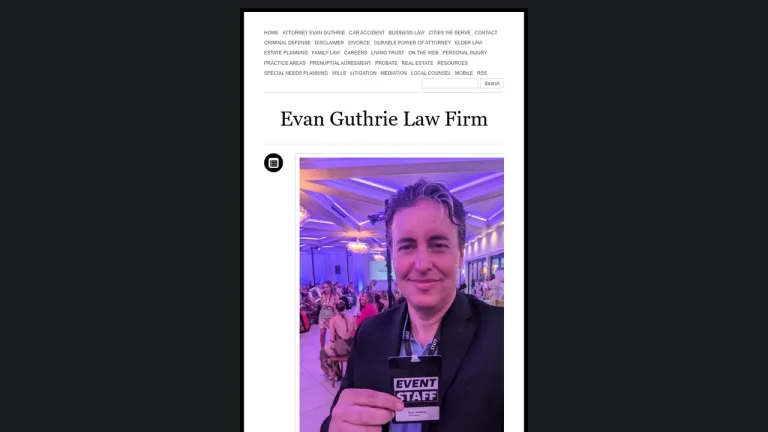
Evan Guthrie Law Firm - Charleston, SC

Peper Law Firm, P.A. - Charleston, SC

Rogers Townsend - Charleston, SC

Bostic Law Group, P.A. - Charleston, SC

Bland Richter, LLP - Charleston, SC
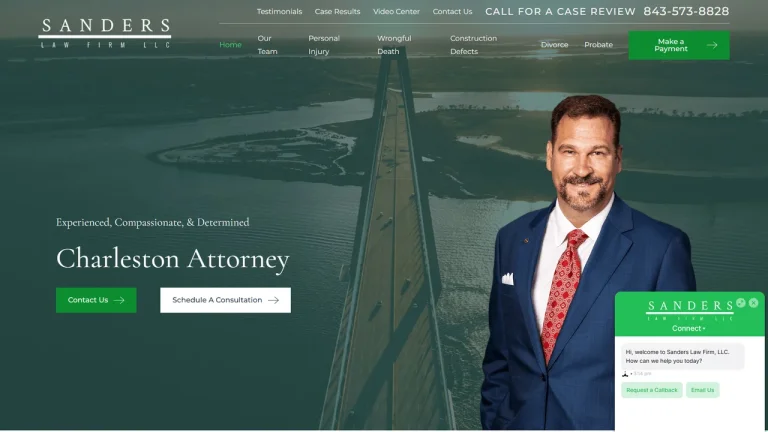
Sanders Law Firm, LLC - Charleston, SC

Kidd Law Firm - Charleston, SC

Duffy & Young LLC - Charleston, SC
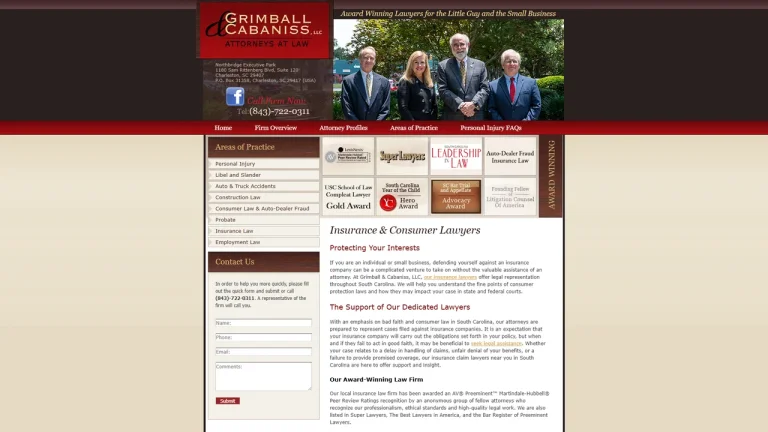
Grimball & Cabaniss, LLC - Charleston, SC
Estate Planning & Probate Practice in Charleston, South Carolina
Estate planning, trust management, and probate administration in Charleston require comprehensive alignment with the South Carolina Probate Code and local court rules. Decedents' estates, guardianship proceedings, and trust administrations for families residing throughout Charleston County-including the Historic Peninsula, West Ashley, James Island, Johns Island, and Mount Pleasant-are administered under the supervision of the Charleston County Probate Court, located in the Historic Courthouse on Broad Street.
Protecting multi-generational property, family-owned enterprises, and coastal real estate requires precise legal structures tailored to South Carolina law. Without a comprehensive estate plan consisting of a valid last will and testament, durable power of attorney, and healthcare directives, estates are subjected to statutory intestate succession rules that may disinherit intended beneficiaries or trigger burdensome bond requirements.
Retaining an experienced Charleston estate planning and probate lawyer ensures that testamentary documents satisfy formal execution requirements, probate proceedings are administered efficiently within statutory creditor windows, and disputes involving fiduciary duties or testamentary capacity are vigorously resolved.
Typical Estate Planning & Probate Legal Fees in Charleston
| Case Scenario | Fee Structure | Estimated Cost (USD) | Key Cost Determinants |
|---|---|---|---|
| Basic Estate Planning Package (Will, POA, Healthcare) | Flat Fee | $1,200 - $2,800 | Marital status, minor child guardianship terms, asset complexity, self-proving affidavits |
| Revocable Living Trust Estate Plan | Flat Fee | $2,500 - $5,500 | Real estate deed transfer volume, pour-over wills, trust funding instructions, tax structuring |
| Uncontested Formal Probate Administration | Hourly or Flat Fee | $2,500 - $6,000 | Estate inventory scale, creditor notice publication, asset transfer logistics, accounting depth |
| Contested Probate Litigation & Will Contests | Hourly Rate ($325 - $600/hr) | $7,500 - $25,000+ | Undue influence claims, testamentary capacity evaluations, fiduciary accounting challenges |
Critical Legal Deadlines & Statutes in South Carolina
Estate planning documents and probate administration in South Carolina are governed by strict statutory rules under the South Carolina Probate Code codified in Title 62. For a last will and testament to be valid under S.C. Code Ann. § 62-2-502, it must be in writing, executed by the testator, and witnessed by at least two individuals who observed the signing or acknowledgment of the will. Including a self-proving affidavit pursuant to state law avoids the need for witness depositions upon probate.
Following an individual's death, the administration of the estate is bound by rigid statutory deadlines. Under S.C. Code Ann. § 62-3-803, creditors of the estate must present their claims within eight months after the date of the first published notice to creditors in a local newspaper, or within one year after the decedent's death, whichever is earlier; unfiled claims are forever barred. In addition, South Carolina protects surviving spouses through an elective share statute under S.C. Code Ann. § 62-2-201, which allows a surviving spouse to claim one-third of the decedent's probate estate by filing a formal petition within eight months of death or six months of probate opening. Powers of attorney must comply with the South Carolina Uniform Power of Attorney Act under S.C. Code Ann. § 62-8-101.
Small Claims Limitations vs. Probate Court Legal Counsel
While the Charleston County Magistrate Courts manage small civil matters up to $7,500 under S.C. Code Ann. § 22-3-10, they possess no authority over estate administration, fiduciary appointments, or will contests. All estate and probate proceedings belong under the exclusive jurisdiction of the Charleston County Probate Court.
Attempting to handle probate administration without counsel can result in personal financial liability for personal representatives. Executors who disburse funds prior to the expiration of the eight-month creditor window under S.C. Code Ann. § 62-3-803 can be held personally liable for unsatisfied estate debts. A dedicated Charleston probate and estate planning attorney prepares mandatory inventory filings, handles creditor claims, structures revocable trusts to avoid probate delays, and protects family wealth against statutory challenges.
Red Flags When Hiring a Charleston Estate Planning Lawyer
- Non-attorney trust document mills or generic online form services that fail to satisfy South Carolina's formal two-witness execution rules or omit self-proving language.
- Practitioners who draft revocable living trusts without assisting in deed transfers at the Charleston County Register of Deeds to properly fund the trust.
- Attorneys who fail to advise clients regarding the spousal elective share or South Carolina's statutory omitted spouse and child provisions.
- Retainer agreements that conceal separate administrative fees for formal probate accountings or estate closing petitions.
Frequently Asked Questions
Where is the Charleston County Probate Court located?
The Charleston County Probate Court is situated in the Historic Charleston County Courthouse at 84 Broad Street, at the intersection of Meeting and Broad Streets in Downtown Charleston.
Does a last will and testament avoid probate in South Carolina?
No, a will must be formally filed and admitted to probate in the Charleston County Probate Court; to transfer assets outside of probate, individuals typically utilize funded revocable living trusts or beneficiary designations.
How long do creditors have to file a claim against an estate in South Carolina?
Creditors must file claims within eight months of the first publication of the notice to creditors in a local newspaper, or within one year of the decedent's death, after which claims are barred.
Can a spouse be completely disinherited under South Carolina law?
No, surviving spouses in South Carolina are statutorily entitled to claim an elective share of one-third of the decedent's probate estate, regardless of the terms in the will, unless waived in a valid prenuptial agreement.
What is a self-proving affidavit on a South Carolina will?
A self-proving affidavit is a notarized statement executed by the testator and witnesses at the time of signing that allows the probate court to admit the will without locating the witnesses to testify.