
Child Support Lawyers in Columbia
Retaining an experienced Columbia child support attorney safeguards your family's financial stability and protects parental rights under South Carolina law. Dedicated legal counsel helps parties navigate state guidelines, resolve disputes through mediation, and avoid prolonged courtroom litigation. Review our verified directory below to schedule a case evaluation with trusted local lawyers.

Pozsik and Carpenter Law Firm - Columbia, SC

Attorney Dain, LLC - Columbia, SC

Law Office of Joshua P. Golson, LLC - Columbia, SC

Wes Kirkland Attorney At Law, LLC - Columbia, SC

Law Office of Yvonne Murray-Boyles - Columbia, SC

Burriss Ridgeway Injury Lawyers - Columbia, SC
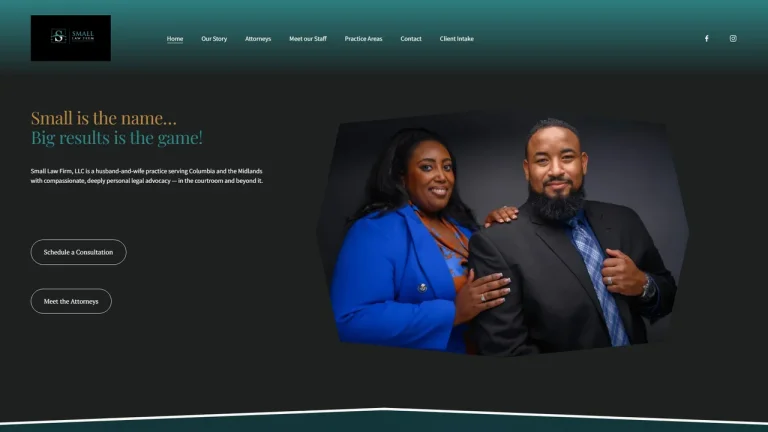
Small Law Firm - Columbia, SC
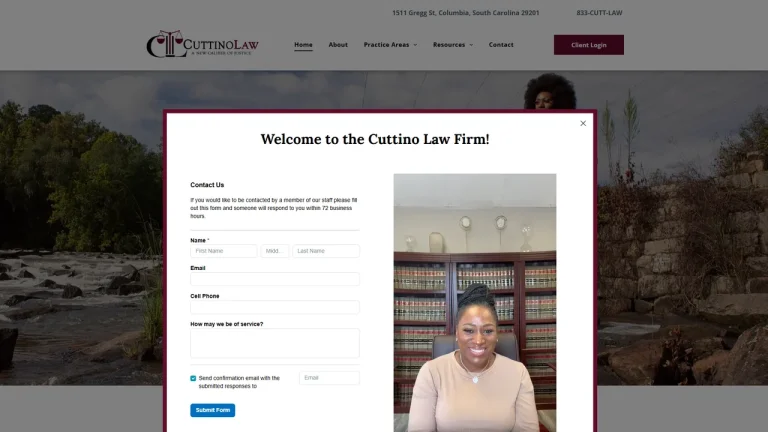
The Cuttino Law Firm LLC - Columbia, SC
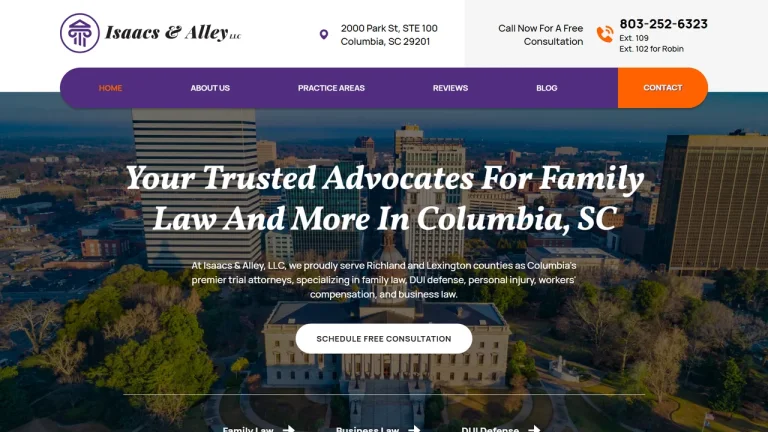
Isaacs & Alley - Columbia, SC
The Paraclete Law Center, LLC - Columbia, SC

Child Support Jurisdiction in Richland County Family Court
Child support proceedings in Columbia are governed by the Fifth Judicial Circuit, with primary jurisdiction held by the Richland County Family Court located within the Richland County Judicial Center on Main Street. Parents residing throughout Columbia-including the neighborhoods of Forest Acres, Shandon, Earlewood, and neighboring communities across the Congaree River such as Cayce and Lexington-must navigate complex judicial expectations when establishing or modifying financial obligations.
South Carolina child support calculations do not rely merely on base wages. The bench evaluates gross monthly earnings, health insurance premiums, work-related childcare costs, and preexisting support orders. Cases initiated through or involving the South Carolina Department of Social Services (DSS) Child Support Enforcement Division follow specific administrative and judicial review tracks that require seasoned legal handling.
Retaining a Columbia child support attorney ensures that self-employment revenue, bonuses, seasonal commissions, and potential voluntary underemployment are properly investigated. Local counsel provides the courtroom familiarity necessary to advocate before Richland County Family Court judges, securing fair support orders or pursuing required deviations through formal settlement agreements.
Estimated Child Support Legal Costs & Fee Structures in Columbia
| Case Scenario | Fee Structure | Estimated Cost (USD) | Key Cost Determinants |
|---|---|---|---|
| Uncontested Support Agreement | Flat Fee / Low Retainer | $1,200 - $2,500 | Voluntary financial disclosures, completed DSS worksheets, direct submission for judicial approval without contested hearings. |
| Contested Support & Imputed Income | Hourly Retainer ($250 - $400/hr) | $3,500 - $8,500 | Forensic subpoena of business records, financial depositions, contested evidentiary hearings regarding underemployment. |
| Post-Decree Support Modification | Hourly Retainer ($225 - $375/hr) | $2,000 - $5,000 | Demonstrating substantial change in financial circumstances, health coverage shifts, or custody adjustments. |
| Rule to Show Cause & Contempt Enforcement | Fixed Fee / Hourly Retainer | $1,500 - $4,000 | Arrears audit, wage withholding motions, defense against civil incarceration, and structured repayment plans. |
Critical Legal Deadlines & Statutes in South Carolina
Child support awards in Columbia are dictated by state statutory formulas and rigorous procedural rules. Key statutes and deadlines governing these actions include:
- Statutory Child Support Formula: Courts must apply the official South Carolina Child Support Guidelines pursuant to S.C. Code Ann. § 63-17-470, which establishes a rebuttable presumption that the calculated amount is correct.
- Duration and Emancipation: Under S.C. Code Ann. § 63-3-530, support duties generally continue until the child turns 18 years old or completes secondary school, whichever occurs later, unless the child is emancipated or remains physically disabled.
- Substantial Change Standard: To modify an existing support decree, the moving party must establish a substantial, unanticipated, and material change in economic or custodial circumstances under S.C. Code Ann. § 63-17-320.
- Mandatory Income Withholding: Support orders entered in South Carolina automatically subject the obligor's wages to withholding under S.C. Code Ann. § 63-17-310 unless both parties and the judge agree to an alternative arrangement.
- Enforcement and Judgment Viability: South Carolina does not subject accumulated child support arrears to standard civil expiration limits; delinquent obligations remain enforceable through contempt and statutory liens under S.C. Code Ann. § 63-17-2710 until paid in full.
Magistrate Court Limits vs. Family Court Representation
In South Carolina, civil disputes involving money damages up to $7,500 are handled by summary Magistrate Courts pursuant to S.C. Code Ann. § 22-3-10. However, magistrates have zero jurisdiction over domestic matters, divorce, or child support. All child support petitions, modifications, and enforcement proceedings must be filed exclusively in the Family Court pursuant to S.C. Code Ann. § 63-3-530.
Attempting to handle a child support dispute pro se presents severe risks. Self-represented litigants frequently omit allowable childcare and health insurance offsets, misclassify gross income on mandatory financial declarations, or overlook statutory deviation factors. A qualified Columbia family lawyer manages mandatory disclosures, handles electronic filings via the South Carolina Judicial Branch e-filing system, and advocates effectively during court-ordered mediation sessions.
Red Flags When Hiring a Columbia Child Support Lawyer
- Promising Fixed Support Figures Without Complete Documentation: Attorneys cannot calculate legally binding support obligations before reviewing certified tax returns, recent pay stubs, health insurance rate breakdowns, and daycare costs.
- Ignoring Mandatory Family Court Mediation: In the Fifth Judicial Circuit, domestic relations cases are subject to mandatory alternative dispute resolution; counsel who fail to plan for mediation risk costly scheduling delays.
- Lack of Experience in the Richland County Judicial Center: Family law practices without daily familiarity with local judges and DSS regional enforcement attorneys often struggle with procedural hurdles.
- Vague Retainer and Fee Accounting: Reputable practitioners provide written agreements explicitly defining hourly rates, billing increments, paralegal charges, and litigation expenses.
Frequently Asked Questions
How does South Carolina determine the child support amount?
Child support is calculated using the South Carolina Child Support Guidelines, which incorporate both parents' gross monthly incomes, child care expenses, medical insurance premiums for the child, and extraordinary medical deductions. The state combines these numbers to establish a basic parental support obligation, distributed proportionally based on each parent's share of total income.
Can child support be modified if a parent loses a job in Columbia?
Yes, but the reduction is not automatic. The obligor must file a formal Summons and Complaint for modification in the Richland County Family Court demonstrating a substantial and involuntary material change in financial circumstances under S.C. Code Ann. § 63-17-320. Support payments must continue at the court-ordered rate until a judge issues a modified order.
What happens if an obligor refuses to pay child support in South Carolina?
The custodial parent or DSS can file a Rule to Show Cause for contempt. Penalties for willful nonpayment include wage garnishment, driver's and professional license suspension, interception of state and federal tax refunds, and incarceration in the county detention center for up to one year pursuant to S.C. Code Ann. § 63-3-620.
Is mediation mandatory for child support disputes in Columbia?
Yes. Richland County family cases are subject to mandatory alternative dispute resolution rules adopted by the South Carolina Supreme Court. Parents must participate in good-faith mediation to resolve disputed custody and support matters before the court will schedule a contested final trial.
Can college expenses be included in a South Carolina child support order?
Under South Carolina Supreme Court precedent, family courts may order post-secondary educational support in exceptional circumstances where the child demonstrates aptitude, cannot self-fund, and the parent possesses the financial ability to contribute, though parents more commonly address college contributions through negotiated settlement agreements.