
Probate Lawyers in Columbia
Navigating estate administration in Columbia requires compliance with South Carolina Probate Code deadlines and procedural court filings. Experienced probate attorneys assist personal representatives with asset inventories, creditor notices, and contested estate litigation. Explore our directory below to schedule a case review with trusted Richland County probate practitioners.

Bernstein and Bernstein, LLC - Columbia, SC

Howser, Newman and Besley, LLC - Columbia, SC
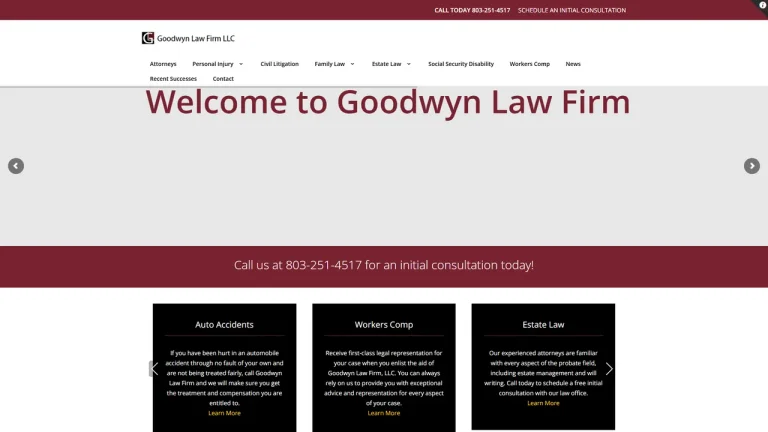
Goodwyn Law Firm, LLC - Columbia, SC

The Stanley Law Group - Columbia, SC
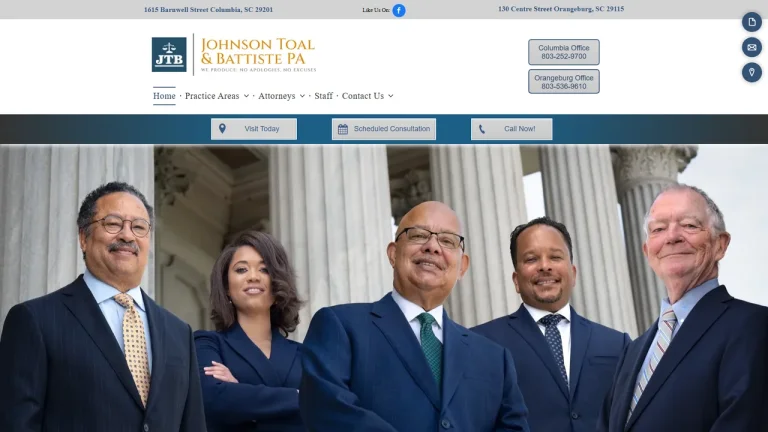
Johnson, Toal & Battiste, P.A. - Columbia, SC

The Law Office of Eddye L. Lane, P.A. - Columbia, SC
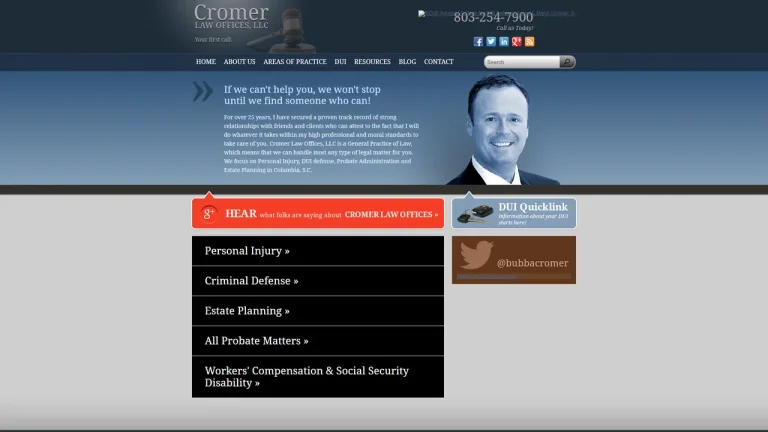
Cromer Law Offices, LLC - Columbia, SC

Bluestein Attorneys - Columbia, SC

Hewett Diamaduros Law Firm - Columbia, SC

Woron & Dhillon - Columbia, SC

Williams Law Firm, LLC - Columbia, SC

PMK Law - Columbia, SC

The Paraclete Law Center, LLC - Columbia, SC
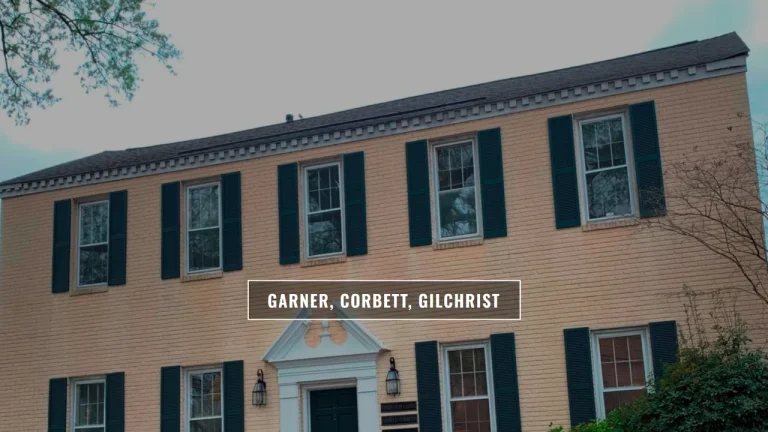
Garner, Corbett and Gilchrist - Columbia, SC

Estate Administration and Probate Court Venues in Columbia
Probate administration in Columbia involves the legal process of authenticating a decedent's will, identifying and valuing assets, satisfying creditor obligations, and distributing remaining property to rightful beneficiaries. All probate actions originating in Columbia and unincorporated areas of Richland County are under the exclusive jurisdiction of the Richland County Probate Court, located inside the Richland County Judicial Center at 1701 Main Street in Downtown Columbia. Estates for decedents residing in suburban communities across the Saluda and Broad rivers are administered by the Lexington County Probate Court in Lexington.
Under the South Carolina Probate Code, the court appoints a personal representative (executor or administrator) to manage the estate under fiduciary standards. Personal representatives must coordinate estate administration for residential real estate in neighborhoods like Forest Acres, Shandon, Arcadia Lakes, and Rosewood, alongside commercial holdings throughout the Midlands. Estate assets must be protected, appraisals conducted, and creditor claims verified before distributions occur.
When disputes arise regarding testamentary capacity, undue influence, or personal representative removal, cases are litigated through formal testacy proceedings before a probate judge. Retaining a dedicated Columbia probate lawyer ensures that personal representatives fulfill their statutory duties, avoid personal surcharge liability, and conclude estate administration efficiently.
Typical Fee Structures for Columbia Probate Proceedings
| Case Scenario | Fee Structure | Estimated Cost (USD) | Key Cost Determinants |
|---|---|---|---|
| Small Estate Summary Administration (Under $25,000) | Flat Fee | $750 - $1,800 | Statutory 30-day waiting period, death certificate review, funeral reimbursement priority |
| Standard Formal or Informal Probate Administration | Flat Fee / Hourly ($275 - $450/hr) | $2,500 - $6,000 | Inventory filing, newspaper creditor notices, accounting preparation, deed of distribution |
| Contested Will Caveat / Undue Influence Litigation | Retainer + Hourly | $7,500 - $25,000+ | Medical record subpoenas, expert capacity witness testimony, Richland County Probate trial |
| Spousal Elective Share & Omitted Child Petitions | Retainer / Hourly | $3,500 - $10,000 | Probate estate valuation, augmented estate calculations, contested evidentiary hearings |
Critical Legal Deadlines & Statutes in South Carolina
Estate administration in South Carolina requires strict adherence to statutory deadlines set by the South Carolina Probate Code. Once appointed, a personal representative must prepare and file an Inventory and Appraisement with the Richland County Probate Court within 90 days pursuant to S.C. Code Ann. § 62-3-706, detailing all probate assets and fair market values as of the date of death.
Notifying creditors and barring untimely claims follows rigorous statutory procedures. Under S.C. Code Ann. § 62-3-801 and S.C. Code Ann. § 62-3-803, the personal representative must publish a notice to creditors once a week for three consecutive weeks in a newspaper of general circulation in Richland County. Creditors have eight months from the date of first publication (or 60 days from receiving direct written notice) to present claims. If no notice is published, claims are barred after one year from the decedent's death. Surviving spouses seeking an elective share must file within the later of eight months after death or six months after probate under S.C. Code Ann. § 62-2-205. Summary administration for small estates valued at $25,000 or less is governed by S.C. Code Ann. § 62-3-1201.
Small Claims Court vs. Richland County Probate Court Jurisdiction
In South Carolina, Magistrate Courts resolve small civil claims up to $7,500 under S.C. Code Ann. § 22-3-10. However, magistrates have no legal authority over estate administration, will probate, or fiduciary disputes. Under S.C. Code Ann. § 62-1-302, the South Carolina Probate Court maintains exclusive subject matter jurisdiction over decedents' estates.
Attempting to navigate probate administration pro se creates substantial legal and financial exposure for personal representatives. Personal representatives owe a fiduciary duty to creditors and heirs. Distributing estate funds before creditor claim periods expire or failing to properly execute and record a Deed of Distribution with the Richland County Register of Deeds can result in personal financial surcharge orders against the fiduciary. Retaining an experienced Columbia probate attorney ensures all filings are accurate, statutory notices are served, and the estate is closed cleanly under court approval.
Red Flags When Hiring a Columbia Probate Lawyer
- Lawyers who charge arbitrary percentage-based fees on the gross value of the estate rather than billing transparent hourly rates or flat fees.
- Attorneys who fail to publish required creditor notices in a qualifying Richland County newspaper, leaving the estate exposed to late creditor claims.
- Firms that fail to file the mandatory Inventory and Appraisement within the 90-day statutory window with the probate court.
- Practitioners who do not have experience litigating contested will caveats or fiduciary removal actions in the Richland County Probate Court.
Frequently Asked Questions
Where is probate filed in Columbia, South Carolina?
For residents of Columbia residing in Richland County, probate is filed at the Richland County Probate Court on the fourth floor of the Judicial Center at 1701 Main Street. If the decedent resided in the Lexington County portion of the Columbia area, filings are made at the Lexington County Probate Court.
What is the small estate limit for probate in South Carolina?
Under South Carolina statute, if the total value of the decedent's probate personal property, less liens and encumbrances, is $25,000 or less, the estate qualifies for summary administration via a Small Estate Affidavit after a mandatory 30-day waiting period, avoiding formal probate.
How long does the probate process take in Richland County?
An uncontested estate in South Carolina typically takes between eight months and one year to complete. This timeline is driven by the mandatory eight-month creditor claim period that must expire before final accountings and distributions can be approved by the probate court.
What is a Deed of Distribution in South Carolina?
A Deed of Distribution is an official legal instrument executed by the personal representative to convey real estate from the decedent's estate to the rightful beneficiaries. It must be formally recorded with the Richland County Register of Deeds to establish clear title.
Can a personal representative be held personally liable for estate mistakes?
Yes. Personal representatives owe a strict fiduciary duty under South Carolina law. If an executor distributes funds to heirs before paying valid creditor claims, mismanages estate assets, or breaches their fiduciary duty, the probate court can order them personally liable to reimburse the estate.